Wildlife Conservation Projects Uganda Supporting Endangered Species and Responsible Tourism
Uganda is one of Africa’s most remarkable destinations for travelers who want to experience wildlife while understanding the importance of conservation.
Beyond breathtaking landscapes and unforgettable animal encounters, the country is home to some of the most important wildlife conservation projects in Africa.
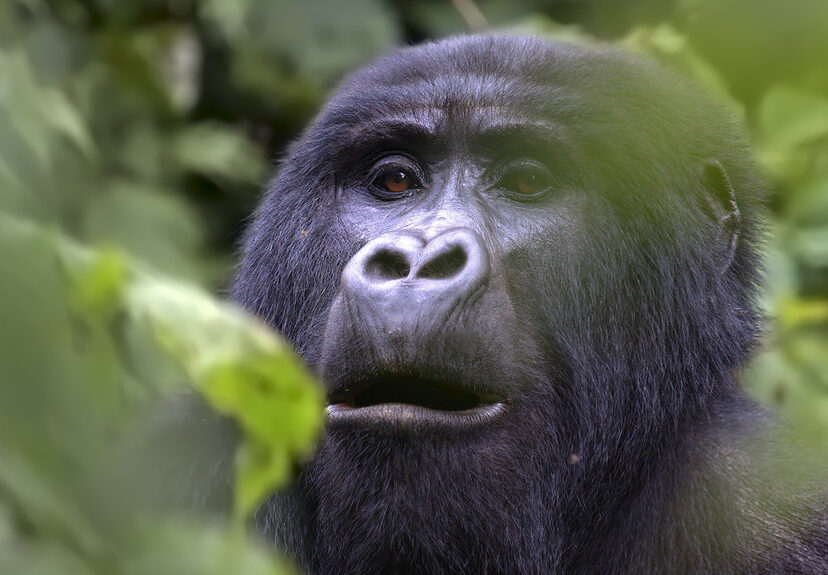
From protecting endangered mountain gorillas in Bwindi Impenetrable National Park to preserving chimpanzee habitats in Kibale Forest National Park, conservation efforts across Uganda are helping protect species that are valuable to the entire world.
For international travelers, visiting Uganda is not only about seeing wildlife.
It is about becoming connected to conservation.
A traveler watching a young gorilla play beneath the rainforest canopy is witnessing the result of years of protection efforts.
A visitor listening to chimpanzees communicate through the trees of Kibale Forest is experiencing a habitat that has been carefully protected.
These moments are possible because of collaboration between:
- Conservation organizations.
- Government agencies.
- Researchers.
- Local communities.
- Responsible travelers.
This is why Wildlife Conservation Projects Uganda are so important.
They create a future where wildlife, forests, and communities can continue to thrive together.
With Chimps and Gorillas, travelers experience these conservation stories firsthand through carefully planned gorilla and chimpanzee safaris.
Understanding Wildlife Conservation in Uganda
Wildlife conservation is the protection and management of animals, plants, and ecosystems to ensure they survive for future generations.
In Uganda, conservation focuses on protecting:
- Mountain gorillas.
- Chimpanzees.
- Elephants.
- Lions.
- Rhinos.
- Forest ecosystems.
- Wetlands.
- Bird species.
Uganda’s biodiversity makes it one of Africa’s most important conservation destinations.
The country contains diverse environments including:
- Tropical rainforests.
- Savannah plains.
- Mountains.
- Lakes.
- Wetlands.
Each ecosystem supports unique wildlife.
Protecting these areas requires long-term commitment.
Conservation is not a single activity.
It involves research, habitat protection, community involvement, education, and responsible tourism.
Gorilla Conservation Projects in Uganda
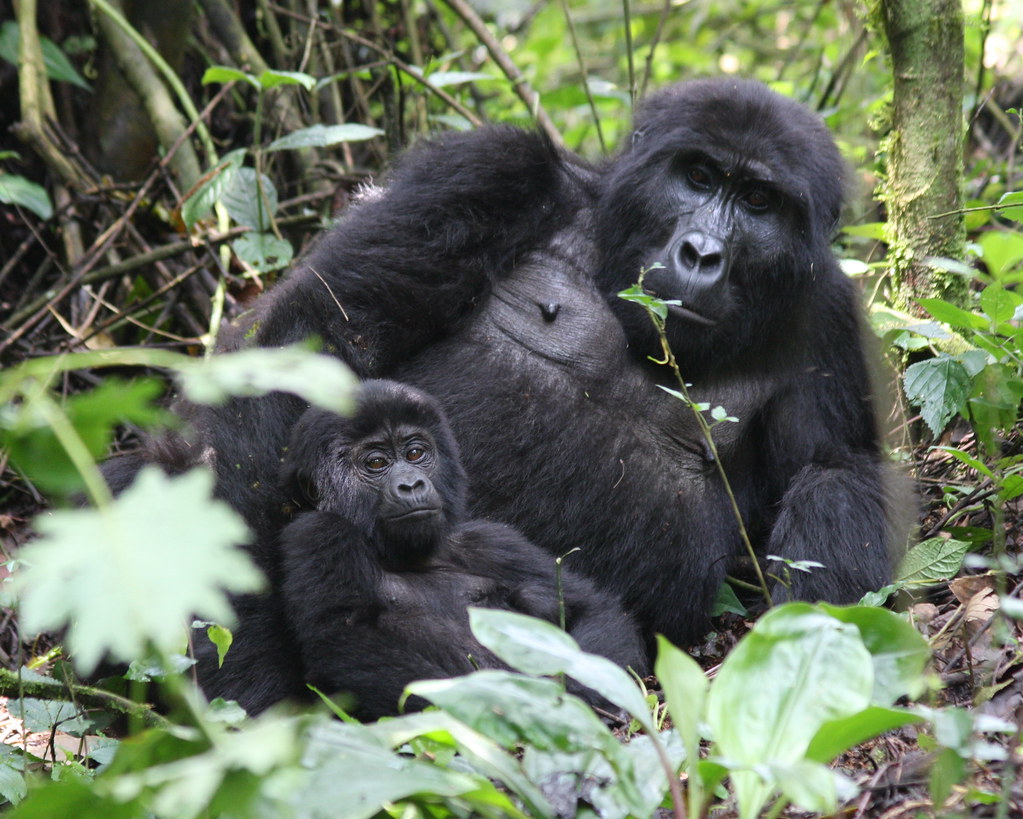
Mountain gorillas are among the most famous conservation success stories in Africa.
Uganda’s Bwindi Impenetrable National Park protects a significant population of these endangered primates.
The forest is ancient.
The trees are enormous.
The landscape is covered in mist and green vegetation.
Deep inside this rainforest, gorilla families continue their daily lives.
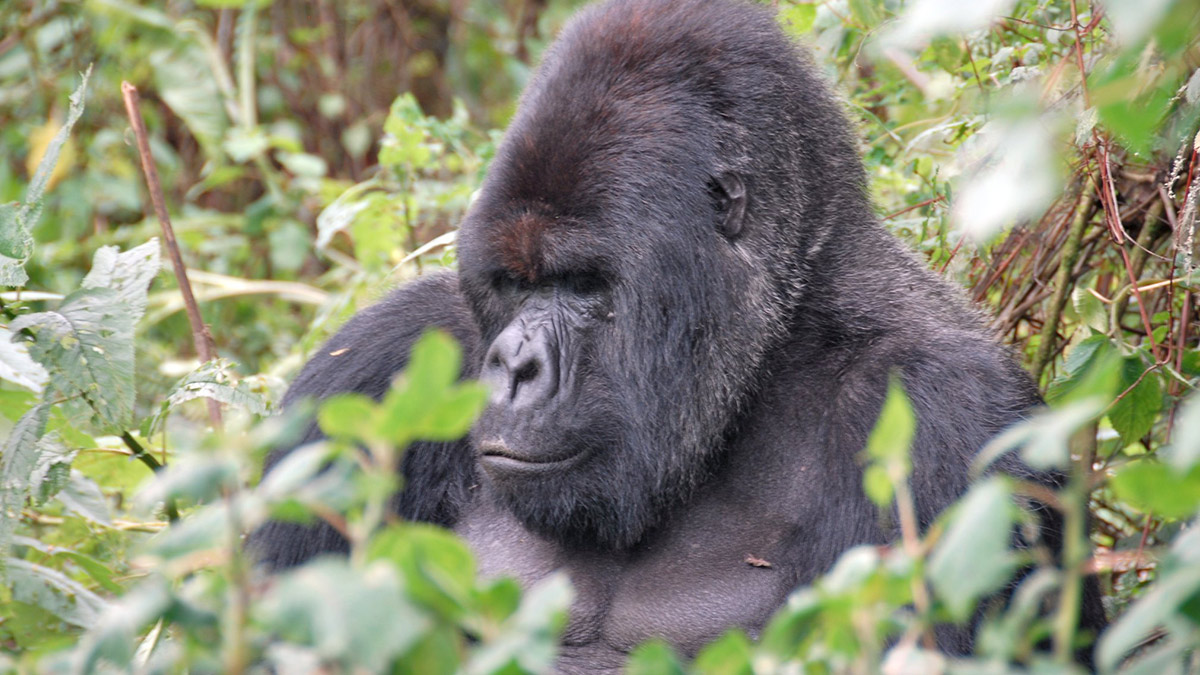
A silverback watches over his family.
Young gorillas explore their surroundings.
Mothers carefully care for their infants.
However, protecting these animals requires constant effort.
Gorilla conservation projects focus on:
- Monitoring gorilla families.
- Protecting forest habitats.
- Supporting veterinary care.
- Training conservation teams.
- Educating communities.
- Managing responsible tourism.
The work of organizations such as the International Gorilla Conservation Programme has played an important role in supporting mountain gorilla protection.
These programs demonstrate how conservation partnerships can create lasting results.
The Role of Uganda Wildlife Authority in Conservation
The Uganda Wildlife Authority (UWA) plays a central role in protecting Uganda’s national parks and wildlife resources.
Its responsibilities include:
- Managing protected areas.
- Protecting endangered species.
- Supporting wildlife research.
- Managing tourism activities.
- Training conservation staff.
National parks such as Bwindi Impenetrable National Park and Kibale Forest National Park depend on effective management.
When travelers visit these destinations responsibly, they support systems that protect wildlife.
A gorilla trekking permit, park visit, or conservation-focused safari contributes to maintaining these protected areas.
Chimpanzee Conservation Projects in Uganda
Uganda is also one of Africa’s best destinations for chimpanzee conservation.
Kibale Forest National Park is often called the “Primate Capital of the World” because of its incredible diversity of primates.
The forest protects large chimpanzee populations.
Walking through Kibale creates an unforgettable experience.
The forest feels alive.
Birds move through the canopy.
Leaves shake above the trail.
Then the sound begins.
Chimpanzee calls echo through the trees.
The group communicates across the forest.
Soon, you see them.
A chimpanzee moves confidently through branches.
Another rests nearby.
Young chimpanzees play and learn from adults.
These encounters reveal the intelligence and social complexity of these incredible animals.
Chimpanzee conservation projects focus on:
- Protecting forest habitats.
- Researching chimpanzee behavior.
- Reducing habitat loss.
- Supporting communities.
- Promoting responsible tourism.
The protection of chimpanzees also protects countless other species that depend on the same forest ecosystem.
Forest Conservation and Habitat Protection
Wildlife cannot survive without healthy habitats.
Protecting animals means protecting the environments they depend on.
Uganda’s forests provide:
- Food.
- Shelter.
- Breeding areas.
- Clean water.
- Climate regulation.
Forest conservation projects work to maintain these important ecosystems.
Examples include:
- Protecting rainforest areas.
- Restoring degraded habitats.
- Promoting sustainable community practices.
- Reducing illegal activities.
The UNESCO World Heritage Centre recognizes the global importance of protected natural areas and their role in preserving biodiversity.
Conservation and Local Communities
Successful conservation depends on people.
Communities living near wildlife areas are important partners.
Conservation projects create opportunities through:
- Employment.
- Tourism services.
- Education programs.
- Community initiatives.
A local guide explaining gorilla behavior.
A community member operating a lodge.
A family producing traditional crafts.
These activities show how conservation can improve lives.
When communities benefit from protecting wildlife, conservation becomes a shared responsibility.
This relationship is one of the strongest foundations of Wildlife Conservation Projects Uganda.
How Travelers Support Conservation Through Safaris
International travelers play an important role in Uganda’s conservation story.
A responsible safari supports conservation through:
- Park fees.
- Gorilla permits.
- Local employment.
- Community tourism.
- Conservation awareness.
A traveler’s visit creates economic value for protecting nature.
Instead of wildlife disappearing because forests have little economic value, conservation tourism creates reasons to preserve them.
This is why choosing a responsible safari company matters.
Chimps and Gorillas creates experiences that connect travelers with wildlife while respecting conservation principles.
Guests frequently highlight in Chimps and Gorillas Reviews:
- Professional guides.
- Smooth organization.
- Personalized service.
- Memorable wildlife experiences.
Major Wildlife Conservation Projects Uganda Protecting Endangered Species
Uganda’s conservation story is built on cooperation.
Across the country, different Wildlife Conservation Projects Uganda initiatives are working to protect endangered species, restore habitats, and create a future where people and wildlife can coexist.
For international travelers, these conservation efforts add deeper meaning to a safari.
A visitor does not only travel to see animals.
They travel to understand the work behind protecting them.
When you observe a mountain gorilla in Bwindi, a chimpanzee in Kibale, or a rhino at Ziwa Rhino Sanctuary, you are witnessing the results of long-term conservation commitments.
Every protected animal represents years of research, dedication, and collaboration.
Mountain Gorilla Conservation Programs in Bwindi and Mgahinga
Uganda’s mountain gorilla conservation programs are among the most recognized wildlife protection efforts in Africa.
The forests of southwestern Uganda provide a safe home for endangered mountain gorillas.
The two major gorilla conservation destinations are:
- Bwindi Impenetrable National Park.
- Mgahinga Gorilla National Park.
These protected areas are managed to maintain healthy gorilla populations while allowing carefully controlled tourism.
The success of gorilla conservation has depended on several important actions.
Gorilla Monitoring and Research
Conservation teams monitor gorilla families every day.
Researchers study:
- Gorilla health.
- Social behavior.
- Family relationships.
- Movement patterns.
- Habitat conditions.
This information helps conservation teams make better decisions.
For example, if a gorilla shows signs of illness, trained specialists can respond quickly.
This close monitoring has helped improve the survival of mountain gorillas.
Veterinary Support
Mountain gorillas can be affected by diseases, especially because they share some biological similarities with humans.
Veterinary teams support conservation by:
- Checking gorilla health.
- Treating injuries.
- Monitoring disease risks.
- Advising on protection measures.
Organizations such as the Dian Fossey Gorilla Fund have contributed greatly to gorilla research and conservation education.
Their work demonstrates how science and tourism can combine to protect endangered wildlife.
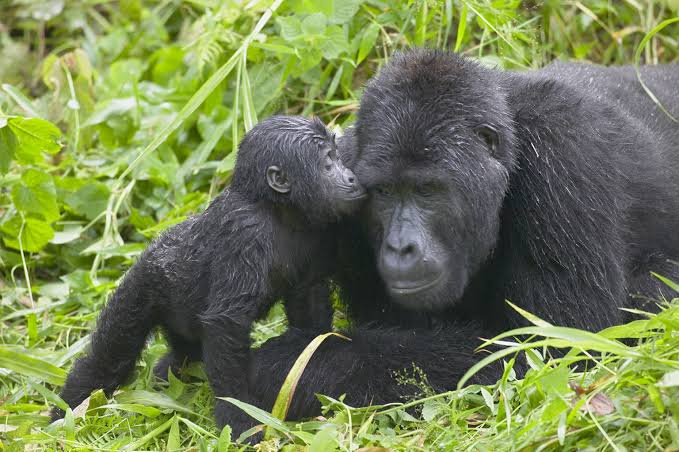
The Role of Gorilla Trekking in Conservation Success
Gorilla trekking has become one of Uganda’s most important conservation activities.
Unlike traditional wildlife viewing, gorilla trekking creates a personal connection between travelers and endangered animals.
A visitor walks through the rainforest.
They follow the footsteps of expert trackers.
They listen carefully for movement in the trees.
Then suddenly, the forest reveals one of its greatest treasures.
A gorilla family appears.
The silverback sits calmly.
The young gorillas explore nearby branches.
The mother gently cares for her baby.
The experience creates an emotional connection that often changes how travelers view conservation.
Many visitors return home with a stronger commitment to protecting wildlife.
This emotional connection is one of the greatest benefits of responsible tourism.
Rhino Conservation at Ziwa Rhino Sanctuary
Uganda’s conservation achievements extend beyond gorillas and chimpanzees.
The country has also invested in protecting other endangered species, including rhinoceroses.
The Ziwa Rhino Sanctuary is one of Uganda’s most important wildlife restoration projects.
The sanctuary was created to reintroduce rhinos to Uganda after they disappeared from the wild due to historical threats.
Conservation activities at the sanctuary include:
- Rhino breeding programs.
- Wildlife monitoring.
- Habitat protection.
- Conservation education.
Visitors can experience rhino tracking while learning about restoration efforts.
Walking through the sanctuary creates a completely different wildlife experience.
Instead of viewing rhinos from a vehicle, travelers walk with trained guides while learning about their behavior and conservation history.
A large rhino moving quietly through the grass creates a powerful reminder of why conservation matters.
The journey is not just about seeing an animal.
It is about understanding the effort required to bring species back from the edge of extinction.
Anti-Poaching and Wildlife Protection Projects
One of the biggest challenges facing wildlife conservation worldwide is illegal wildlife activity.
Uganda’s conservation teams work continuously to protect animals and their habitats.
Anti-poaching efforts involve:
- Ranger patrols.
- Wildlife monitoring.
- Community awareness.
- Law enforcement support.
- Technology-based tracking.
Rangers often work in difficult conditions.
They patrol forests and protected areas to ensure wildlife remains safe.
Their work protects not only individual animals but entire ecosystems.
A traveler seeing elephants, gorillas, or chimpanzees in Uganda’s protected areas is experiencing the result of these ongoing protection efforts.
Community Conservation Projects in Uganda
Successful conservation cannot happen without local communities.
Many Wildlife Conservation Projects Uganda initiatives focus on creating positive relationships between people and nature.
Communities near national parks often experience challenges connected to wildlife conservation.
These may include:
- Human-wildlife conflict.
- Limited economic opportunities.
- Pressure on natural resources.
Conservation projects help address these challenges through:
- Tourism employment.
- Education programs.
- Sustainable businesses.
- Community partnerships.
For example, local people may work as:
- Safari guides.
- Lodge employees.
- Conservation educators.
- Cultural tourism providers.
- Craft producers.
These opportunities create a connection between protecting wildlife and improving livelihoods.
When communities benefit from conservation, they become important guardians of natural areas.
The Batwa Cultural Experience and Conservation Awareness
The forests of southwestern Uganda have a deep cultural history.
The Batwa people have traditional connections with forest environments.
Responsible cultural tourism allows travelers to learn about:
- Traditional knowledge.
- Forest relationships.
- Cultural heritage.
- Conservation challenges.
These experiences should always be approached respectfully.
Cultural tourism is not only about observation.
It is about listening, learning, and appreciating different perspectives.
By supporting respectful community experiences, travelers contribute to broader conservation efforts.
Wetland and Bird Conservation Projects
Uganda’s conservation efforts also protect wetlands and bird habitats.
Wetlands are essential ecosystems because they provide:
- Clean water.
- Flood control.
- Wildlife habitats.
- Breeding areas for birds.
Community conservation projects around wetlands help protect these important environments.
Visitors can experience these areas through:
- Nature walks.
- Bird watching.
- Community tours.
A quiet morning in a Ugandan wetland reveals another side of conservation.
The sound of birds.
The movement of water.
The beauty of untouched landscapes.
These experiences remind travelers that conservation includes every part of nature.
Wildlife Research and Conservation Education
Research is one of the foundations of successful conservation.
Scientists study wildlife to understand:
- Population changes.
- Animal behavior.
- Habitat requirements.
- Conservation challenges.
Education is equally important.
Conservation programs teach:
- Local communities.
- Students.
- Visitors.
- Future conservation leaders.
Tourism provides an opportunity for education because travelers experience conservation directly.
A visitor who learns about wildlife protection becomes more aware of global conservation challenges.
Responsible Tourism and Conservation Choices
Travelers have an important role in supporting conservation.
Simple choices can create positive impacts.
Responsible travelers should:
- Choose ethical safari operators.
- Respect wildlife guidelines.
- Avoid harmful activities.
- Support local businesses.
- Reduce waste.
- Follow conservation rules.
Choosing a company like Chimps and Gorillas allows travelers to experience wildlife while supporting responsible tourism practices.
The company focuses on creating experiences that combine:
- Wildlife viewing.
- Conservation awareness.
- Community interaction.
- Professional guiding.
Conservation Experiences with Chimps and Gorillas
A conservation-focused safari is about more than reaching destinations.
It is about understanding the stories behind them.
With Chimps and Gorillas, travelers can experience:
Gorilla Conservation Experiences
Including:
- Gorilla trekking.
- Gorilla habituation experiences.
- Conservation education.
- Forest exploration.
Chimpanzee Conservation Experiences
Including:
- Chimpanzee tracking.
- Kibale Forest exploration.
- Primate education.
- Community experiences.
Wildlife Conservation Safaris
Combining:
- National parks.
- Wildlife viewing.
- Cultural activities.
- Conservation projects.
Many travelers mention in Chimps and Gorillas Reviews that the company provides excellent organization, knowledgeable guides, and meaningful wildlife experiences.
Planning Your Conservation Safari in Uganda
International travelers should consider several factors when planning a conservation-focused safari.
Book Early
Gorilla permits are limited, especially during popular travel seasons.
Booking early helps secure:
- Preferred trekking dates.
- Accommodation choices.
- Transportation arrangements.
Choose the Right Safari Duration
A conservation safari is best enjoyed without rushing.
Many travelers choose 7–12 day itineraries combining:
- Chimpanzee tracking.
- Gorilla trekking.
- Wildlife safaris.
- Community visits.
Travel with Conservation in Mind
The best safari experiences create memories while protecting nature.
Responsible travel choices help ensure future generations can experience Uganda’s wildlife.
Why Wildlife Conservation Projects Uganda Matter for the Future
Uganda’s conservation projects represent hope.
They show that endangered species can survive when people work together.
The protection of gorillas.
The recovery of rhinos.
The preservation of chimpanzee habitats.
The involvement of communities.
All demonstrate the power of conservation.
For travelers, these projects transform a holiday into a meaningful journey.
You are not only visiting Uganda.
You are becoming part of a conservation story.
12-Day Wildlife Conservation Projects Uganda Safari Itinerary with Chimps and Gorillas
A conservation safari in Uganda offers travelers the opportunity to experience wildlife while understanding the protection efforts that make these encounters possible.
This carefully designed Wildlife Conservation Projects Uganda itinerary combines Uganda’s most important conservation destinations, including gorilla habitats, chimpanzee forests, wildlife parks, and community conservation initiatives.
The journey is ideal for international travelers who want more than traditional sightseeing.
It is designed for visitors who want to discover:
- How Uganda protects endangered species.
- How communities contribute to conservation.
- How tourism supports wildlife projects.
- How forests and ecosystems are preserved.
The itinerary combines:
- Chimpanzee tracking in Kibale Forest National Park.
- Wildlife viewing in Queen Elizabeth National Park.
- Gorilla trekking in Bwindi Impenetrable National Park.
- Rhino conservation at Ziwa Rhino Sanctuary.
- Community conservation experiences.
- Cultural interactions.
Day 1: Arrival in Entebbe and Introduction to Uganda Conservation
Your conservation journey begins at Entebbe International Airport.
A Chimps and Gorillas representative welcomes you and transfers you to your hotel.
During your first evening, your guide introduces you to Uganda’s conservation story.
You learn how different projects protect:
- Mountain gorillas.
- Chimpanzees.
- Rhinos.
- Forest ecosystems.
- Local communities.
This introduction helps you understand that your safari is connected to a much larger mission.
Uganda’s wildlife survives because many people work together.
From rangers protecting forests to communities supporting conservation tourism, every person plays a role.
Depending on your arrival time, you may visit:
- Lake Victoria shoreline.
- Entebbe Botanical Gardens.
- Uganda Wildlife Education Centre.
These activities provide an introduction to Uganda’s natural environment.
Accommodation: Entebbe Hotel
Meals: Dinner
Day 2: Visit Ziwa Rhino Sanctuary and Continue to Murchison Falls Region
After breakfast, begin your journey toward northern Uganda.
Your first conservation experience takes you to Ziwa Rhino Sanctuary.
The sanctuary represents one of Uganda’s important wildlife restoration projects.
Here you learn about:
- Rhino conservation history.
- Breeding programs.
- Wildlife protection.
- Habitat restoration.
Walking through the sanctuary with trained guides creates an unforgettable experience.
Unlike traditional game drives, rhino tracking allows you to understand these animals closely.
You observe their behavior while learning about the challenges involved in restoring endangered species.
After the experience, continue toward your accommodation.
The journey introduces you to Uganda’s landscapes, villages, and communities.
Driving time: Approximately 5–6 hours
Accommodation: Murchison Falls Lodge
Meals: Breakfast, Lunch, Dinner
Day 3: Murchison Falls Wildlife Conservation Experience
Begin the day with a sunrise game drive in Murchison Falls National Park.
The golden morning light creates a beautiful atmosphere across the savannah.
Wildlife becomes active.
You may encounter:
- Elephants moving through grasslands.
- Buffalo gathering in groups.
- Antelope grazing.
- Lions resting after the night.
Your guide explains how protected areas conserve wildlife populations.
The park protects one of Uganda’s most important ecosystems.
Later, enjoy a boat cruise on the Nile River.
This experience offers opportunities to see:
- Hippos resting in the water.
- Crocodiles along the banks.
- Birds feeding near wetlands.
- Animals coming to drink.
The river ecosystem demonstrates why conservation protects entire environments, not just individual species.
Accommodation: Murchison Falls Lodge
Meals: Breakfast, Lunch, Dinner
Day 4: Transfer to Kibale Forest National Park
After breakfast, continue south toward Kibale Forest.
The landscape changes from open savannah to lush forests.
Along the way, your guide explains Uganda’s conservation challenges and successes.
You learn how conservation projects protect habitats from:
- Deforestation.
- Habitat loss.
- Unsustainable resource use.
Arrive near Kibale Forest in the evening.
The sounds of the rainforest welcome you.
Bird calls fill the air.
The forest canopy creates a peaceful atmosphere.
Tomorrow you explore one of Africa’s most important chimpanzee habitats.
Driving time: Approximately 7–8 hours
Accommodation: Kibale Forest Lodge
Meals: Breakfast, Lunch, Dinner
Day 5: Chimpanzee Conservation Experience in Kibale Forest
Today you discover why Kibale is one of Uganda’s most important conservation areas.
After breakfast, travel to the park headquarters.
Rangers provide a briefing about:
- Chimpanzee behavior.
- Forest conservation.
- Responsible tracking.
- Visitor guidelines.
Then your forest adventure begins.
The trail takes you beneath towering trees.
The rainforest feels alive.
You hear insects.
You see colorful birds.
You follow signs of chimpanzee movement.
Then suddenly, the forest changes.
A loud chimpanzee call echoes through the trees.
Branches move above you.
A chimpanzee appears.
The encounter is unforgettable.
You observe their social relationships.
A mother caring for her young.
Adults communicating.
Young chimpanzees learning through play.
The experience shows why protecting forests is essential.
Chimpanzees depend on these habitats.
When forests are protected, countless other species benefit too.
In the afternoon, visit the Bigodi Wetland Sanctuary.
This community conservation project demonstrates how tourism supports local people while protecting nature.
Activities may include:
- Nature walks.
- Bird watching.
- Community interactions.
Accommodation: Kibale Forest Lodge
Meals: Breakfast, Lunch, Dinner
Day 6: Queen Elizabeth National Park Conservation Safari
After breakfast, transfer to Queen Elizabeth National Park.
This park demonstrates Uganda’s commitment to protecting diverse wildlife habitats.
The park supports:
- Elephants.
- Lions.
- Buffalo.
- Leopards.
- Hippos.
- Numerous bird species.
Enjoy an afternoon game drive.
Your guide explains conservation challenges and protection strategies.
You may witness unforgettable scenes:
An elephant family moving through the grasslands.
Buffalo standing together near water.
Birds flying above wetlands.
These moments show the importance of maintaining protected ecosystems.
Later, enjoy a boat cruise along the Kazinga Channel.
The peaceful journey reveals the relationship between wildlife and water ecosystems.
Accommodation: Queen Elizabeth Lodge
Meals: Breakfast, Lunch, Dinner
Day 7: Transfer to Bwindi Impenetrable National Park
Today you travel toward Uganda’s famous gorilla conservation destination.
The journey takes you through beautiful landscapes.
You pass:
- Hills.
- Forests.
- Villages.
- Agricultural areas.
Your guide explains how communities living near Bwindi participate in conservation.
Many people support wildlife protection through:
- Tourism employment.
- Cultural activities.
- Conservation programs.
As you approach Bwindi, the landscape becomes dramatic.
Mountain slopes covered in rainforest appear ahead.
This ancient forest is home to endangered mountain gorillas.
Accommodation: Bwindi Forest Lodge
Meals: Breakfast, Lunch, Dinner
Day 8: Gorilla Trekking and Gorilla Conservation Experience
Today is the highlight of your conservation safari.
After breakfast, travel to the park headquarters.
Before entering the forest, rangers explain:
- Gorilla conservation rules.
- Safety procedures.
- Responsible behavior.
- Wildlife protection.
Then your trek begins.
The forest surrounds you.
You walk through thick vegetation.
You follow trails created through the mountains.
Every step brings you closer to one of nature’s greatest experiences.
After searching, the trackers locate your gorilla family.
The atmosphere changes.
Everyone becomes quiet.
Then you see them.
A silverback rests beneath the trees.
His strength is obvious.
But his behavior is peaceful.
Nearby, young gorillas play.
A mother gently protects her baby.
The family moves naturally around you.
This moment represents the success of Wildlife Conservation Projects Uganda.
The rangers.
The researchers.
The communities.
The conservation supporters.
Everyone has contributed to making this experience possible.
Accommodation: Bwindi Forest Lodge
Meals: Breakfast, Packed Lunch, Dinner
Day 9: Gorilla Habituation or Conservation Learning Experience
For travelers seeking a deeper understanding, a gorilla habituation experience can be added.
This allows more time observing gorillas that are gradually becoming comfortable with human presence.
The experience provides insight into:
- Gorilla research.
- Conservation methods.
- Animal behavior.
- Protection challenges.
You spend more time learning how conservation teams study and protect gorilla populations.
This is ideal for travelers passionate about wildlife photography and conservation.
Accommodation: Bwindi Forest Lodge
Meals: Breakfast, Lunch, Dinner
Day 10: Community Conservation Experience Around Bwindi
Today focuses on the human side of conservation.
You visit community initiatives near Bwindi.
Possible experiences include:
- Cultural visits.
- Local craft demonstrations.
- Community walks.
- Conservation discussions.
You discover how tourism supports people living near wildlife areas.
A conservation safari becomes more meaningful when travelers understand the connection between communities and nature.
Protecting gorillas requires protecting the people who share these landscapes.
Accommodation: Bwindi Forest Lodge
Meals: Breakfast, Lunch, Dinner
Day 11: Return to Entebbe with Conservation Reflections
After breakfast, begin your journey back to Entebbe.
The drive provides time to reflect on your conservation experiences.
You have witnessed:
- Rhino restoration efforts.
- Chimpanzee protection.
- Forest conservation.
- Gorilla survival programs.
- Community tourism.
Optional stops may include:
- Equator crossing.
- Local craft markets.
- Scenic viewpoints.
Accommodation: Entebbe Hotel
Meals: Breakfast, Lunch, Dinner
Day 12: Departure from Uganda
After breakfast, transfer to Entebbe International Airport.
Your Wildlife Conservation Projects Uganda safari ends with unforgettable memories.
You leave with a deeper understanding of conservation.
You have seen how:
- Tourism supports wildlife.
- Communities protect nature.
- Conservation creates hope.
Meals: Breakfast
Practical Travel Information for a Conservation Safari in Uganda
Estimated Safari Costs
The cost depends on:
- Safari duration.
- Gorilla permit fees.
- Accommodation level.
- Transportation style.
- Number of travelers.
- Extra activities.
Chimps and Gorillas provides:
Budget Conservation Safaris
For travelers seeking affordable wildlife experiences.
Mid-Range Safaris
Offering comfortable accommodation and excellent services.
Luxury Conservation Journeys
Including premium lodges and private experiences.
Customized planning allows travelers to choose the best option.
Best Time for Wildlife Conservation Safaris
Uganda is a year-round destination.
June to September
Advantages:
- Drier trekking conditions.
- Comfortable hiking.
- Excellent wildlife viewing.
December to February
Advantages:
- Good weather.
- Ideal travel conditions.
- Great safari combinations.
The rainy seasons also provide:
- Beautiful green scenery.
- Fewer visitors.
- Excellent photography opportunities.
What to Pack
Recommended items include:
- Waterproof hiking boots.
- Rain jacket.
- Long trousers.
- Lightweight clothing.
- Camera.
- Binoculars.
- Reusable water bottle.
- Insect repellent.
- Small backpack.
Why Travel with Chimps and Gorillas?
Chimps and Gorillas creates conservation-focused journeys that combine wildlife experiences with responsible tourism.
Services include:
- Gorilla permit assistance.
- Chimpanzee tracking.
- Wildlife safaris.
- Community experiences.
- Professional guides.
- Personalized itineraries.
Many guests share positive Chimps and Gorillas Reviews, praising:
- Excellent organization.
- Knowledgeable guides.
- Smooth communication.
- Memorable wildlife encounters.
Conclusion: Why Wildlife Conservation Projects Uganda Matter More Than Ever
Uganda is one of the few places in the world where travelers can witness endangered mountain gorillas in their natural habitat, listen to wild chimpanzees calling through ancient forests, and watch elephants, lions, buffalo, and countless bird species thriving in protected ecosystems. These extraordinary experiences are not the result of chance. They are made possible through decades of dedication, scientific research, responsible tourism, and community participation.
The success of Wildlife Conservation Projects Uganda demonstrates that conservation works when governments, conservation organizations, local communities, researchers, and travelers work together toward a common goal. Every protected forest, every monitored gorilla family, and every restored wildlife habitat reflects years of commitment to preserving Uganda’s incredible biodiversity.
For international travelers, a conservation safari offers much more than memorable photographs. It provides an opportunity to understand how tourism directly supports wildlife protection. Gorilla permits help finance conservation programs, park entrance fees contribute to habitat management, and responsible tourism creates employment opportunities for communities living near protected areas. Every responsible visitor becomes part of this positive conservation story.
One of the most inspiring aspects of Uganda’s conservation journey is the recovery of species that once faced an uncertain future. Mountain gorilla populations have steadily increased through careful management, while rhino conservation programs continue working toward restoring populations in the wild. Chimpanzee conservation projects protect important rainforest ecosystems that benefit countless other species of plants and animals. These achievements demonstrate that sustainable conservation is possible when people value wildlife as a shared global heritage.
Traveling with Chimps and Gorillas allows visitors to experience Uganda responsibly while contributing to meaningful conservation efforts. Carefully designed itineraries combine unforgettable wildlife encounters with cultural experiences, conservation education, and comfortable accommodations, creating journeys that are both inspiring and impactful.
Whether you are planning your first safari or returning to Africa for another adventure, Uganda offers an opportunity to experience conservation in action. Every trek through Bwindi Impenetrable National Park, every walk through Kibale Forest, and every visit to community conservation initiatives helps protect the country’s remarkable wildlife for generations to come.
Your safari becomes more than a holiday.
It becomes an investment in wildlife conservation.
It becomes a contribution toward protecting endangered species.
It becomes part of Uganda’s remarkable conservation success story.
Frequently Asked Questions
What are the major wildlife conservation projects in Uganda?
Uganda supports numerous conservation initiatives, including mountain gorilla conservation in Bwindi Impenetrable National Park and Mgahinga Gorilla National Park, chimpanzee conservation in Kibale Forest National Park, rhino restoration at Ziwa Rhino Sanctuary, elephant and lion monitoring in Queen Elizabeth National Park, and community-based conservation programs throughout the country.
How does tourism support wildlife conservation in Uganda?
Responsible tourism generates funding through park entrance fees, gorilla permits, accommodation, and guided activities. This revenue supports ranger patrols, wildlife monitoring, habitat protection, scientific research, veterinary care, conservation education, and community development projects that reduce pressure on protected areas.
Can I combine gorilla trekking with chimpanzee tracking?
Yes. Many travelers choose to combine gorilla trekking in Bwindi Impenetrable National Park with chimpanzee tracking in Kibale Forest National Park. This combination creates one of Africa’s most rewarding primate safari experiences and allows visitors to learn about multiple conservation programs during one trip.
Which national parks are best for conservation-focused safaris?
The most popular conservation destinations include:
- Bwindi Impenetrable National Park
- Mgahinga Gorilla National Park
- Kibale Forest National Park
- Queen Elizabeth National Park
- Murchison Falls National Park
- Ziwa Rhino Sanctuary
Each destination highlights different aspects of Uganda’s conservation work.
What is the best time to visit Uganda for a conservation safari?
Uganda is a year-round destination. The drier months from June to September and December to February generally offer easier trekking conditions and excellent wildlife viewing. The rainy seasons provide lush landscapes, fewer visitors, and outstanding photography opportunities.
How difficult is gorilla trekking?
The difficulty varies depending on the location of the assigned gorilla family. Some treks last one to three hours, while others may take longer over steeper terrain. Rangers assign groups based on visitor fitness levels whenever possible, making the experience suitable for most travelers with moderate fitness.
What should I pack for a conservation safari?
Essential items include waterproof hiking boots, a rain jacket, long-sleeved shirts, long trousers, gardening gloves, a reusable water bottle, insect repellent, binoculars, a camera, extra batteries, sunscreen, and a small daypack.
Why choose Chimps and Gorillas?
Chimps and Gorillas specializes in tailor-made primate and wildlife safaris throughout Uganda. Services include gorilla permit reservations, chimpanzee tracking, accommodation bookings, private transportation, professional guides, and customized itineraries designed around responsible tourism and conservation.
Whether you dream of trekking with mountain gorillas, tracking wild chimpanzees, exploring Uganda’s spectacular national parks, or learning about inspiring conservation projects, Chimps and Gorillas is ready to help you plan an unforgettable safari.
Contact our safari specialists today to create a personalized itinerary that combines wildlife, conservation, culture, and adventure while supporting the long-term protection of Uganda’s extraordinary natural heritage.
Chimps and Gorillas Contact Information
Website:
https://www.chimpsandgorillas.com
Email:
info@chimpsandgorillas.com
WhatsApp:
+256 774 532 841