The Intelligence of Chimpanzees: Tool Use and Social Skills
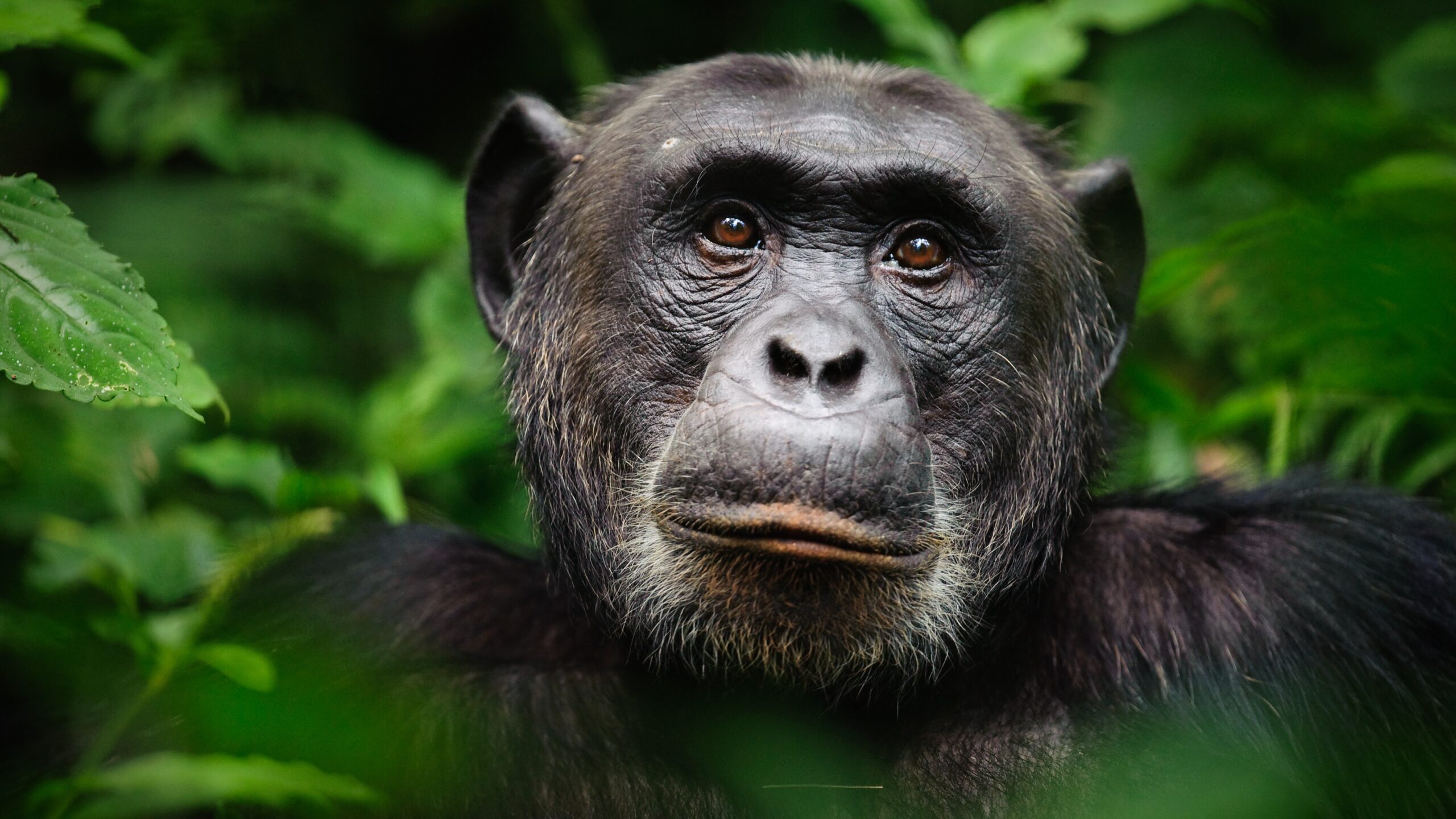
Chimpanzees are among the most intelligent and fascinating primates on the planet. Their cognitive abilities, social structures, and problem-solving skills continue to captivate scientists, conservationists, and wildlife enthusiasts alike. Observing these creatures in their natural habitats across Africa provides a unique glimpse into behaviors that are strikingly similar to humans, revealing lessons about intelligence, cooperation, and adaptability. Understanding chimpanzee cognition is not just an academic pursuit—it is also crucial for effective conservation and for fostering deeper connections between humans and the natural world.
Chimpanzee Cognition and Problem-Solving
Chimpanzees possess remarkable cognitive abilities that allow them to solve problems, remember complex information, and adapt to changing environments. In the wild, they demonstrate innovative thinking by using tools to access food, such as sticks to extract termites from mounds or leaves to collect water from tree hollows. These actions are not instinctive but learned behaviors, often passed down through generations, which reflects both memory and teaching within chimp communities. Researchers have observed that some groups develop unique techniques for similar tasks, a phenomenon akin to cultural variation, showing that intelligence in chimpanzees is both flexible and context-dependent.
Tool Use in the Wild
The use of tools among chimpanzees is a signature of their intelligence. Beyond foraging, they employ tools in creative ways, such as fashioning spears to hunt smaller animals or using rocks to crack nuts. Some chimpanzees even modify tools for specific purposes, demonstrating foresight and planning. These behaviors highlight problem-solving skills that are sophisticated and strategic, revealing that chimpanzee intelligence extends beyond simple trial-and-error learning. In parks like Kibale National Park and Loango National Park, observing these tool-use behaviors is both a scientific and awe-inspiring experience for visitors.
Social Structures and Communication
Chimpanzees live in complex social hierarchies known as fission-fusion societies, where group membership and interactions change dynamically. Within these communities, relationships are reinforced through grooming, play, and cooperative behaviors. Dominant males, often called alpha males, maintain order and mediate conflicts, while alliances and friendships form across individuals to navigate social challenges.
Communication among chimpanzees is multifaceted, involving vocalizations, facial expressions, and gestures. From alarm calls warning of predators to subtle hand gestures requesting food, their communication reflects high social intelligence and awareness of the group’s dynamics. Understanding these signals provides researchers and trekkers with insights into chimp emotional states, intentions, and relationships.
Learning and Culture
Chimpanzees display a form of culture, passing down knowledge and behaviors from one generation to the next. Young chimpanzees observe elders and practice learned skills repeatedly until mastery is achieved. This cultural transmission includes tool use, foraging techniques, and even social norms like conflict resolution. These behaviors show that chimpanzee intelligence is not only individual but also collective, shaped by group interactions and experiences.
Chimpanzees and Human Connections
Studying chimpanzees offers profound insights into the roots of human intelligence and social behavior. Their ability to use tools, solve problems, and navigate complex social networks mirrors the evolutionary origins of human cognition. Observing a chimpanzee family interact in the forest is not only a visual delight but also a reminder of the deep genetic and behavioral links between humans and our closest relatives.
Conservation Implications
Understanding chimpanzee intelligence also informs conservation strategies. Their complex social and cognitive needs mean that preserving habitats and minimizing human interference is critical. Protecting forests in Uganda, Gabon, and DR Congo ensures that chimpanzees can continue to develop, learn, and thrive in stable, secure environments. Conservation programs often incorporate behavioral enrichment to simulate challenges that stimulate problem-solving and maintain natural behaviors, reflecting the importance of cognition in their well-being.
Why Observing Chimpanzees Matters
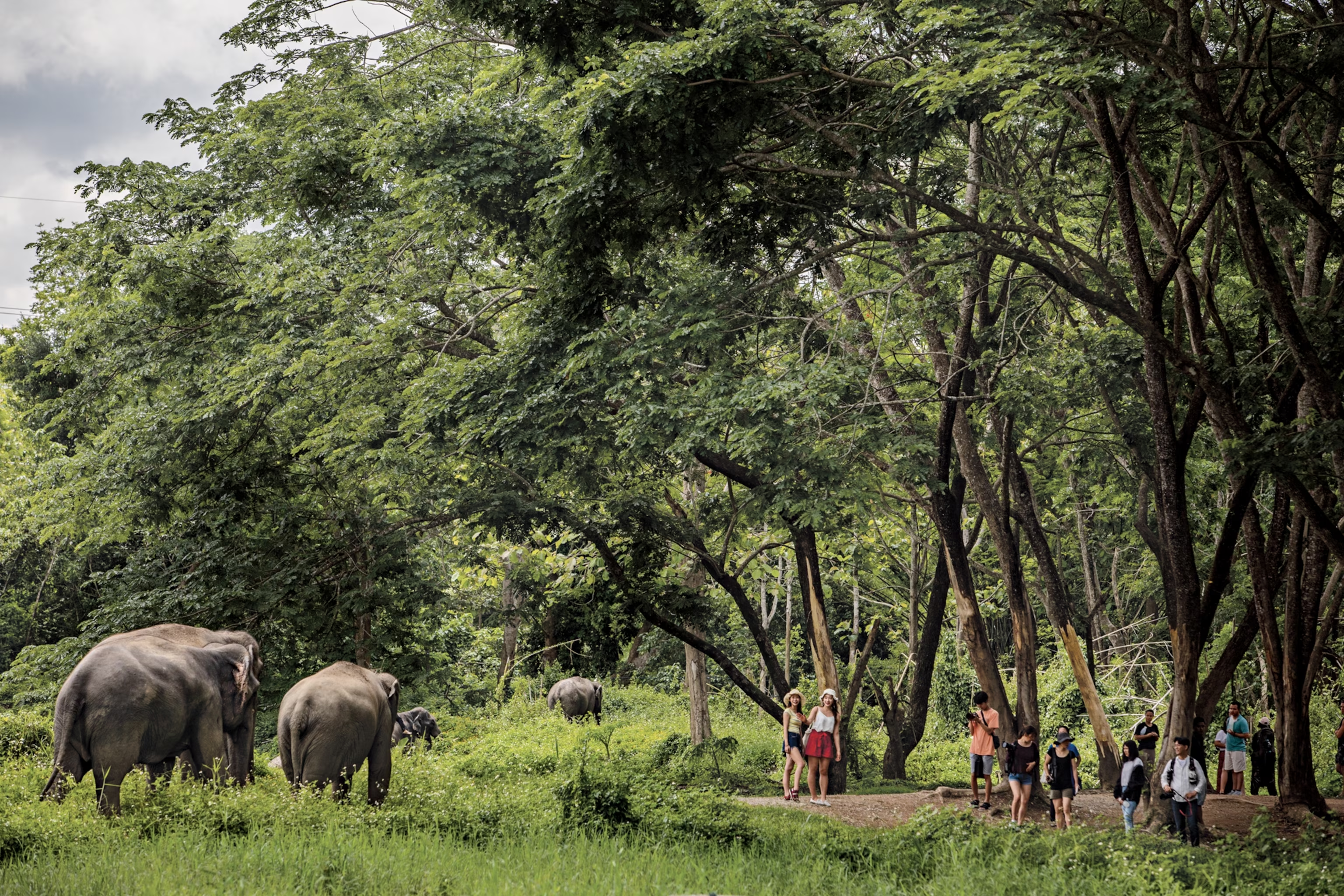
Watching chimpanzees in their natural habitats is more than a wildlife experience—it is an encounter with living intelligence. Every tool used, every gesture exchanged, and every social interaction provides lessons about adaptability, community, and survival. For travelers and researchers alike, witnessing these behaviors fosters appreciation, respect, and a commitment to conserving one of our planet’s most extraordinary species.
Chimpanzees are not just animals—they are intelligent, social beings with rich cultures, emotions, and problem-solving skills. Spending time observing them is an opportunity to marvel at the complexity of life and to remember the importance of protecting these remarkable creatures for generations to come.