Understanding Responsible Travel in Africa
Travel has the power to change lives.
It can introduce people to new cultures, protect endangered wildlife, and support communities.
However, the way we travel matters.
Responsible Travel in Africa means exploring the continent while making choices that protect nature, respect local communities, and support conservation efforts.
For wildlife travelers, this approach creates more meaningful experiences.
A safari is no longer only about taking photographs.
It becomes a chance to understand ecosystems, appreciate local cultures, and contribute to protecting some of the world’s most incredible animals.
At Chimps and Gorillas, responsible travel is at the heart of every safari experience.
The company creates journeys that allow visitors to experience Uganda and Rwanda’s forests while supporting wildlife conservation and community development.
Why Responsible Tourism Matters in Africa
Africa is home to some of the planet’s most remarkable wildlife.
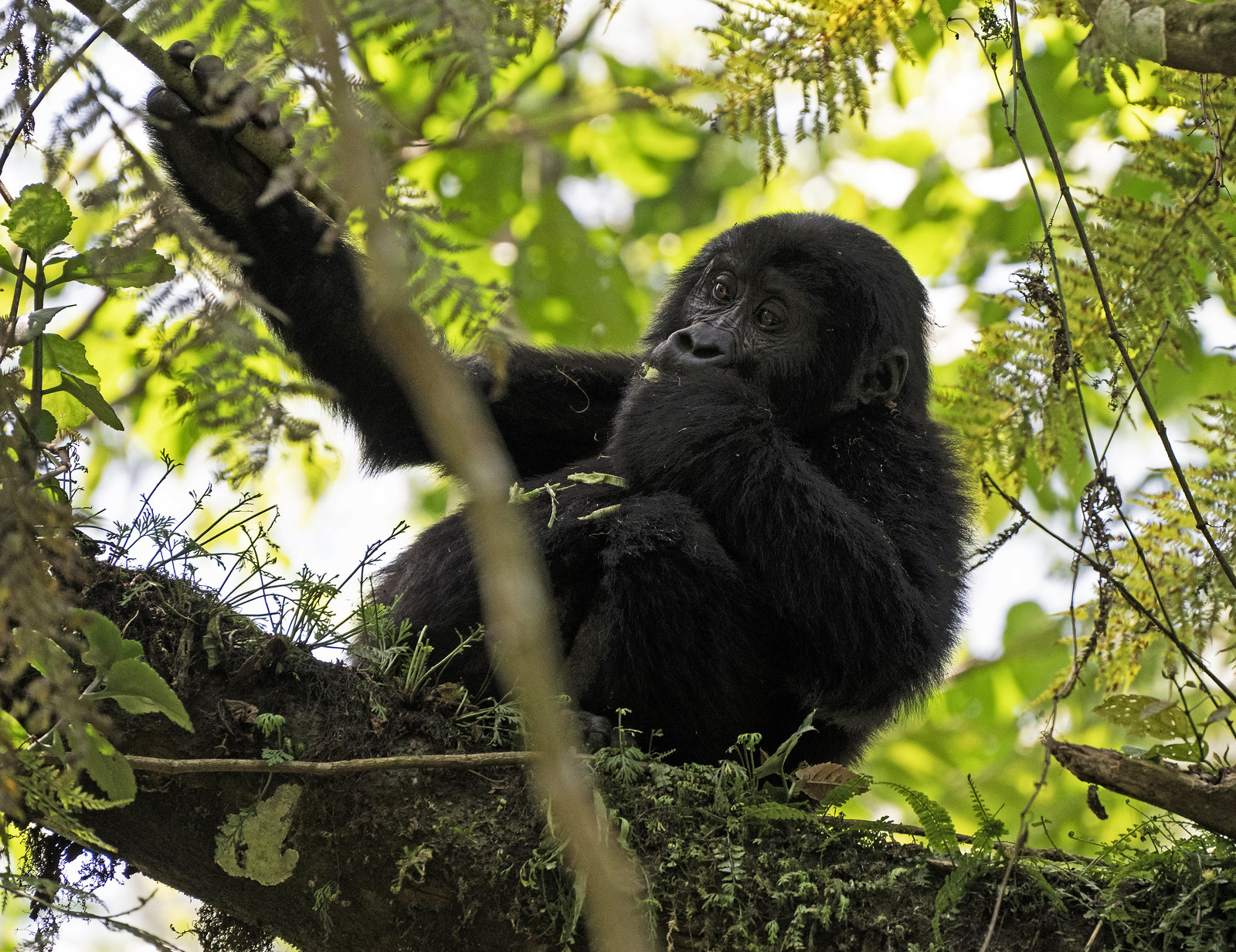
From mountain gorillas hidden in rainforest mountains to chimpanzees moving through ancient forests, the continent offers unforgettable encounters.
However, these ecosystems require protection.
Wildlife faces challenges including:
- Habitat loss.
- Climate change.
- Human-wildlife conflict.
- Illegal activities.
- Pressure from unsustainable development.
Responsible tourism provides an important solution.
When travelers choose ethical safari operators, their visits help fund conservation programs and create income opportunities for local communities.
Tourism becomes a partnership between visitors, wildlife, and people.
A Gorilla Encounter That Shows the Importance of Conservation
Imagine walking through the misty forests of Bwindi Impenetrable National Park.
The trail is surrounded by enormous trees.
Birds call from the canopy.
The forest feels ancient and untouched.
After hours of trekking, your guide quietly signals that gorillas are nearby.
The group slows down.
The excitement builds.
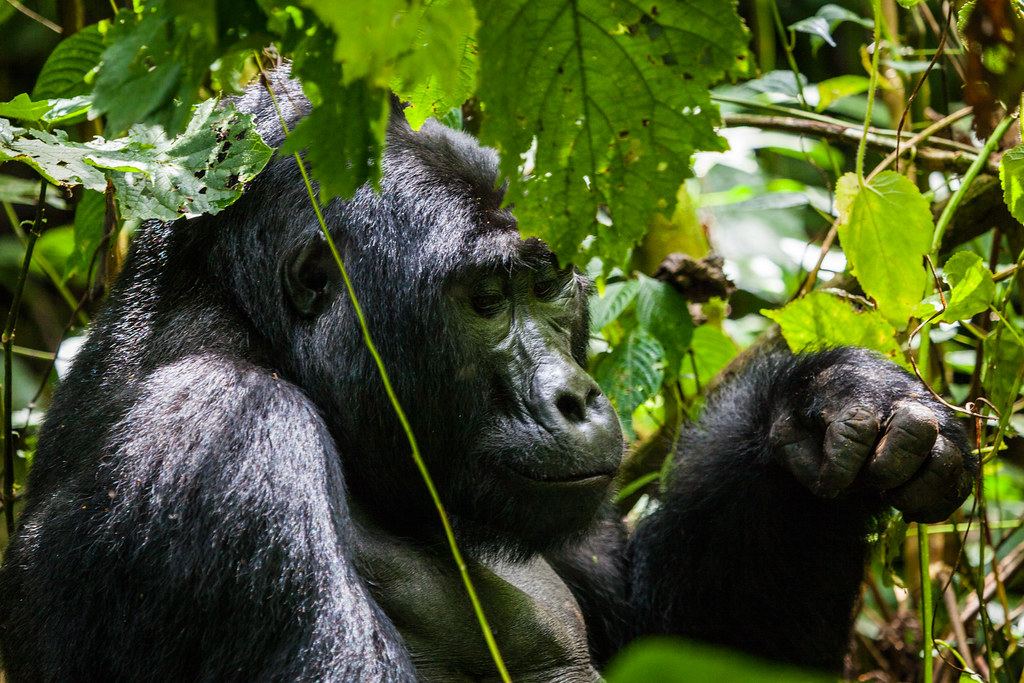
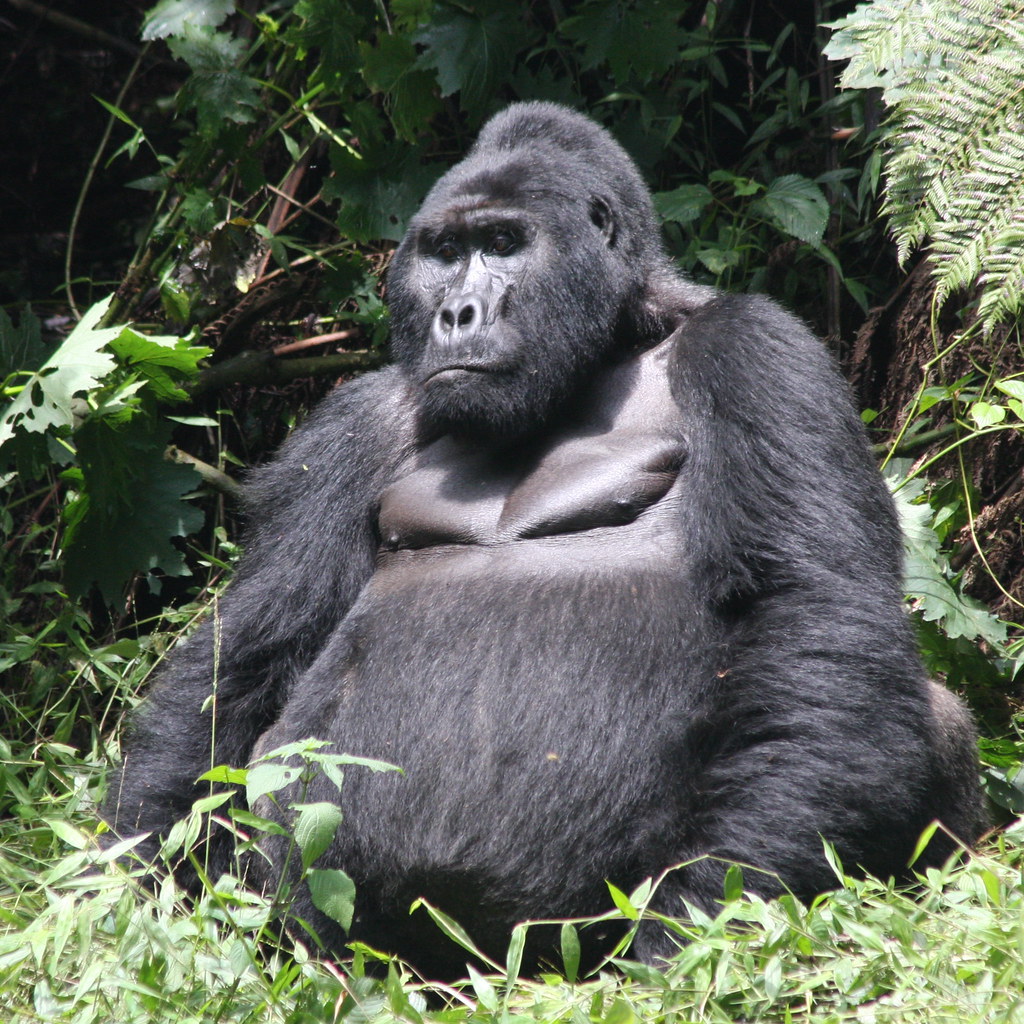
Then a silverback appears.
He sits peacefully beneath the trees.
His powerful body represents strength, but his gentle behavior reveals something deeper.
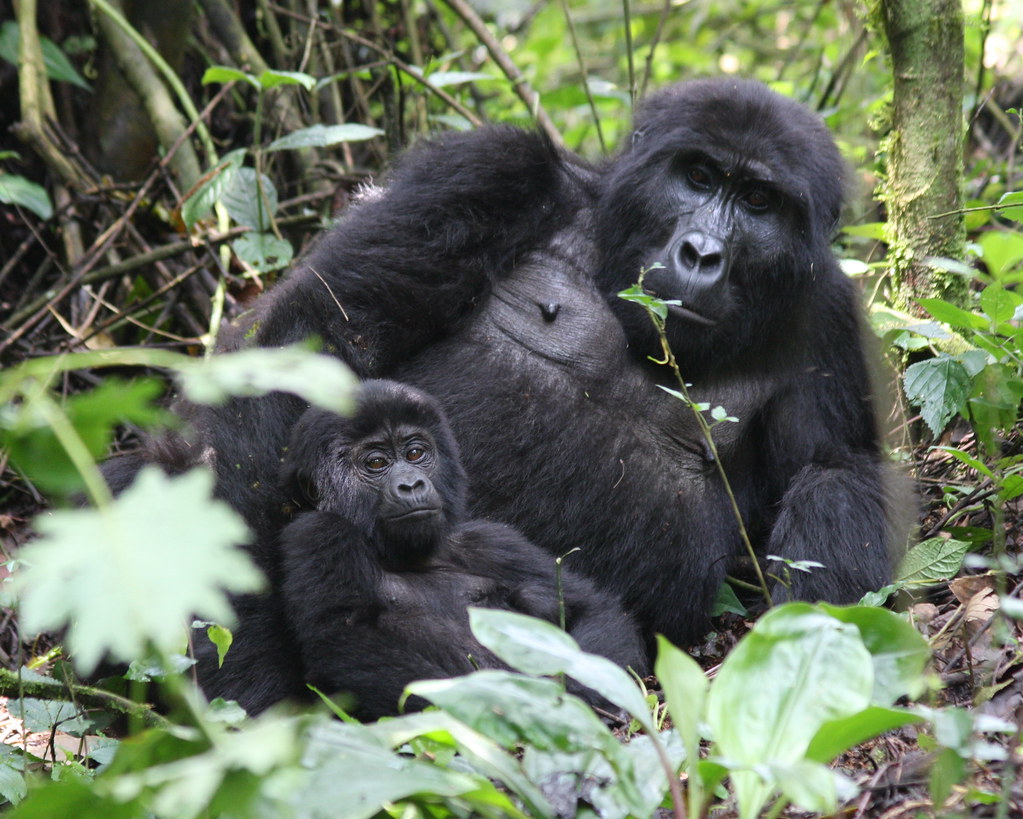
Nearby, a mother cares for her infant.
Young gorillas play around the forest floor.
The family moves naturally through its habitat.
This moment feels extraordinary because it is the result of years of conservation work.
The survival of mountain gorillas depends on protection, research, and responsible tourism.
Organizations such as the International Gorilla Conservation Programme support efforts to protect gorillas and their habitats.
Every responsible visitor contributes to this ongoing conservation story.
How Responsible Travel Protects Mountain Gorillas
Mountain gorilla tourism follows strict guidelines designed to protect both animals and visitors.
These rules include:
- Keeping a safe distance from gorillas.
- Limiting visitor numbers.
- Avoiding disturbance.
- Following ranger instructions.
- Respecting natural behavior.
These practices ensure gorillas remain healthy and comfortable around visitors.
The guidelines are managed through conservation authorities such as the Uganda Wildlife Authority (UWA).
Responsible gorilla trekking allows travelers to experience wildlife without harming the animals they came to admire.
Supporting Local Communities Through Tourism
Responsible Travel in Africa is not only about wildlife.
It is also about people.
Communities living near national parks play an important role in conservation.
When tourism creates employment and income opportunities, local people become important partners in protecting wildlife.
Safari tourism supports:
- Local guides.
- Rangers.
- Drivers.
- Lodge employees.
- Artisans.
- Community projects.
A traveler staying at a locally managed lodge or purchasing handmade crafts contributes directly to families and communities.
This connection creates a more meaningful journey.
Ethical Chimpanzee Experiences in Uganda
Chimpanzees provide another powerful example of responsible tourism.
Kibale Forest National Park is one of Africa’s best destinations for chimpanzee tracking.
Walking through the forest, travelers experience the incredible intelligence of these primates.
Chimpanzees communicate through sounds.
They form strong social groups.
They care for their young.
They display emotions and personalities.
A responsible chimpanzee experience allows visitors to observe these behaviors while minimizing impact on the animals.
The forest is their home.
Travelers are guests.
Choosing a Responsible Safari Company
The company you choose can influence the quality and impact of your journey.
A responsible safari operator should prioritize:
Conservation
The company should support wildlife protection and follow park regulations.
Local Employment
Guides and staff should come from surrounding communities whenever possible.
Ethical Wildlife Experiences
Animals should always be respected.
Transparent Planning
Travelers should receive honest information about costs, activities, and expectations.
Sustainable Practices
Accommodation and transport choices should consider environmental impact.
Chimps and Gorillas focuses on creating authentic wildlife experiences while supporting conservation and responsible tourism.
Guests frequently mention professionalism, communication, and personalized service in Chimps and Gorillas Reviews.
Responsible Travel Begins Before the Journey
Being a responsible traveler starts before arriving in Africa.
Preparation includes:
- Learning about local customs.
- Understanding conservation rules.
- Packing responsibly.
- Choosing ethical operators.
- Respecting wildlife guidelines.
Small decisions create a large impact.
A traveler who prepares carefully contributes to a better experience for everyone.
The Future of African Safari Tourism
The future of tourism depends on responsible choices.
Wildlife destinations must balance visitor experiences with conservation needs.
When tourism is managed responsibly, everyone benefits:
Wildlife receives protection.
Communities receive opportunities.
Travelers receive authentic experiences.
Future generations inherit protected natural places.
Responsible Travel in Africa is not about limiting adventure.
It is about making adventure meaningful.
With Chimps and Gorillas, every safari becomes an opportunity to discover incredible wildlife while contributing positively to conservation.
Responsible travel in Africa has become one of the most important movements in modern tourism. It focuses on reducing negative environmental impact while increasing benefits for wildlife, local communities, and cultural preservation. Instead of simply visiting destinations, travelers are now encouraged to engage in ways that support conservation and sustainable development.
Africa is home to some of the world’s most iconic wildlife experiences, including gorilla trekking, chimpanzee tracking, and savannah safaris. However, these experiences must be carefully managed to ensure that they remain sustainable for future generations.
In countries like Uganda, responsible tourism has become a key pillar of conservation, especially in areas where endangered primates live.
Responsible Travel in Africa and Wildlife Conservation
Responsible travel in Africa plays a major role in protecting wildlife and ecosystems. Tourism revenue helps fund conservation programs, ranger patrols, and habitat protection.
In Uganda, national parks such as Bwindi Impenetrable National Park and Kibale National Park are prime examples of how tourism supports conservation. These parks are home to mountain gorillas and chimpanzees, both of which depend on careful protection.
By choosing responsible travel options, visitors directly contribute to the survival of these species. This creates a system where tourism becomes a tool for conservation rather than a threat.
Ethical Wildlife Experiences
One of the core principles of responsible travel is ethical wildlife interaction. This means observing animals in their natural habitat without disturbing their behavior or environment.
Gorilla trekking in Bwindi Impenetrable National Park follows strict guidelines. Visitors are limited in number, must maintain distance from gorillas, and follow health precautions to prevent disease transmission.
Chimpanzee tracking in Kibale National Park is also carefully regulated. Trained guides ensure that tourists observe chimpanzees respectfully and safely.
These rules ensure that wildlife remains undisturbed while still allowing visitors to experience unforgettable encounters.
Community Benefits of Responsible Tourism
Local communities play a vital role in responsible travel in Africa. When tourism is managed properly, it creates employment opportunities and supports development.
In regions around Bwindi Impenetrable National Park, communities benefit from tourism through jobs as guides, porters, lodge staff, and craft makers. Cultural tourism also provides additional income through performances and village experiences.
Revenue-sharing programs ensure that a portion of park income is reinvested into local communities. This supports schools, healthcare facilities, and infrastructure development.
When communities benefit from tourism, they become active partners in conservation.
Role of Conservation Organizations
Conservation organizations are essential to promoting responsible travel in Africa. They work alongside governments and communities to protect wildlife and habitats.
The Uganda Wildlife Authority manages national parks and ensures that tourism activities follow conservation guidelines.
International organizations such as the World Wildlife Fund and the Jane Goodall Institute support conservation through funding, research, and education.
These partnerships help strengthen conservation systems and promote sustainable tourism practices.
Eco-Friendly Travel Practices
Responsible travel in Africa also involves reducing environmental impact. Travelers are encouraged to choose eco-friendly accommodations, minimize waste, and conserve resources.
Many lodges near Queen Elizabeth National Park use solar energy, recycle waste, and support local supply chains. These practices reduce the environmental footprint of tourism.
Transportation choices also matter. Shared safari vehicles and guided walking tours help reduce carbon emissions and environmental disturbance.
Small actions by travelers collectively make a significant impact on sustainability.
Protecting Endangered Primates
Gorillas and chimpanzees are central to responsible tourism efforts in Africa. These species are highly sensitive to environmental changes and human interaction.
In Mgahinga Gorilla National Park, gorilla conservation programs rely heavily on tourism revenue. Rangers patrol forests daily to protect gorillas from poaching and habitat destruction.
Chimpanzees in Kibale National Park are also protected through monitoring and research programs.
Tourism ensures that these species are not only protected but also studied for long-term survival strategies.
Challenges in Responsible Travel
Despite its benefits, responsible travel in Africa faces several challenges. Over-tourism can put pressure on fragile ecosystems if not properly managed.
Climate change is also affecting habitats, altering rainfall patterns and food availability for wildlife.
Infrastructure limitations in remote areas can make sustainable tourism development difficult. Additionally, ensuring equal distribution of tourism benefits among communities remains a challenge.
Addressing these issues requires collaboration between governments, organizations, and travelers.
Education and Awareness
Education is a key part of responsible travel in Africa. Visitors learn about conservation challenges, wildlife behavior, and local cultures during their trips.
Guides in Bwindi Impenetrable National Park and other parks provide detailed information about ecosystems and conservation efforts.
This education helps travelers become more aware of their impact and encourages them to support conservation efforts even after their journey ends.
Many visitors return home as advocates for wildlife protection.
Technology in Sustainable Tourism
Technology is increasingly being used to improve responsible travel practices. GPS tracking, drones, and digital monitoring systems help conservationists protect wildlife more effectively.
In Uganda’s national parks, these technologies support ranger operations and improve data collection.
Digital platforms also allow travelers to book eco-friendly tours and learn about conservation initiatives before their visit.
This integration of technology enhances both conservation and tourism experiences.
The Future of Responsible Travel in Africa
The future of responsible travel in Africa is promising. Growing global awareness of sustainability is driving demand for ethical tourism experiences.
Countries like Uganda are investing in eco-tourism infrastructure and community-based tourism programs.
Expanding conservation areas and promoting lesser-known destinations will help reduce pressure on popular parks while supporting regional development.
With continued commitment, Africa can remain a leader in sustainable and responsible tourism.
Responsible Gorilla Trekking: Protecting Wildlife While Creating Unforgettable Memories
A responsible gorilla trekking experience is about much more than reaching the forest and seeing mountain gorillas.
It is about entering their world with respect.
It is about understanding that these forests are not just tourist destinations.
They are homes.
They support endangered species, local communities, and unique ecosystems that have developed over thousands of years.
For international travelers visiting Uganda or Rwanda, practicing Responsible Travel in Africa ensures that every step of the journey contributes positively to conservation.
With Chimps and Gorillas, travelers experience wildlife encounters designed around respect, education, and sustainability.
Entering the World of Mountain Gorillas
The journey into Bwindi Impenetrable National Park begins early in the morning.
Mist covers the hills.
The rainforest feels alive.
The sound of birds fills the air as visitors prepare for their trek.
Before entering the forest, experienced rangers explain the importance of protecting the gorillas and maintaining respectful behavior.
These instructions are not restrictions.
They are part of protecting an incredible species.
The moment a traveler finally encounters a gorilla family becomes more meaningful because they understand the responsibility that comes with the experience.
A silverback resting beneath ancient trees is not simply a photograph opportunity.
He is a leader.
A protector.
A member of a family that depends on a healthy forest.
The Emotional Side of Ethical Wildlife Encounters
Many travelers describe their gorilla experience as one of the most emotional moments of their lives.
The reason is simple.
The encounter feels personal.
A visitor may see a young gorilla playing near its mother.
The infant carefully follows her movements.
The mother watches protectively.
Nearby, older members of the group interact peacefully.
These behaviors remind travelers of the similarities between humans and gorillas.
Both species value family.
Both protect their young.
Both depend on strong social connections.
Responsible tourism allows visitors to appreciate these similarities without interfering with natural behavior.
How Gorilla Tourism Supports Conservation
Mountain gorilla conservation is one of the greatest wildlife success stories in Africa.
Years of research, protection, and community involvement have helped improve the survival chances of these endangered primates.
Tourism contributes directly through:
- Gorilla permit fees.
- Conservation funding.
- Ranger employment.
- Research support.
- Community programs.
Revenue generated through responsible tourism helps protect forests and strengthen relationships between conservation organizations and local communities.
The Uganda Tourism Board promotes Uganda as a destination where visitors can experience nature while supporting sustainable tourism practices.
Respecting Gorilla Habitats
A responsible traveler understands that gorillas need space.
The rainforest is their home.
Visitors must follow guidelines that reduce stress and protect their health.
Important practices include:
Keeping Distance
Maintaining distance helps prevent disease transmission and allows gorillas to remain comfortable.
Avoiding Loud Sounds
Quiet observation allows visitors to witness natural behavior.
Following Ranger Instructions
Rangers understand gorilla behavior and make decisions based on safety and conservation.
Leaving No Trace
Travelers should avoid leaving waste or damaging vegetation.
These simple actions protect the forest for future generations.
Chimpanzee Conservation and Responsible Forest Experiences
Gorillas are not the only great apes benefiting from responsible tourism.
Chimpanzees also depend on protected forests and conservation programs.
Kibale Forest National Park is famous for its large chimpanzee population and exceptional biodiversity.
Walking through Kibale is an unforgettable experience.
The forest is filled with life.
A sudden call echoes from the trees.
Branches move above the trail.
A chimpanzee swings through the canopy.
Moments later, others appear.
They communicate.
They interact.
They move together as a community.
A responsible chimpanzee trek allows travelers to witness these behaviors while ensuring the forest remains protected.
Community Tourism: The Human Side of Conservation
Responsible Travel in Africa recognizes that conservation cannot succeed without people.
Communities surrounding wildlife areas are essential partners.
For generations, many communities have lived near forests and protected areas.
Their knowledge, traditions, and relationship with nature are valuable parts of the conservation story.
Community tourism allows visitors to experience:
- Traditional lifestyles.
- Local crafts.
- Cultural performances.
- Farming practices.
- Conservation initiatives.
These experiences create direct benefits for local families.
A traveler purchasing a handmade craft or joining a cultural activity supports local income opportunities.
Tourism becomes a bridge between cultures.
A Visit to Uganda’s Conservation Communities
After a gorilla trek, many travelers enjoy learning about communities near Bwindi.
A cultural experience may include meeting local residents who share stories about life near the forest.
Visitors learn how conservation has changed opportunities in the region.
They discover that protecting wildlife is connected to improving livelihoods.
A community member may explain how tourism has created jobs.
A craft maker may share the meaning behind traditional designs.
A guide may describe how younger generations are becoming involved in conservation.
These conversations often become some of the most memorable parts of a safari.
Sustainable Safari Practices with Chimps and Gorillas
Chimps and Gorillas believes that a safari should create positive experiences for travelers while supporting conservation.
The company focuses on:
Responsible Planning
Each itinerary considers:
- Wildlife protection.
- Community involvement.
- Traveler comfort.
- Conservation guidelines.
Local Expertise
Experienced guides provide knowledge about:
- Wildlife behavior.
- Forest ecosystems.
- Local history.
- Conservation challenges.
Meaningful Experiences
The goal is not simply to see animals.
The goal is to understand them.
Personalized Travel
Every traveler has different interests.
Some want photography experiences.
Others prefer cultural activities.
Some want luxury accommodation.
Others prefer affordable adventures.
Chimps and Gorillas creates flexible itineraries based on individual needs.
Why International Travelers Choose Responsible Safaris
Modern travelers increasingly want experiences that have meaning.
They want to know that their journeys create positive change.
Responsible Travel in Africa provides exactly that.
Instead of simply visiting a destination, travelers become part of its story.
They support:
- Wildlife conservation.
- Local communities.
- Environmental protection.
- Sustainable tourism.
This creates a deeper connection between traveler and destination.
The Role of Conservation Organizations
Successful conservation depends on cooperation between governments, communities, researchers, and international organizations.
The Dian Fossey Gorilla Fund has played an important role in gorilla research, protection, and conservation education.
Organizations like these help increase understanding of gorillas and support long-term protection strategies.
The work includes:
- Scientific research.
- Veterinary support.
- Community education.
- Conservation training.
Travelers who visit responsibly contribute to a global effort to protect endangered wildlife.
Planning a Responsible Gorilla and Chimpanzee Safari
A responsible safari requires careful preparation.
Before traveling, international visitors should consider:
Choosing the Right Season
Uganda can be visited throughout the year.
Many travelers prefer:
June to September
because trekking conditions are often drier.
December to February
because of comfortable weather and excellent travel conditions.
The wetter seasons also offer advantages:
- Beautiful green forests.
- Fewer crowds.
- Excellent photography.
Choosing Accommodation Carefully
Responsible lodges often focus on:
- Supporting local employment.
- Reducing environmental impact.
- Providing quality service.
Traveling with Experienced Guides
Local guides provide valuable knowledge and ensure visitors follow conservation practices.
Their expertise transforms a safari into an educational experience.
A Safari That Creates Lasting Impact
A responsible safari does not end when travelers leave Africa.
The memories continue.
The lessons continue.
Many visitors return home with a stronger desire to protect nature.
They share stories.
They encourage conservation.
They inspire others to travel responsibly.
This is the true power of Responsible Travel in Africa.
It creates a connection between people, wildlife, and the planet.
With Chimps and Gorillas, travelers do not simply visit Uganda’s forests.
They become part of a conservation journey.
Plan Your Safari today and experience ethical gorilla and chimpanzee adventures.
Request Itinerary for a customized responsible wildlife experience designed around your interests.
8-Day Responsible Travel in Africa Gorilla and Chimpanzee Safari Itinerary
A responsible safari should create unforgettable memories while protecting wildlife, supporting communities, and respecting local environments.
This Responsible Travel in Africa itinerary by Chimps and Gorillas combines Uganda’s greatest primate experiences with conservation-focused activities and meaningful cultural interactions.
The journey includes:
- Chimpanzee tracking in Kibale Forest National Park.
- Gorilla trekking in Bwindi Impenetrable National Park.
- Community tourism experiences.
- Wildlife viewing.
- Conservation education.
- Comfortable accommodation.
This itinerary is suitable for international travelers looking for an ethical and authentic African adventure.
Day 1: Arrival in Entebbe, Uganda
Your responsible safari begins at Entebbe International Airport.
A Chimps and Gorillas representative welcomes you and assists with your transfer to your hotel.
During your first evening, you receive a safari briefing covering:
- Responsible wildlife behavior.
- Cultural respect.
- Trekking preparation.
- Travel expectations.
- Conservation importance.
Your guide explains how responsible tourism helps protect Uganda’s wildlife and supports communities living near protected areas.
Depending on your arrival time, you may explore Entebbe.
Optional activities include:
- Uganda Wildlife Education Centre.
- Entebbe Botanical Gardens.
- Lake Victoria shoreline.
- Local markets.
The evening provides time to relax before your journey into Uganda’s wilderness begins.
Accommodation: Entebbe Hotel
Meals: Dinner (depending on arrival time)
Day 2: Travel to Kibale Forest National Park
After breakfast, begin the scenic journey west toward Kibale Forest.
The drive introduces you to Uganda’s landscapes and communities.
You pass through:
- Green countryside.
- Small villages.
- Agricultural areas.
- Tea plantations.
- Rolling hills.
Your guide shares stories about Ugandan culture and conservation.
Along the way, you learn how tourism contributes to local economies and wildlife protection.
Arrive near Kibale Forest in the afternoon.
The forest environment immediately creates excitement.
This region is one of Africa’s most important primate habitats.
Spend the evening relaxing while listening to the sounds of nature.
Driving time: Approximately 5–6 hours
Accommodation: Kibale Forest Lodge
Meals: Breakfast, Lunch, Dinner
Day 3: Responsible Chimpanzee Tracking in Kibale Forest
Today you experience one of Uganda’s most fascinating wildlife encounters.
After breakfast, travel to the park headquarters for a chimpanzee trekking briefing.
Rangers explain:
- Forest safety.
- Wildlife protection.
- Responsible observation.
- Chimpanzee behavior.
Then you enter Kibale Forest.
The experience begins quietly.
Tall trees surround the trail.
Sunlight filters through the canopy.
Birds move between branches.
The forest feels alive.
Your guide searches for signs of chimpanzees.
A broken branch.
Fresh feeding areas.
Sounds from the canopy.
Then the forest suddenly changes.
Chimpanzees begin calling.
The sounds move through the trees.
A group appears above you.
One chimpanzee moves quickly through branches.
Another rests nearby.
Young chimpanzees play while adults communicate.
The encounter reveals their intelligence and social connections.
You observe without disturbing them.
This is the foundation of responsible wildlife tourism.
After the trek, visit the Bigodi Wetland Sanctuary.
This community conservation project provides an opportunity to learn about:
- Local livelihoods.
- Bird conservation.
- Traditional practices.
- Forest protection.
Your visit directly supports community tourism initiatives.
Accommodation: Kibale Forest Lodge
Meals: Breakfast, Lunch, Dinner
Day 4: Kibale to Queen Elizabeth National Park
After breakfast, continue your journey toward Queen Elizabeth National Park.
This area offers an opportunity to experience Uganda’s wider wildlife ecosystem.
The park is famous for:
- Elephants.
- Buffalo.
- Lions.
- Leopards.
- Hippos.
- Antelope species.
A responsible safari focuses on observing animals naturally.
Your guide explains wildlife behavior and conservation challenges.
In the afternoon, enjoy a boat cruise along the Kazinga Channel.
This experience provides excellent opportunities to see:
- Hippos resting in the water.
- Elephants drinking near the shoreline.
- Birds feeding along the banks.
- Buffalo gathering near the water.
The peaceful boat experience demonstrates the importance of protecting wetlands and wildlife habitats.
Accommodation: Queen Elizabeth National Park Lodge
Meals: Breakfast, Lunch, Dinner
Day 5: Transfer to Bwindi Impenetrable National Park
After breakfast, begin the journey toward Bwindi.
The route offers some of Uganda’s most beautiful scenery.
The landscape changes from savannah to mountain forests.
You travel through areas where communities live alongside wildlife habitats.
Your guide explains how responsible tourism creates opportunities for people living near national parks.
Arriving near Bwindi feels special.
The forest-covered mountains rise dramatically.
Mist moves between the trees.
This ancient rainforest is home to endangered mountain gorillas.
The next day brings the highlight of your journey.
Accommodation: Bwindi Forest Lodge
Meals: Breakfast, Lunch, Dinner
Day 6: Responsible Gorilla Trekking Experience in Bwindi
Today is the most anticipated day of your safari.
After an early breakfast, you travel to the park headquarters.
Before entering the forest, rangers provide detailed instructions.
The briefing explains:
- Gorilla conservation.
- Visitor responsibilities.
- Safety guidelines.
- Respectful behavior.
The trek begins.
The rainforest surrounds you.
The trail passes through:
- Thick vegetation.
- Mountain slopes.
- Ancient trees.
- Mist-covered landscapes.
The journey itself becomes unforgettable.
You are not simply walking toward gorillas.
You are entering their home.
After hours of searching, the trackers locate the gorilla family.
The group becomes silent.
Then you see them.
A mother sits peacefully with her baby.
Young gorillas move around playfully.
The silverback watches carefully.
His presence is powerful.
But his behavior is calm.
He protects his family while allowing the group to continue naturally.
For one magical hour, you witness a family living peacefully in the forest.
This moment represents everything Responsible Travel in Africa stands for.
Respect.
Conservation.
Connection.
Understanding.
After the trek, return to your lodge with memories that will last a lifetime.
Accommodation: Bwindi Forest Lodge
Meals: Breakfast, Packed Lunch, Dinner
Day 7: Community Tourism and Conservation Experience
Responsible travel is not complete without understanding the people connected to these landscapes.
Today focuses on community experiences around Bwindi.
Activities may include:
- Visiting local villages.
- Meeting community members.
- Supporting local artisans.
- Learning traditional skills.
- Understanding conservation challenges.
Travelers discover how tourism supports:
- Education programs.
- Employment opportunities.
- Conservation awareness.
These experiences often become some of the most meaningful parts of the journey.
Many visitors say they remember the conversations with local people just as much as the wildlife encounters.
The day provides a deeper understanding of Uganda beyond national parks.
Accommodation: Bwindi Forest Lodge
Meals: Breakfast, Lunch, Dinner
Day 8: Return to Entebbe and Departure
After breakfast, begin your return journey to Entebbe.
Depending on your flight schedule, you may stop at the Equator crossing.
This popular stop allows travelers to:
- Take photographs.
- Purchase local crafts.
- Learn about the equator.
Continue to Entebbe International Airport for your departure flight.
Your responsible safari ends with memories of:
- Mountain gorillas.
- Chimpanzees.
- Wildlife conservation.
- Local communities.
- Uganda’s incredible landscapes.
Meals: Breakfast, Lunch
Practical Travel Information for Responsible Safaris
Estimated Safari Costs
The cost of a responsible gorilla and chimpanzee safari depends on:
- Number of days.
- Gorilla permit costs.
- Accommodation level.
- Transportation type.
- Number of travelers.
- Additional activities.
Chimps and Gorillas creates packages for:
Budget Travelers
Suitable for travelers looking for affordable but meaningful wildlife experiences.
Mid-Range Travelers
Offering comfortable lodges and excellent services.
Luxury Travelers
Including premium accommodation, private transport, and exclusive experiences.
A customized itinerary allows travelers to choose the experience that best matches their budget and expectations.
Gorilla Permit and Conservation Contribution
Gorilla permits are essential for trekking.
They support:
- Wildlife protection.
- Ranger operations.
- Gorilla monitoring.
- Conservation programs.
Booking through a trusted safari company helps ensure the process is smooth and reliable.
Best Time for Responsible Travel in Africa
Uganda is a year-round destination.
Many international travelers prefer:
June to September
Benefits:
- Generally drier conditions.
- Easier trekking.
- Popular holiday period.
December to February
Benefits:
- Comfortable temperatures.
- Good travel conditions.
- Ideal for combining activities.
The rainy seasons also offer unique advantages:
- Beautiful green scenery.
- Fewer visitors.
- Excellent photography opportunities.
Responsible Packing List
Travelers should consider:
- Reusable water bottle.
- Waterproof hiking boots.
- Rain jacket.
- Long trousers.
- Lightweight clothing.
- Small backpack.
- Camera.
- Extra batteries.
- Insect repellent.
- Environmentally friendly toiletries.
Responsible packing reduces waste and improves comfort.
Why Choose Chimps and Gorillas?
A responsible safari requires experience and careful planning.
Chimps and Gorillas helps travelers enjoy ethical wildlife experiences through:
- Professional local guides.
- Personalized itineraries.
- Conservation-focused activities.
- Reliable transportation.
- Comfortable accommodation.
- Gorilla and chimpanzee permit assistance.
Guests frequently highlight these strengths in Chimps and Gorillas Reviews, especially praising:
- Excellent communication.
- Knowledgeable guides.
- Smooth organization.
- Memorable wildlife experiences.
Conclusion: Why Responsible Travel in Africa Creates a Better Future
Travel is one of the most powerful ways to connect with the world.
A journey through Africa’s forests, savannahs, and communities offers more than beautiful scenery and unforgettable wildlife sightings.
It creates an opportunity to make a positive difference.
Responsible Travel in Africa is about understanding that every choice matters.
The accommodation you select.
The safari company you trust.
The activities you participate in.
The way you interact with wildlife and local communities.
Each decision contributes to the future of Africa’s natural and cultural heritage.
A responsible gorilla trekking experience is not only about standing in front of a mountain gorilla.
It is about appreciating the years of conservation work that made that moment possible.
It is about understanding the dedication of rangers who protect forests every day.
It is about recognizing the importance of communities living alongside wildlife.
When you look into the eyes of a silverback in Bwindi’s ancient rainforest, you are witnessing a conservation success story.
You are seeing an animal that represents resilience, family, and survival.
The quiet moment when a gorilla mother cares for her infant.
The playful movement of young chimpanzees through the trees.
The peaceful sight of elephants gathering near a river.
These experiences become meaningful because responsible tourism helps protect them.
The Lasting Impact of Ethical Safari Experiences
A responsible safari continues long after the traveler returns home.
Many visitors leave Africa with a stronger connection to nature.
They become supporters of conservation.
They share their stories.
They encourage others to travel respectfully.
This is the true power of responsible tourism.
It transforms travelers from simple visitors into conservation ambassadors.
A well-planned safari creates benefits for everyone:
Wildlife receives protection.
Communities receive opportunities.
Travelers experience authentic connections.
Future generations inherit protected ecosystems.
Protecting Africa’s Great Apes for Future Generations
Mountain gorillas and chimpanzees are among the most fascinating animals on Earth.
Their intelligence, family structures, and emotional behaviors remind us how closely connected humans are with nature.
Protecting these species requires cooperation between:
- Conservation organizations.
- Governments.
- Local communities.
- Researchers.
- Responsible travelers.
The work of organizations such as the Dian Fossey Gorilla Fund demonstrates how research, education, and community involvement can support long-term wildlife protection.
Likewise, protected areas recognized by organizations such as the UNESCO World Heritage Centre highlight the global importance of conserving unique natural environments.
Why Choose Chimps and Gorillas for Responsible Travel in Africa?
Choosing the right safari partner is one of the most important decisions when planning an African adventure.
Chimps and Gorillas focuses on creating meaningful wildlife experiences that combine:
- Conservation awareness.
- Professional guiding.
- Local expertise.
- Responsible tourism practices.
- Comfortable travel arrangements.
The team understands that every traveler has different expectations.
Some visitors dream of a first gorilla encounter.
Others want to photograph chimpanzees in Kibale Forest.
Some travelers want a luxury wildlife journey.
Others prefer an affordable adventure focused on authentic experiences.
Chimps and Gorillas creates personalized safaris designed around each traveler’s interests.
Many guests highlight the company’s professionalism, communication, and memorable experiences through Chimps and Gorillas Reviews.
Whether you are planning your first African safari or returning for another wildlife adventure, the goal remains the same:
To create unforgettable experiences while protecting the places and animals that make Africa extraordinary.
Frequently Asked Questions About Responsible Travel in Africa
What does Responsible Travel in Africa mean?
Responsible Travel in Africa means exploring the continent in a way that protects wildlife, respects communities, and reduces negative environmental impacts.
It involves making thoughtful choices about:
- Safari operators.
- Accommodation.
- Wildlife interactions.
- Cultural experiences.
- Environmental practices.
The goal is to ensure tourism creates positive benefits for both people and nature.
Why is responsible tourism important for gorilla conservation?
Responsible tourism provides important support for gorilla conservation.
Revenue from tourism helps fund:
- Gorilla monitoring.
- Ranger activities.
- Forest protection.
- Community programs.
- Conservation research.
By visiting responsibly, travelers contribute to protecting endangered mountain gorillas.
How can travelers support local communities during an African safari?
Travelers can support communities by:
- Hiring local guides.
- Visiting community projects.
- Buying locally made crafts.
- Choosing responsible safari companies.
- Staying at accommodations that employ local people.
These choices help tourism create long-term benefits.
Is gorilla trekking harmful to gorillas?
When properly managed, gorilla trekking is designed to protect gorillas.
Strict guidelines help reduce risks, including:
- Limiting visitor numbers.
- Maintaining distance.
- Avoiding disturbance.
- Monitoring gorilla health.
Responsible trekking allows people to experience gorillas while supporting their protection.
What is the best destination for responsible gorilla trekking?
Uganda is one of the best destinations for responsible gorilla trekking.
Popular locations include:
- Bwindi Impenetrable National Park.
- Mgahinga Gorilla National Park.
Uganda also offers opportunities to combine gorilla trekking with chimpanzee tracking, wildlife safaris, and cultural experiences.
Can I combine gorilla trekking and chimpanzee tracking?
Yes.
A combined primate safari is one of the best ways to experience Uganda’s wildlife.
A typical itinerary may include:
- Chimpanzee tracking in Kibale Forest National Park.
- Gorilla trekking in Bwindi Impenetrable National Park.
- Wildlife viewing in Queen Elizabeth National Park.
- Cultural experiences with local communities.
This creates a complete responsible safari experience.
What should I pack for a responsible safari?
Recommended items include:
- Reusable water bottle.
- Waterproof hiking boots.
- Rain jacket.
- Long trousers.
- Lightweight clothing.
- Small backpack.
- Camera.
- Binoculars.
- Eco-friendly toiletries.
- Insect repellent.
Packing responsibly helps reduce environmental impact while improving comfort.
What is the best time for responsible travel in Uganda?
Uganda can be visited throughout the year.
Many travelers prefer:
June to September
Because of:
- Lower rainfall.
- Comfortable trekking conditions.
- Excellent wildlife viewing opportunities.
December to February
Because of:
- Pleasant weather.
- Good travel conditions.
- Ideal safari combinations.
The wetter months also offer:
- Green landscapes.
- Fewer visitors.
- Beautiful photography opportunities.
How far ahead should I book a responsible gorilla safari?
Early booking is recommended, especially during popular travel seasons.
Planning ahead helps secure:
- Gorilla permits.
- Preferred accommodation.
- Suitable travel dates.
- Customized safari arrangements.
Why should I book with Chimps and Gorillas?
Chimps and Gorillas specializes in creating responsible gorilla and chimpanzee safari experiences.
Services include:
- Customized safari planning.
- Gorilla permit assistance.
- Chimpanzee tracking arrangements.
- Experienced local guides.
- Comfortable transportation.
- Quality accommodation.
- Conservation-focused experiences.
The team helps international travelers enjoy Africa responsibly while creating unforgettable memories.
Final Call to Action
Africa offers some of the world’s most extraordinary wildlife experiences.
But the future of these experiences depends on responsible choices today.
Your journey can help protect forests.
Your visit can support communities.
Your safari can contribute to conservation.
A gorilla encounter is not just a moment to remember.
It is a story of survival, cooperation, and hope.
With Chimps and Gorillas, you can experience Africa’s incredible wildlife while traveling with purpose.
Whether your dream is meeting mountain gorillas in Uganda, tracking chimpanzees through ancient forests, or discovering communities connected to conservation, your adventure can create a positive impact.
Start planning your journey today.
Plan Your Safari with Chimps and Gorillas.
Request Itinerary and let our team design a responsible African safari created around your interests.
Chimps and Gorillas Contact Information
Website:
https://www.chimpsandgorillas.com
Email:
info@chimpsandgorillas.com
WhatsApp:
+256 774 532 841
Your responsible African adventure begins here.