Gorilla Trekking Essentials: Gear, Permits, and Health Tips
Gorilla Trekking Essentials: Gear, Permits, and Health Tips
Gorilla trekking is not just a safari activity—it is a profound journey into the ancient rainforests of Central and East Africa, where every step taken through dense vegetation brings you closer to one of the most powerful wildlife encounters on Earth. In countries like Uganda, Rwanda, and Democratic Republic of the Congo, travelers are given the rare privilege of stepping into the world of mountain gorillas, observing them in their natural habitat with an intimacy that few wildlife experiences can match. The moment you lock eyes with a silverback in the misty forest is not something you simply see—it is something you feel, something that stays with you long after the journey ends. But this experience demands preparation, both physically and mentally, and understanding the essentials is what transforms a challenging trek into a safe, seamless, and unforgettable adventure.
Understanding Gorilla Trekking Permits
Before you even think about packing your bag, the most critical step is securing your gorilla trekking permit. These permits are strictly regulated to protect the gorillas from human interference and disease, and they limit the number of visitors who can track each habituated group per day. In Uganda, permits are issued primarily for trekking in Bwindi Impenetrable National Park and Mgahinga Gorilla National Park, while Rwanda offers access through Volcanoes National Park, and Democratic Republic of the Congo through Virunga National Park. Each destination offers a slightly different trekking experience, from the dense, steep terrain of Bwindi to the bamboo-covered slopes of Volcanoes National Park.
Permits are often booked months in advance, especially during peak seasons, and they represent not only access but also a direct contribution to conservation. A significant portion of the permit fee supports anti-poaching efforts, community development, and habitat preservation. This means that every trekker becomes part of a larger conservation story, helping to ensure that future generations will also have the chance to encounter these extraordinary primates.
Essential Gear for the Trek
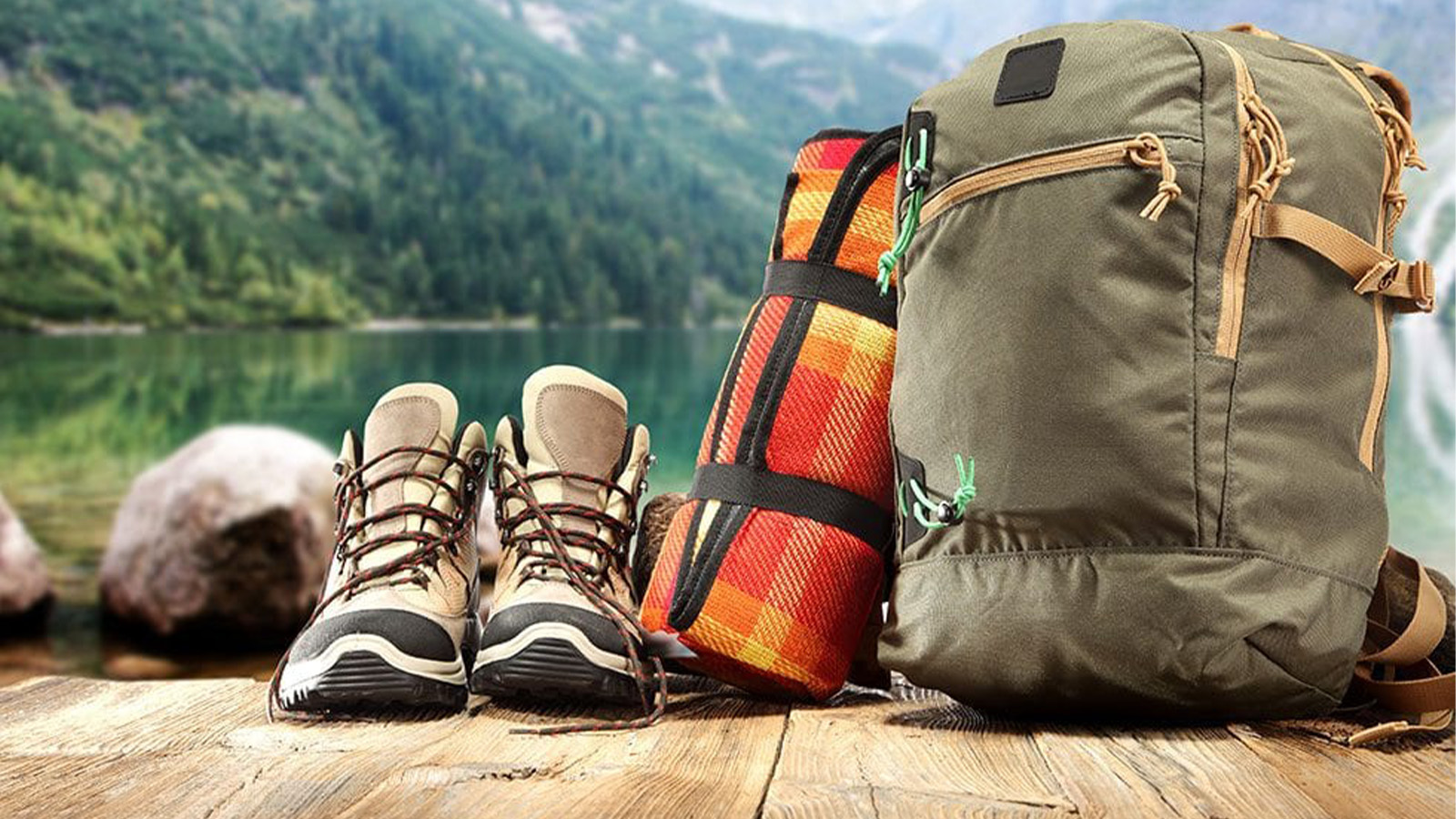
The rainforest is unpredictable, and the terrain can be physically demanding, so your gear is not just about comfort—it is about safety and endurance. Proper hiking boots with strong grip are non-negotiable, as trails are often muddy, steep, and slippery. Long-sleeved shirts and trousers protect against thorny vegetation and insects, while a lightweight waterproof jacket is essential due to sudden rain showers that can appear without warning. Gloves are often overlooked but incredibly useful when grabbing onto branches and navigating thick undergrowth.
A small but well-packed daypack should include drinking water, energy snacks, sunscreen, insect repellent, and a camera with no flash, as flash photography is not permitted around gorillas. Many experienced trekkers also carry gaiters to protect against mud and ants, as well as a walking stick, which is often provided at the park headquarters but can make a significant difference in stability during steep climbs and descents. Dressing in neutral, earthy colors helps you blend into the environment and avoid startling wildlife, while also enhancing the overall trekking experience.
Health and Fitness Preparation
Gorilla trekking is not a casual walk in the park; it can range from a short one-hour hike to a full-day expedition depending on the location of the gorilla family you are assigned to track. This unpredictability means that a reasonable level of fitness is essential. Preparing your body with regular হাঁiking, cardio exercises, and leg strengthening routines in the weeks leading up to your trip can greatly improve your experience and reduce fatigue on the day of the trek.
Health precautions are equally important, not just for you but for the gorillas themselves. Because gorillas share a significant percentage of human DNA, they are highly susceptible to human diseases. Visitors who are unwell are not allowed to trek, and strict guidelines are enforced, including maintaining a safe distance of at least seven meters from the gorillas. Vaccinations, particularly for yellow fever when traveling to Uganda or Rwanda, are often required, and carrying basic medication for personal use is advisable given the remote nature of the trekking locations.
What to Expect During the Trek
The trekking experience begins early in the morning with a briefing at the park headquarters, where guides assign you to a specific gorilla family based on your fitness level and preferences. From there, you venture into the forest accompanied by experienced trackers who read the subtle signs of the jungle—broken branches, fresh dung, distant calls—to locate the gorillas. The journey itself becomes part of the adventure, as you move through a living, breathing ecosystem filled with birds, butterflies, and other primates.
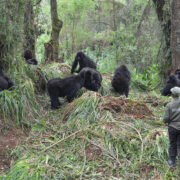
When you finally encounter the gorillas, time seems to slow down. You are allowed one hour in their presence, a carefully controlled window designed to minimize stress on the animals. During this time, you may witness grooming, feeding, playing, or simply resting, all within a few meters of your position. The presence of a massive silverback, calm yet commanding, is both humbling and awe-inspiring. It is in this moment that the physical effort, the mud, and the climb all fade into insignificance, replaced by a deep sense of connection with the natural world.
Creating Memories That Last a Lifetime
Gorilla trekking is more than a bucket-list experience—it is a journey that leaves an imprint on your perspective, your emotions, and your understanding of wildlife conservation. It is about stepping into a world that has remained largely unchanged for centuries and realizing the importance of protecting it. The memories you carry from the forest are not just photographs; they are moments of silence, eye contact, and shared space with one of humanity’s closest relatives.
For travelers seeking something deeper than a traditional safari, gorilla trekking offers exactly that—a chance to remember memories in their purest form, where every step, every breath, and every encounter becomes part of a story worth telling for a lifetime.

Recent Posts
Gorilla vs Chimp: How to Identify Africa’s Great Apes
Responsible Wildlife Tourism: How to Minimize Your Impact
All Categories
Thailand