Gorilla Conservation in Uganda: Protecting Mountain Gorillas
Uganda is one of the few places on Earth where mountain gorillas still thrive in their natural habitat. Gorilla conservation in Uganda has become a global success story, blending wildlife protection with sustainable tourism and community involvement. For organizations like Chimps and Gorillas, this mission is not only about preserving a species but also about securing ecosystems and livelihoods for future generations.
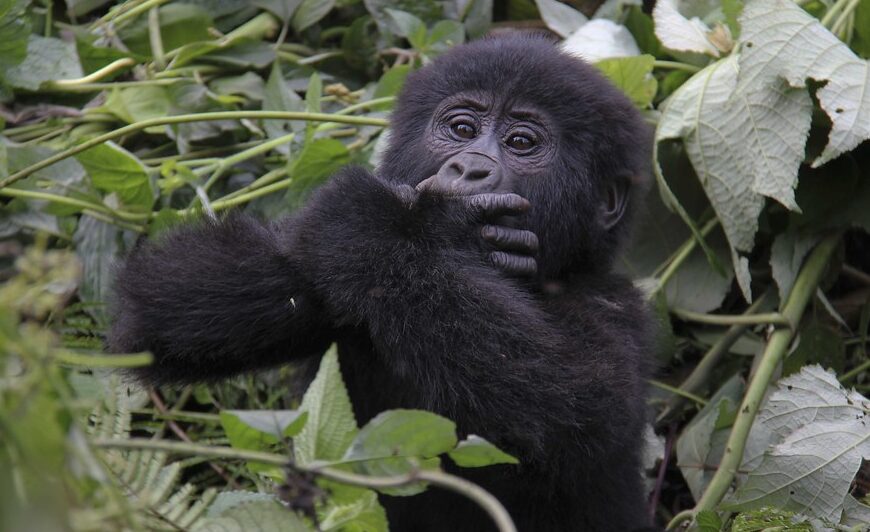
Gorillas, particularly the endangered mountain gorilla, are found in Uganda’s Bwindi Impenetrable National Park and Mgahinga Gorilla National Park. Decades ago, their population was critically low due to poaching, habitat loss, and disease. Today, through conservation efforts, their numbers are gradually increasing, offering hope for long-term survival.
The Importance of Gorilla Conservation
Gorillas play a vital role in maintaining forest ecosystems. As seed dispersers, they help regenerate forests, which in turn support biodiversity and regulate climate. Protecting gorillas means preserving entire ecosystems that benefit both wildlife and human populations.
Beyond ecology, gorilla conservation in Uganda contributes significantly to the country’s economy through tourism. Gorilla trekking permits generate revenue that supports park management, conservation programs, and local communities. This model ensures that wildlife protection is directly linked to economic incentives.
History of Conservation Efforts
In the 1980s and early 1990s, mountain gorilla populations were on the brink of extinction. Conservation efforts began intensifying with the establishment of protected areas, stricter anti-poaching laws, and international partnerships.
Organizations, government agencies, and local communities collaborated to create a sustainable framework for conservation. The Uganda Wildlife Authority played a central role in enforcing laws and managing parks, while NGOs supported research, funding, and community outreach programs.
Over time, these combined efforts have led to a steady increase in gorilla numbers, making Uganda a model for wildlife conservation globally.
Threats Facing Gorillas
Despite progress, gorillas still face several threats that require ongoing attention.
Habitat Loss
Expanding human populations and agricultural activities continue to encroach on forest habitats. This reduces the space available for gorillas and increases human-wildlife conflict.
Poaching
Although rare today, poaching remains a threat. Gorillas are sometimes caught in snares intended for other animals, leading to injury or death.
Disease
Gorillas share a high percentage of their DNA with humans, making them susceptible to human diseases. Respiratory infections are particularly dangerous and can spread quickly among groups.
Climate Change
Changing weather patterns affect food availability and habitat conditions, posing long-term risks to gorilla survival.
Conservation Strategies in Uganda
Uganda has implemented a range of strategies to address these threats effectively.
Protected Areas
National parks such as Bwindi and Mgahinga are strictly protected. These areas provide safe habitats where gorillas can live and reproduce without significant human interference.
Anti-Poaching Measures
Rangers patrol parks regularly to remove snares and deter illegal activities. Surveillance and community reporting systems also help reduce poaching incidents.
Veterinary Care
Specialized veterinary teams monitor gorilla health and intervene when necessary. This proactive approach has saved many gorillas from injuries and diseases.
Research and Monitoring
Continuous research helps track gorilla populations, behavior, and health. Data collected informs conservation policies and ensures adaptive management.
Role of Local Communities
One of the most critical aspects of gorilla conservation in Uganda is community involvement. Conservation efforts are more successful when local people benefit directly.
Revenue-sharing programs allocate a portion of tourism income to nearby communities. This funding supports schools, healthcare, and infrastructure projects. As a result, communities are more motivated to protect gorillas and their habitats.
Additionally, alternative livelihood programs reduce dependence on forest resources. Initiatives such as beekeeping, handicrafts, and sustainable agriculture provide income while minimizing environmental impact.
Gorilla Tourism and Its Impact
Gorilla trekking is one of Uganda’s प्रमुख attractions, drawing visitors from around the world. Tourists pay for permits to track and observe gorillas in their natural habitat under strict guidelines.
This form of tourism is carefully regulated to minimize disturbance. Only a limited number of visitors are allowed per day, and interactions are time-restricted.
The revenue generated from tourism supports conservation programs and provides employment opportunities for local communities, including guides, porters, and hospitality workers.
However, responsible tourism practices are essential. Visitors must follow guidelines such as maintaining distance, wearing masks when necessary, and avoiding visits when ill.
Challenges in Balancing Conservation and Tourism
While tourism provides funding, it also presents challenges. Increased human presence can stress gorillas and increase the risk of disease transmission.
Managing visitor numbers and enforcing regulations require constant vigilance. Conservation authorities must strike a balance between generating revenue and protecting wildlife.
Education plays a key role in ensuring tourists understand their responsibilities and the importance of ethical wildlife interactions.
The Future of Gorilla Conservation
The future of gorilla conservation in Uganda looks promising but requires sustained effort. Continued investment in conservation programs, community engagement, and research is essential.
Technological advancements, such as GPS tracking and data analytics, are improving monitoring and management. These tools enable more effective decision-making and rapid response to threats.
Climate resilience strategies are also becoming increasingly important. Protecting forest ecosystems and promoting sustainable land use will help mitigate the impacts of climate change.
How Travelers Can Support Conservation
Travelers play a significant role in supporting gorilla conservation. Choosing responsible tour operators, respecting guidelines, and contributing to conservation initiatives make a difference.
Visitors can also support local communities by purchasing locally made products and participating in cultural experiences. This ensures that tourism benefits are widely distributed.
Organizations like Chimps and Gorillas offer experiences that prioritize conservation and community well-being, making them ideal partners for responsible travel.
Conclusion
Gorilla conservation in Uganda stands as a powerful example of what can be achieved through collaboration, dedication, and sustainable practices. From near extinction to gradual recovery, the journey of mountain gorillas reflects the impact of effective conservation strategies.
However, the work is far from over. Ongoing threats require continued commitment from governments, organizations, communities, and travelers alike.
By supporting conservation efforts and promoting responsible tourism, we can ensure that gorillas continue to thrive in Uganda’s forests for generations to come.
Request Quote
Popular Trips
Rwanda
- 1 Day Rwanda Gorilla Trek
- 2 Day Akagera Safari from Kigali
- 2 Day Gorilla Trek Rwanda
- 3 Day Akagera National Park Safari
- 3 Day Gorilla Trekking Rwanda
- 4 Day Rwanda Gorilla Safari
- 5 Day Rwanda Gorilla and Golden Monkey
- 6 Day Rwanda Primates Safari
- 7 Day Rwanda Wildlife and Gorilla Safari
- 8 Day Classic Rwanda Safari Tour
Uganda
- 10 Day Uganda Safari Tour
- 12 Day Uganda Gorilla and Wildlife Safari
- 3 Day Gorilla Trekking Uganda
- 3 Day Gorilla Trekking Uganda from Kigali
- 3 Day Murchison Falls Safari
- 5 Day Gorilla and Chimpanzee Safari Uganda
- 5 Days Gorilla and wildlife safari
- 6 Days Gorilla, Chimps and Wildlife safari
- 7 Day Uganda Wildlife Safari
- 8 Days Uganda Safari
Recent Posts

6-Day Lifestyle Safari Itinerary

Common Safari Mistakes to Avoid in Uganda