Emotional Gorilla Trekking Stories: Life-Changing Encounters with Mountain Gorillas
The Stories Behind Uganda’s Most Powerful Wildlife Experiences
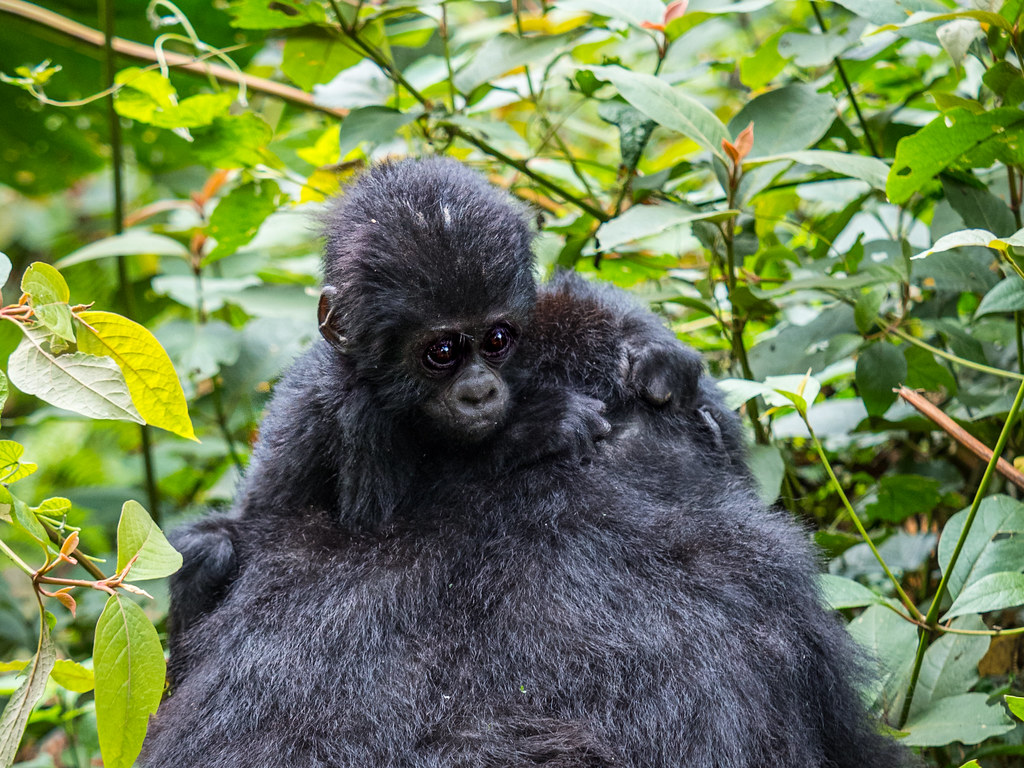
Some wildlife encounters create memories that last for years, but a mountain gorilla encounter creates something much deeper. The emotions experienced during a trek through Uganda’s ancient rainforest often remain with travelers long after they return home.
The most unforgettable Emotional Gorilla Trekking Stories are not only about seeing gorillas. They are about connection, respect, conservation, and the incredible realization that humans are sharing a moment with one of our closest living relatives.
Deep inside the mist-covered forests of Uganda, visitors leave behind busy schedules and modern distractions. They enter a world where towering trees, flowing streams, colorful birds, and rare wildlife create an atmosphere unlike anywhere else on Earth.
For travelers with Chimps and Gorillas, every safari is carefully planned to create meaningful encounters with mountain gorillas and chimpanzees while ensuring comfort, safety, and responsible tourism.
From the first briefing at Bwindi Impenetrable National Park to the emotional moment when a silverback appears through the vegetation, every stage of the journey becomes part of the story.
The Journey Begins Before the Gorilla Encounter
Many travelers believe the highlight begins when they finally see the gorillas.
However, most guests later explain that the entire journey was unforgettable.
The adventure begins early in the morning.
Mist covers the hills surrounding Bwindi Impenetrable National Park.
The cool air carries the sounds of forest birds.
Travelers gather at the park headquarters, excited but unsure of what awaits them.
Some have dreamed about this moment for decades.
Others are experiencing their first African adventure.
Experienced guides welcome everyone and explain the importance of protecting the gorillas and their fragile habitat.
The briefing includes:
- Gorilla trekking guidelines.
- Safety information.
- Photography rules.
- Conservation practices.
- Expectations during the trek.
Every traveler enters the forest understanding that they are not simply visiting wildlife.
They are entering the home of a protected gorilla family.
A Mother’s Love in the Forest
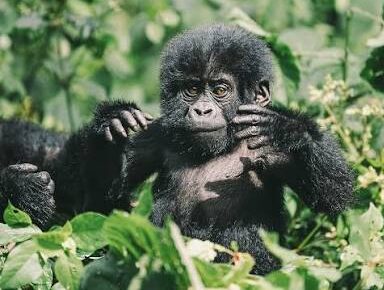
One of the most emotional stories shared by visitors involves a young gorilla mother and her infant.
A traveler named Laura from Canada had always wanted to see mountain gorillas.
After years of planning, she finally booked a Uganda safari with Chimps and Gorillas.
The trek began through dense rainforest vegetation.
The trail was challenging, but the beauty of the forest kept everyone motivated.
After several hours, the ranger stopped suddenly.
The gorilla family was nearby.
The group moved carefully through the vegetation.
Then they saw them.
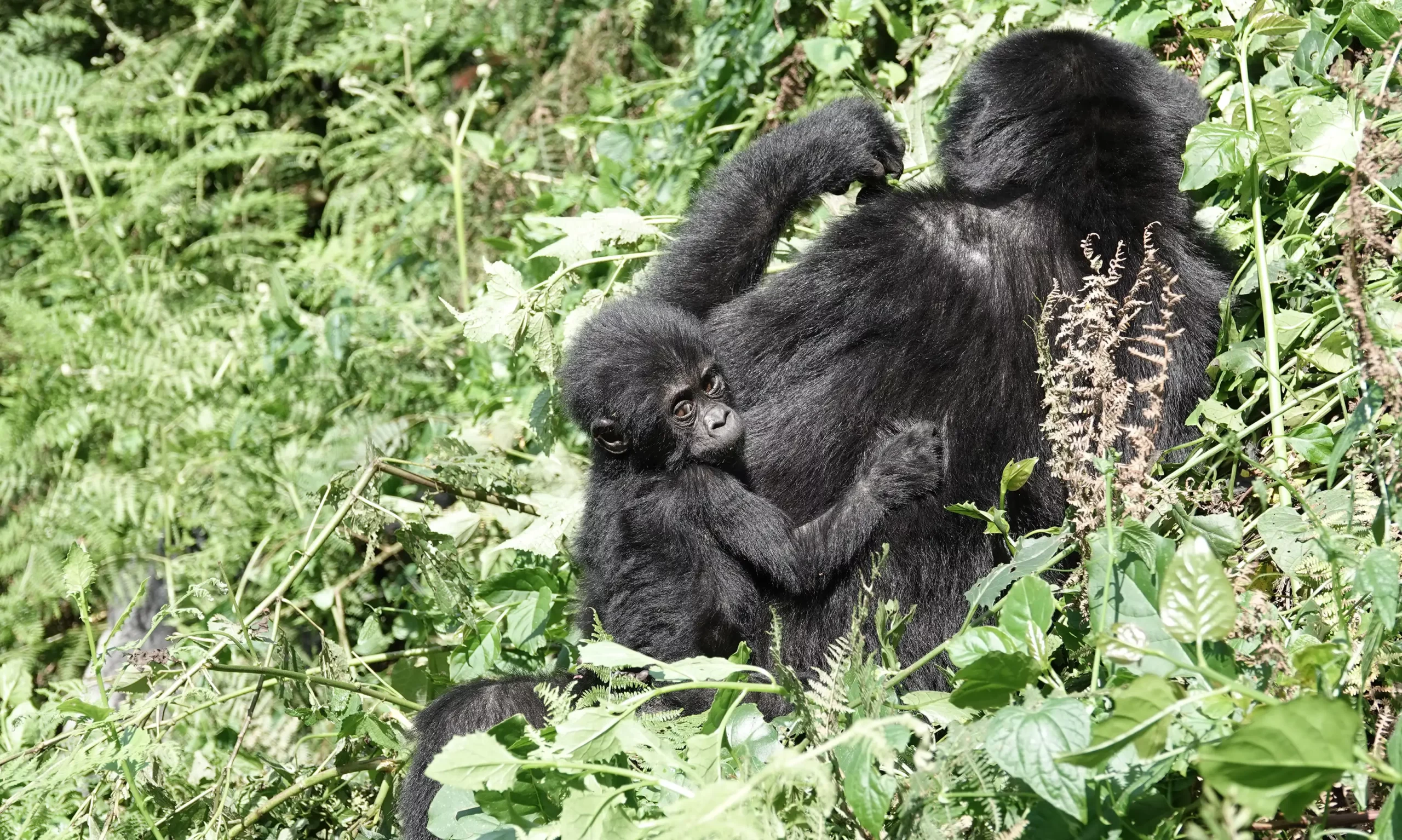
A female gorilla was sitting peacefully beneath a large tree.
Her tiny infant was resting against her chest.
The baby occasionally looked toward the visitors before returning to its mother.
The moment was completely silent.
Laura later described the experience:
“Watching that mother protect her baby reminded me that love and family exist across all species. It was one of the most beautiful moments of my life.”
This is why many travelers describe their experience as one of the most powerful Emotional Gorilla Trekking Stories they have ever experienced.
The Silverback That Changed a Traveler’s Perspective
Another unforgettable story comes from Daniel, a wildlife enthusiast from Germany.
Before visiting Uganda, he had seen countless documentaries about mountain gorillas.
However, he never expected the real experience to feel so personal.
During his trek in Bwindi, his group searched for a gorilla family that had moved deeper into the forest.
The hike was demanding.
The terrain was steep.
The vegetation was thick.
But the excitement continued growing.
Eventually, the trackers located the family.
The group approached slowly.
A powerful silverback rested nearby.
His size was impressive, but what surprised Daniel most was his peaceful behavior.
The silverback gently moved between his family members, checking on young gorillas and allowing juveniles to play around him.
There was no fear.
Only respect.
Daniel later explained:
“I expected to see a powerful animal. I did not expect to see such patience, intelligence, and family connection.”
Why Gorilla Encounters Become Emotional
A mountain gorilla trek is different from many wildlife experiences because of the close connection created between humans and animals.
Visitors are not watching from a vehicle.
They are standing inside the rainforest.
They observe natural behavior
Every gorilla has unique characteristics.
Some are playful.
Some are curious
Some young gorillas constantly explore their surroundings.
Older females often provide guidance and protection.
Silverbacks demonstrate leadership and responsibility.
These moments create emotional connections that travelers remember forever.
Chimpanzees Add Another Emotional Dimension
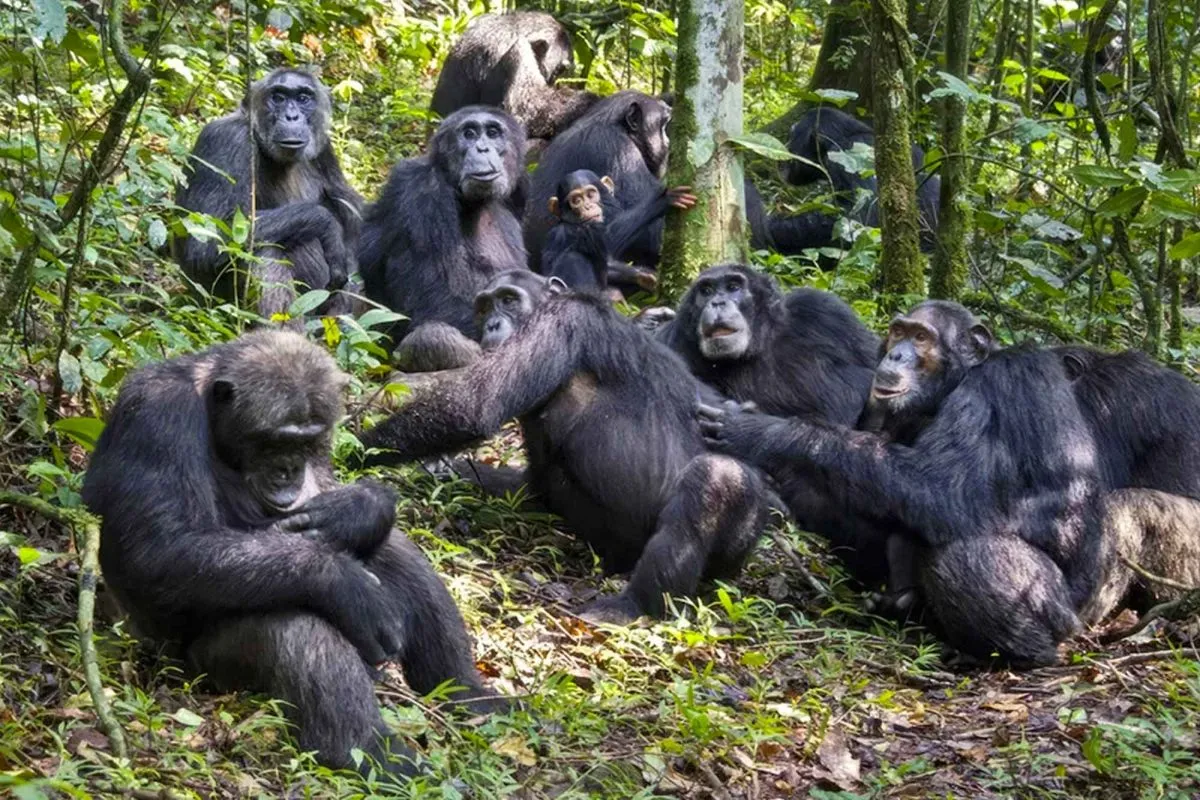
Although gorillas are the main attraction, many visitors extend their safari to include chimpanzee tracking in Kibale Forest National Park.
Chimpanzees provide a completely different experience.
Where gorillas are calm and powerful, chimpanzees are energetic and expressive.
The forest suddenly becomes alive with movement.
Chimpanzees call from the treetops.
Young individuals chase each other through branches.
Adults communicate using complex sounds and gestures.
Visitors often describe chimpanzee tracking as a perfect companion experience because it reveals another side of Africa’s incredible primates.
A combined gorilla and chimpanzee safari allows travelers to appreciate the diversity of rainforest life.
Why Travelers Choose Chimps and Gorillas
Many guests choose Chimps and Gorillas because the company focuses on creating authentic wildlife experiences rather than simple sightseeing trips.
Services include:
- Personalized safari planning.
- Gorilla permit assistance.
- Chimpanzee tracking arrangements.
- Experienced local guides.
- Comfortable safari vehicles.
- Lodge reservations.
- Airport transfers.
- Flexible itineraries.
- Conservation-focused travel.
Positive Chimps and Gorillas Reviews often mention knowledgeable guides, smooth organization, and unforgettable wildlife encounters.
Travelers can also Plan Your Safari or Request Itinerary to create a customized gorilla and chimpanzee adventure.
Real Traveler Experiences from Uganda’s Gorilla Forests
The most memorable Emotional Gorilla Trekking Stories often come from travelers who never expected a wildlife encounter to affect them so deeply. Many arrive in Uganda searching for adventure, photography opportunities, or a unique holiday experience, but they leave with something much more meaningful—a personal connection with nature and a renewed appreciation for conservation.
The forests of Uganda create an atmosphere where every moment feels special. The sound of rain falling on ancient trees, the calls of forest birds, and the anticipation of finding a gorilla family all become part of a story that travelers carry with them forever.
With Chimps and Gorillas, every journey is designed to give guests enough time to appreciate these moments while traveling responsibly and comfortably through Uganda’s most remarkable wilderness areas.
A Grandfather’s Dream Come True
One of the most touching stories shared by previous travelers came from Robert, a retired teacher from the United States.
For many years, Robert had collected books and documentaries about mountain gorillas. He admired their intelligence, family structures, and the conservation efforts protecting them.
However, he never believed he would eventually stand in their natural habitat.
When his family surprised him with a Uganda gorilla safari, it became a journey he would never forget.
The trek through Bwindi Impenetrable National Park began early in the morning.
Robert moved slowly through the forest with support from his guide and porter.
The trail was challenging, but the excitement kept him going.
After several hours, the ranger received confirmation that the gorilla family was nearby.
The group approached carefully.
Suddenly, a large silverback appeared between the trees.
Robert remained completely still.
The gorilla looked toward the visitors before calmly continuing through the forest.
Nearby, younger gorillas played while mothers watched carefully.
Robert later explained:
“At that moment, I was not thinking about age, distance, or the difficult hike. I was simply grateful to be there. It was a dream I never thought would happen.”
His story demonstrates why responsible gorilla tourism is accessible to travelers with different levels of experience when properly planned.
The Photographer Who Put Down the Camera
Wildlife photographers often dream about capturing the perfect image.
However, many discover that the most powerful moments cannot always be captured through a lens.
Emma, a professional photographer from France, traveled to Uganda hoping to photograph mountain gorillas.
She carried professional camera equipment and prepared carefully for the rainforest conditions.
During her trek, her group located a gorilla family resting in a quiet section of Bwindi.
She immediately began taking photographs.
The silverback was sitting peacefully while juveniles played around him.
A mother gently groomed her infant.
The scene was perfect.
But after several minutes, Emma lowered her camera.
She realized she wanted to experience the moment directly rather than only record it.
She later shared:
“The photographs are beautiful, but the memory of standing there quietly with the gorillas is what I treasure most.”
This is a common theme in many Emotional Gorilla Trekking Stories—the experience becomes more powerful when travelers allow themselves to observe rather than simply document.
The Young Traveler’s First African Safari
For many visitors, a gorilla trek represents their first experience in Africa.
James, a university student from Australia, had always been fascinated by wildlife but had never visited the continent.
He joined a Uganda safari that combined:
- Gorilla trekking in Bwindi.
- Chimpanzee tracking in Kibale.
- Wildlife viewing in Queen Elizabeth National Park.
- Cultural experiences with local communities.
The gorilla trek became the highlight.
During the encounter, a curious juvenile gorilla approached the group before sitting nearby.
The young gorilla studied the visitors with curiosity.
The ranger explained that such behavior showed the animal was comfortable and relaxed.
James described the moment as a turning point:
“I went to Uganda expecting to see animals. I left understanding that wildlife has personalities, emotions, and relationships.”
This deeper understanding is one reason primate safaris create such lasting impressions.
Conservation Stories Behind Every Encounter
Every emotional gorilla experience is connected to a much larger conservation story.
Mountain gorillas once faced severe threats from habitat destruction, illegal hunting, and human conflict.
Today, conservation programs, responsible tourism, veterinary care, and community involvement have helped increase protection for these incredible animals.
Every visitor contributes to this success.
Gorilla trekking permits help support:
- Ranger protection teams.
- Gorilla monitoring programs.
- Veterinary assistance.
- Forest conservation.
- Local community projects.
- Environmental education.
When travelers experience a Close Encounter with Silverback or watch a gorilla family peacefully feeding, they are also witnessing the result of decades of conservation work.
The Emotional Connection Between Humans and Gorillas
Many travelers are surprised by how familiar gorilla behavior feels.
During trekking, visitors often notice similarities between humans and gorillas:
- Mothers caring for infants.
- Youngsters playing together.
- Adults showing patience.
- Family members supporting each other.
- Communication through expressions and gestures.
These similarities create a powerful emotional response.
Guests often say they no longer see gorillas simply as wildlife.
They see them as intelligent beings with complex social relationships.
This realization creates a stronger desire to protect them and their environment.
Beyond Bwindi: Other Primate Experiences
Although Bwindi is Uganda’s most famous gorilla destination, travelers can combine their trek with several other remarkable experiences.
Mgahinga Gorilla National Park
Located near the borders of Rwanda and the Democratic Republic of Congo, Mgahinga offers spectacular volcanic landscapes and opportunities to experience mountain gorillas in a quieter setting.
The park is also famous for golden monkey trekking.
Kibale Forest National Park
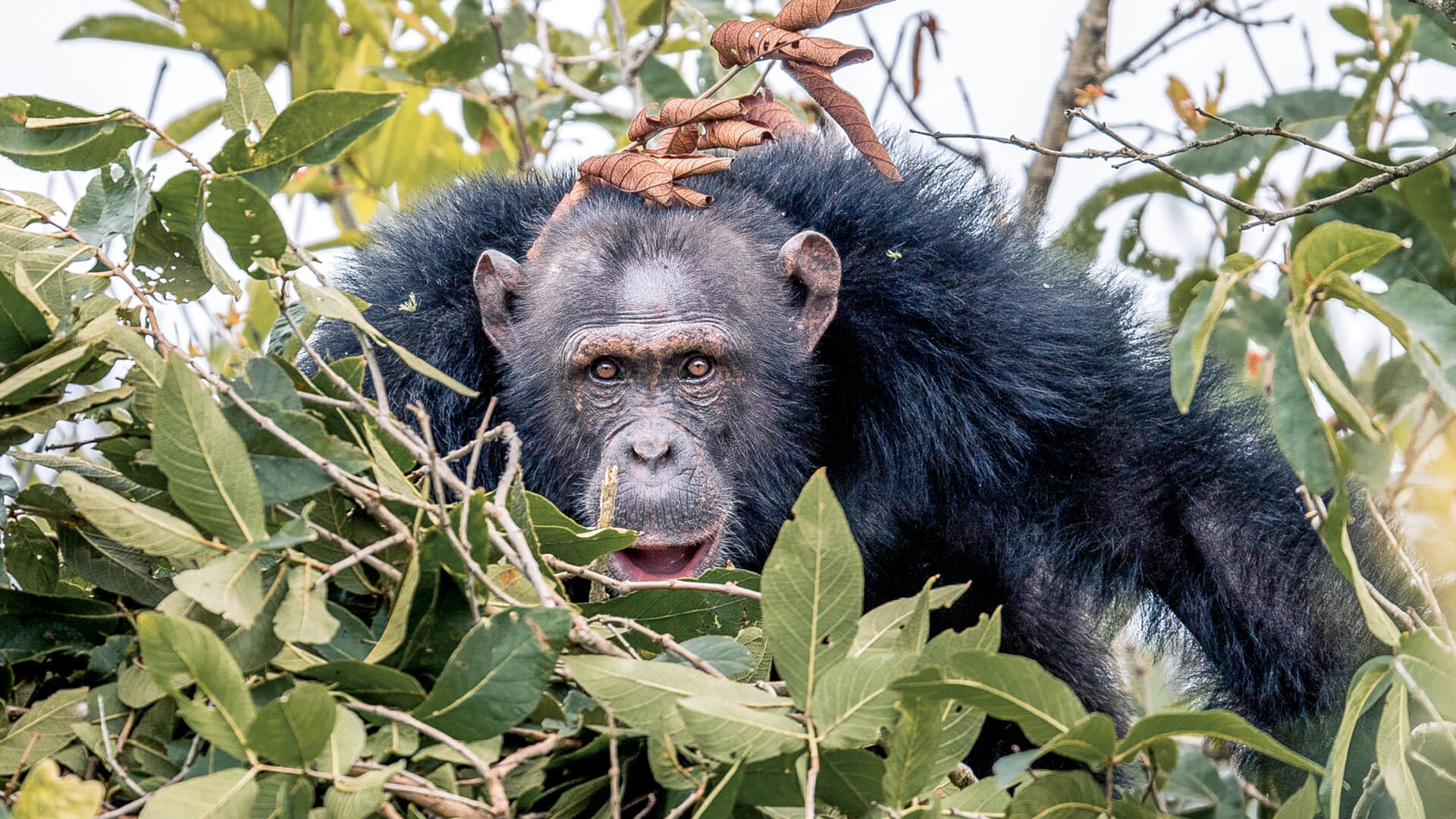
Known as the primate capital of the world, Kibale offers some of Africa’s best chimpanzee tracking experiences.
The forest contains one of the highest concentrations of chimpanzees anywhere on Earth.
Queen Elizabeth National Park
Many gorilla itineraries include Queen Elizabeth National Park, where visitors may encounter:
- Elephants.
- Buffalo.
- Lions.
- Leopards.
- Hippos.
- Antelope species.
Combining primate trekking with classic safari experiences creates a complete Uganda adventure.
Practical Advice from Previous Travelers
Many guests who share their Chimps and Gorillas Reviews recommend preparing properly before the trek.
Their most common advice includes:
Start Training Before Your Trip
Although anyone with reasonable fitness can enjoy gorilla trekking, preparation makes the experience more comfortable.
Helpful activities include:
- Walking regularly.
- Hiking local trails.
- Improving endurance.
- Practicing with a backpack.
Bring Proper Rainforest Gear
Uganda’s forests can be wet throughout the year.
Recommended items include:
- Waterproof hiking boots.
- Rain jacket.
- Long trousers.
- Comfortable shirts.
- Gardening gloves.
- Small backpack.
- Camera protection.
- Extra socks.
Hire a Local Porter
Travelers frequently mention that porters made their experience easier and more enjoyable.
Porters help carry bags, assist on difficult sections, and provide encouragement throughout the trek.
Their work also directly supports communities surrounding the national parks.
Why Book Your Experience with Chimps and Gorillas?
A successful gorilla safari requires careful planning.
From securing permits to selecting suitable lodges and arranging transportation, every detail matters.
Chimps and Gorillas specializes in creating personalized primate journeys that combine adventure, comfort, and conservation.
Guests receive:
- Professional safari planning.
- Experienced local guides.
- Gorilla and chimpanzee permit assistance.
- Comfortable transportation.
- Quality accommodation options.
- Flexible safari schedules.
- Personalized customer support.
Whether you are searching for a luxury experience, a family adventure, or a budget-friendly wildlife journey, Chimps and Gorillas creates itineraries designed around your needs.
You can Plan Your Safari today or Request Itinerary for a customized gorilla and chimpanzee adventure.
A 7-Day Emotional Gorilla Trekking Safari Itinerary in Uganda
A carefully planned itinerary allows travelers to experience Uganda’s most emotional wildlife encounters while exploring some of the country’s most beautiful landscapes. This Emotional Gorilla Trekking Stories safari combines mountain gorilla trekking in Bwindi Impenetrable National Park with chimpanzee tracking in Kibale Forest National Park and classic wildlife experiences along the way.
Designed by Chimps and Gorillas, this itinerary focuses on meaningful encounters, comfortable travel, excellent guiding, and enough time to appreciate Uganda’s forests, wildlife, and communities.
Day 1: Arrival in Entebbe, Uganda
Your journey begins at Entebbe International Airport, where you are warmly welcomed by your professional Chimps and Gorillas safari guide.
After introductions and a short briefing, you transfer to your accommodation in Entebbe.
The evening is designed for relaxation after your international flight.
Depending on your arrival time, optional activities may include:
- Visiting the Uganda Wildlife Education Centre.
- Exploring Entebbe Botanical Gardens.
- Walking along the shores of Lake Victoria.
- Enjoying a sunset view over Africa’s largest lake.
During the evening, your guide explains the upcoming adventure, including:
- Gorilla trekking expectations.
- Forest conditions.
- Packing recommendations.
- Wildlife conservation practices.
- Safari schedule.
Accommodation: Entebbe
Meals: Dinner (depending on arrival time)
Day 2: Journey to Kibale Forest National Park
After breakfast, begin your journey west toward Kibale Forest National Park.
The drive introduces travelers to Uganda’s beautiful countryside.
The landscape changes from busy towns to peaceful villages, tea plantations, rolling hills, and crater lakes.
Along the way, your guide shares stories about Uganda’s people, traditions, and wildlife.
Arrive at Kibale Forest in the afternoon and check into your forest lodge.
The evening is spent relaxing among the sounds of nature.
The distant calls of birds and forest creatures create excitement for the chimpanzee adventure ahead.
Driving Time: Approximately 5–6 hours
Accommodation: Kibale Forest Lodge
Meals: Breakfast, Lunch, Dinner
Day 3: Chimpanzee Tracking in Kibale Forest
After an early breakfast, begin your chimpanzee tracking experience.
At the visitor center, experienced guides provide a detailed briefing before entering the rainforest.
The moment you step beneath the forest canopy, the atmosphere changes.
Tall trees surround you.
Birds call from above.
The forest floor is covered with green vegetation.
Soon, the sound of chimpanzees echoes through the trees.
Your guide follows fresh signs left by the chimpanzee community.
Broken branches.
Footprints.
Fruits scattered below feeding areas.
Then the forest suddenly becomes alive.
Chimpanzees move through the canopy with incredible speed.
Young chimpanzees playfully chase one another.
Adults groom each other.
Mothers protect their infants.
Visitors often describe this moment as emotional because the behavior feels remarkably familiar.
After spending time observing the chimpanzees, return to the lodge for lunch.
In the afternoon, visit the Bigodi Wetland Sanctuary, a community conservation project famous for birdwatching and nature walks.
Possible sightings include:
- Red-tailed monkeys.
- Black-and-white colobus monkeys.
- Colorful birds.
- Butterflies.
- Forest plants.
Accommodation: Kibale Forest Lodge
Meals: Breakfast, Lunch, Dinner
Day 4: Transfer to Bwindi Impenetrable National Park
After breakfast, begin the scenic journey toward Bwindi Impenetrable National Park.
This is one of the most beautiful drives in Uganda.
The route passes through:
- Traditional villages.
- Highland farms.
- Tea plantations.
- Queen Elizabeth National Park.
Depending on timing, travelers may have opportunities to spot wildlife including:
- Elephants.
- Buffalo.
- Uganda kob.
- Warthogs.
- Antelope species.
As you approach Bwindi, the landscape becomes more dramatic.
The forest-covered mountains appear across the horizon.
Small farms cover the steep hillsides.
Communities live peacefully alongside one of Africa’s most important protected areas.
Arrive at your lodge and prepare for the emotional highlight of the journey.
Tomorrow, you meet the mountain gorillas.
Driving Time: Approximately 6–7 hours
Accommodation: Bwindi Lodge
Meals: Breakfast, Lunch, Dinner
Day 5: The Emotional Gorilla Trekking Experience
Today is the day you have been waiting for.
After an early breakfast, transfer to the park headquarters for registration and briefing.
Your ranger guide explains important rules:
- Maintain respectful distance.
- Avoid sudden movements.
- Keep voices low.
- Follow ranger instructions.
- Avoid flash photography.
The trekking groups are assigned according to the location of gorilla families and visitor fitness levels.
Then the journey begins.
The trail enters Bwindi’s ancient rainforest.
The forest feels untouched.
Massive trees rise above you.
Moss covers fallen branches.
Birds sing from hidden locations.
Every step creates anticipation.
After some time, the trackers signal that the gorillas are close.
The group slows down.
The excitement becomes overwhelming.
Then suddenly, there they are.
A gorilla family resting peacefully in the forest.
A mother sits with her infant.
Juveniles play nearby.
A young gorilla climbs across branches before returning to the group.
Then the silverback appears.
He is powerful but calm.
He watches his family carefully.
For one unforgettable hour, travelers experience one of the most emotional wildlife encounters on Earth.
The Story Behind the Moment
One traveler described the experience this way:
“The hardest part was leaving. We had spent only one hour with the gorillas, but it felt like we had witnessed something much bigger than ourselves.”
The encounter was not about seeing a rare animal.
It was about witnessing family, connection, and survival.
The silverback’s leadership.
The mother’s protection.
The juveniles’ curiosity.
Every action told a story.
After the trek, return to your lodge carrying memories that will remain forever.
Accommodation: Bwindi Lodge
Meals: Breakfast, Packed Lunch, Dinner
Day 6: Cultural Experience and Forest Exploration
After the emotional gorilla trek, enjoy a slower day exploring the communities around Bwindi.
Uganda’s conservation success depends heavily on cooperation between wildlife authorities and local communities.
A cultural experience may include:
- Meeting local artisans.
- Learning traditional practices.
- Visiting community projects.
- Understanding conservation efforts.
Travelers often describe these interactions as another emotional highlight because they provide a deeper understanding of the people who protect the forests.
You may also enjoy a nature walk around the forest edges where guides explain:
- Medicinal plants.
- Bird species.
- Forest ecosystems.
- Local conservation initiatives.
Accommodation: Bwindi Lodge
Meals: Breakfast, Lunch, Dinner
Day 7: Return to Entebbe and Departure
After breakfast, begin the return journey toward Entebbe.
Depending on your flight schedule, enjoy stops along the way.
One popular stop is the Uganda Equator, where visitors can:
- Take memorable photographs.
- Purchase local crafts.
- Learn about the equator line.
Continue to Entebbe International Airport for your departure flight.
Your safari ends with unforgettable memories of:
- Mountain gorillas.
- Chimpanzees.
- Uganda’s landscapes.
- Local communities.
- Conservation achievements.
Meals: Breakfast and Lunch
Practical Travel Information
Gorilla Trekking Costs
The cost of a gorilla safari depends on several factors:
- Gorilla trekking permit price.
- Accommodation level.
- Number of safari days.
- Transportation style.
- Additional activities.
- Private or group arrangements.
Chimps and Gorillas provides customized packages for:
- Budget travelers.
- Mid-range travelers.
- Luxury travelers.
Each package is designed to provide excellent value while maintaining quality service.
Best Time for Gorilla Trekking
Uganda offers gorilla trekking throughout the year.
The most popular periods are:
June to September
Advantages:
- Lower rainfall.
- Easier hiking conditions.
- Popular for first-time visitors.
December to February
Advantages:
- Comfortable trekking conditions.
- Excellent wildlife photography.
- Holiday travel opportunities.
The rainy months can also be rewarding because:
- Forests become greener.
- Landscapes are beautiful.
- There are fewer visitors.
Accommodation Recommendations
Chimps and Gorillas selects accommodations based on:
- Location.
- Comfort.
- Service quality.
- Guest reviews.
- Access to trekking areas.
Travelers can choose:
Budget Options
Comfortable lodges offering excellent value.
Mid-Range Options
Quality accommodations with additional comfort and great locations.
Luxury Options
Premium lodges offering exceptional service, views, and amenities.
Why Travelers Trust Chimps and Gorillas
Successful gorilla trekking requires more than booking permits.
It requires experience, local knowledge, and careful planning.
Chimps and Gorillas helps travelers enjoy a smooth journey through:
- Professional guides.
- Personalized planning.
- Reliable transport.
- Quality accommodation.
- Conservation-focused experiences.
- Excellent customer communication.
Conclusion: Why Emotional Gorilla Trekking Stories Stay Forever
The most powerful Emotional Gorilla Trekking Stories are not simply about reaching the forest and seeing a mountain gorilla. They are about the journey, the anticipation, the connection, and the unforgettable realization that humans are sharing a moment with some of the world’s most remarkable creatures.
A mountain gorilla encounter is unlike any other wildlife experience. Watching a lion hunt, an elephant herd move across the savannah, or a whale breach from the ocean is extraordinary, but standing quietly in the rainforest while a silverback protects his family creates a much deeper emotional connection.
The calm expression of a silverback.
The gentle care of a mother gorilla.
The curiosity of a young infant.
The playful behavior of juveniles.
These moments remind travelers that wildlife is not only about observation—it is about understanding, respecting, and protecting the natural world.
Uganda’s forests provide one of the few places where travelers can experience these incredible encounters while contributing directly to conservation. Every gorilla permit, safari booking, and responsible tourism activity supports efforts that protect endangered mountain gorillas and their fragile rainforest habitats.
For many visitors, the trek begins as an adventure but ends as something much more meaningful.
It becomes a personal story.
A memory shared with family and friends.
A reminder of the importance of protecting wildlife for future generations.
With Chimps and Gorillas, every safari is created around authentic experiences, responsible travel, and unforgettable wildlife encounters. From planning your itinerary and securing permits to selecting comfortable lodges and providing experienced guides, every detail is handled professionally.
Whether your dream is witnessing a powerful silverback in Bwindi, following chimpanzee calls through Kibale Forest, or exploring Uganda’s spectacular landscapes, Chimps and Gorillas helps transform your dream into reality.
Frequently Asked Questions
What makes Emotional Gorilla Trekking Stories so special?
Emotional Gorilla Trekking Stories are memorable because they capture the personal connection travelers experience when observing mountain gorillas in the wild. The close interaction, family behaviors, and peaceful nature of gorilla groups create moments that often change how visitors view wildlife and conservation.
Where can I experience mountain gorilla trekking?
Mountain gorilla trekking takes place in Uganda, Rwanda, and the Democratic Republic of Congo.
In Uganda, the main destinations are:
- Bwindi Impenetrable National Park.
- Mgahinga Gorilla National Park.
Uganda is especially popular because travelers can combine gorilla trekking with chimpanzee tracking, classic wildlife safaris, birdwatching, and cultural experiences.
How close can visitors get to gorillas?
Visitors usually maintain a recommended distance of approximately 7 meters from gorillas whenever possible.
However, because gorillas move freely through their natural environment, they may occasionally approach closer. Experienced rangers carefully manage these situations to ensure both visitor safety and gorilla protection.
Is gorilla trekking difficult?
The difficulty depends on where the gorilla family is located.
Some treks are relatively short, while others may require several hours of hiking through:
- Forest trails.
- Steep hills.
- Muddy sections.
- Dense vegetation.
Travelers with moderate fitness levels can usually participate successfully with proper preparation.
What is the best age for gorilla trekking?
Most adults and older children who meet park requirements can enjoy gorilla trekking.
The experience can be adapted to different fitness levels by assigning visitors to suitable gorilla families and allowing slower hiking speeds when necessary.
Families, couples, solo travelers, and older adventurers can all enjoy the experience with proper planning.
Can I combine gorilla trekking with chimpanzee tracking?
Yes.
Many travelers combine gorilla trekking with chimpanzee tracking because both experiences showcase Uganda’s incredible primate diversity.
A combined itinerary may include:
- Bwindi Impenetrable National Park for gorillas.
- Kibale Forest National Park for chimpanzees.
- Queen Elizabeth National Park for traditional wildlife viewing.
This creates a complete Uganda primate safari.
What should I pack for gorilla trekking?
Recommended items include:
- Waterproof hiking boots.
- Long trousers.
- Long-sleeved shirts.
- Rain jacket.
- Gardening gloves.
- Comfortable backpack.
- Camera.
- Extra batteries.
- Binoculars.
- Reusable water bottle.
- Energy snacks.
- Insect repellent.
- Sunscreen.
The rainforest environment can change quickly, so waterproof clothing is highly recommended.
Why should I hire a porter?
Hiring a porter is one of the most recommended choices by experienced travelers.
Porters help with:
- Carrying backpacks.
- Supporting visitors on difficult sections.
- Providing encouragement during the hike.
More importantly, porter services provide valuable employment opportunities for communities surrounding the national parks.
How long do I spend with gorillas?
Visitors are usually allowed one hour with a habituated gorilla family.
Although the time may seem short, many travelers describe this hour as one of the most meaningful experiences of their lives.
How far in advance should I book?
Gorilla permits are limited, so advance booking is strongly recommended.
Travelers planning peak season visits should consider booking several months ahead to secure preferred trekking dates and accommodation.
Why choose Chimps and Gorillas?
Chimps and Gorillas specializes in unforgettable primate safaris across Uganda and Rwanda.
The company provides:
- Personalized safari planning.
- Gorilla permit assistance.
- Chimpanzee tracking arrangements.
- Professional local guides.
- Comfortable safari vehicles.
- Carefully selected accommodations.
- Airport transfers.
- Flexible itineraries.
- Conservation-focused travel experiences.
Many guests highlight these qualities in their Chimps and Gorillas Reviews, praising the company’s professionalism, communication, and ability to create memorable wildlife experiences.
Why Travelers Recommend Chimps and Gorillas
Choosing the right safari company plays an important role in creating a successful gorilla trekking experience.
Travelers choose Chimps and Gorillas because of:
Expert Local Knowledge
Experienced guides understand:
- Gorilla family locations.
- Forest conditions.
- Wildlife behavior.
- The best trekking approaches.
Their knowledge helps create meaningful encounters while respecting conservation guidelines.
Personalized Safari Experiences
Every traveler has different expectations.
Some prefer:
- Luxury lodges.
- Budget-friendly adventures.
- Photography-focused trips.
- Family-friendly itineraries.
- Longer wildlife experiences.
Chimps and Gorillas creates flexible journeys based on individual preferences.
Responsible Tourism Commitment
Conservation is at the heart of every safari.
Responsible gorilla tourism helps protect:
- Mountain gorilla populations.
- Rainforest habitats.
- Local communities.
- Conservation programs.
Travelers become part of this important conservation story.
Final Call to Action
Your own Emotional Gorilla Trekking Stories are waiting to be created.
Imagine walking beneath ancient rainforest trees, hearing the distant sounds of wildlife, and finally standing before a mountain gorilla family that has survived through generations.
Imagine watching a silverback protect his family, seeing a young gorilla discover the forest for the first time, or hearing chimpanzees communicate through the trees of Kibale Forest.
These are not ordinary travel moments.
They are memories that remain forever.
With Chimps and Gorillas, your Emotional Gorilla Trekking Stories journey is carefully planned to provide exceptional wildlife experiences, professional guidance, and unforgettable adventures.
Start your journey today.
Plan Your Safari with Chimps and Gorillas.
Request Itinerary now and let our experienced team create your perfect Uganda gorilla and chimpanzee safari.
Chimps and Gorillas
Website: https://www.chimpsandgorillas.com
Email: info@chimpsandgorillas.com
WhatsApp: +256 774 532 841
Your rainforest story begins here.
Request Quote
Popular Trips
Rwanda
- 1 Day Rwanda Gorilla Trek
- 2 Day Akagera Safari from Kigali
- 2 Day Gorilla Trek Rwanda
- 3 Day Akagera National Park Safari
- 3 Day Gorilla Trekking Rwanda
- 4 Day Rwanda Gorilla Safari
- 5 Day Rwanda Gorilla and Golden Monkey
- 6 Day Rwanda Primates Safari
- 7 Day Rwanda Wildlife and Gorilla Safari
- 8 Day Classic Rwanda Safari Tour
Uganda
- 10 Day Uganda Safari Tour
- 12 Day Uganda Gorilla and Wildlife Safari
- 3 Day Gorilla Trekking Uganda
- 3 Day Gorilla Trekking Uganda from Kigali
- 3 Day Murchison Falls Safari
- 5 Day Gorilla and Chimpanzee Safari Uganda
- 5 Days Gorilla and wildlife safari
- 6 Days Gorilla, Chimps and Wildlife safari
- 7 Day Uganda Wildlife Safari
- 8 Days Uganda Safari
Recent Posts

6-Day Lifestyle Safari Itinerary
Common Safari Mistakes to Avoid in Uganda