
Eco Tourism in Uganda: Sustainable Gorilla and Chimpanzee Safaris
Uganda has become one of Africa’s leading destinations for responsible travel, offering unforgettable wildlife encounters while protecting nature and improving the lives of surrounding communities. Eco Tourism in Uganda is much more than seeing wildlife—it is about ensuring every safari contributes to conservation, supports local livelihoods, and preserves natural habitats for future generations.
Unlike mass tourism destinations, Uganda carefully balances visitor experiences with environmental protection. Travelers have the opportunity to trek endangered mountain gorillas, observe wild chimpanzees in ancient rainforests, cruise along wildlife-rich rivers, and visit community projects that directly benefit from tourism revenue.
For travelers seeking authentic African adventures, Uganda offers an experience where every permit purchased, every eco-lodge booked, and every community visit becomes part of a larger conservation success story.
Whether your dream is standing just meters away from a silverback gorilla, listening to chimpanzees calling through tropical forests, or watching elephants crossing golden savannahs at sunset, choosing sustainable travel ensures these experiences remain possible for generations to come.
For official conservation information, visitors can learn more through the Uganda Wildlife Authority (UWA), the Uganda Tourism Board, the International Gorilla Conservation Programme, the Dian Fossey Gorilla Fund, and the UNESCO World Heritage Centre.
This guide explores everything international travelers need to know about eco-tourism in Uganda, from conservation and wildlife experiences to practical travel advice, costs, and an unforgettable itinerary designed by Chimps and Gorillas.
Eco Tourism in Uganda Protects Wildlife While Creating Life-Changing Experiences
One of the greatest strengths of Eco Tourism in Uganda is that it creates a powerful relationship between conservation and tourism. Every visitor who travels responsibly becomes part of a larger story—one that protects endangered wildlife, restores forests, creates employment for local people, and ensures that Uganda’s extraordinary biodiversity remains intact for future generations.
Unlike conventional tourism, where economic benefits may remain concentrated among a few businesses, eco-tourism spreads opportunities throughout surrounding communities while encouraging sustainable management of protected areas.
Uganda is home to more than 50 percent of the world’s remaining mountain gorillas, over 5,000 chimpanzees living in protected forests, approximately 1,090 bird species, and an incredible diversity of mammals, reptiles, butterflies, and plant life. The country’s unique ecosystems range from tropical rainforests and volcanic mountains to vast savannahs, wetlands, crater lakes, and river systems.
Each ecosystem supports species that rely on continued conservation efforts, many of which are funded partly through tourism revenue.
When travelers purchase a gorilla trekking permit or chimpanzee tracking permit, a significant portion of the fee contributes directly to wildlife conservation. These funds support ranger patrols, veterinary care, anti-poaching operations, habitat restoration, scientific research, park management, and community development projects around protected areas. Instead of simply paying for an adventure, visitors actively help finance the protection of some of Earth’s most endangered species.
Mountain gorillas
represent one of the greatest conservation success stories in modern Africa. Only a few decades ago, their future appeared uncertain due to habitat loss, poaching, political instability, and human encroachment. Today, thanks to collaborative conservation efforts involving governments, conservation organizations, researchers, and responsible tourism operators, mountain gorilla populations have steadily increased. Uganda has played a central role in this remarkable recovery.
The carefully regulated gorilla trekking experience demonstrates how eco-tourism can protect wildlife while providing unforgettable visitor experiences. Only a limited number of permits are issued daily, group sizes remain small, trekking times are controlled, and visitors spend just one hour with each habituated gorilla family. These measures reduce stress on the animals while allowing travelers an intimate encounter that remains ethical and sustainable.
Walking through the dense forests of Bwindi Impenetrable National Park is an adventure unlike any other. Before sunrise, experienced Uganda Wildlife Authority rangers brief visitors about trekking etiquette, safety procedures, and conservation rules.
Small groups then disappear into the forest, following experienced trackers who interpret fresh gorilla signs such as broken vegetation, nests, feeding trails, and footprints.
The journey itself becomes part of the experience. Giant mahogany trees tower overhead while colorful butterflies dance between shafts of sunlight filtering through the canopy. Rare orchids cling to ancient tree trunks, and the distant calls of hornbills echo through the forest. Every step reveals another layer of one of Africa’s oldest tropical rainforests.
As trekkers climb higher into the mist-covered hills, anticipation builds. Suddenly, the guide raises a hand. The trackers have located the gorilla family.
Quietly approaching through dense vegetation, visitors often experience an overwhelming mixture of excitement, humility, and disbelief. Only a few meters away sits an enormous silverback, calmly watching over his family. Around him, playful juveniles tumble across the forest floor while curious infants climb vines under the watchful eyes of protective mothers.
For many travelers, this becomes the defining moment of their African journey.
There are no fences, no barriers, and no artificial environments. The gorillas remain completely wild, behaving naturally in their forest home. Watching a young gorilla curiously observe visitors before returning to play, or seeing a silverback gently groom another member of the family, reminds people how closely connected humans are to these remarkable primates.
The emotional impact extends well beyond photography. Visitors frequently describe feelings of respect, gratitude, and responsibility after leaving the forest. Many become lifelong supporters of wildlife conservation because of a single hour spent with mountain gorillas.
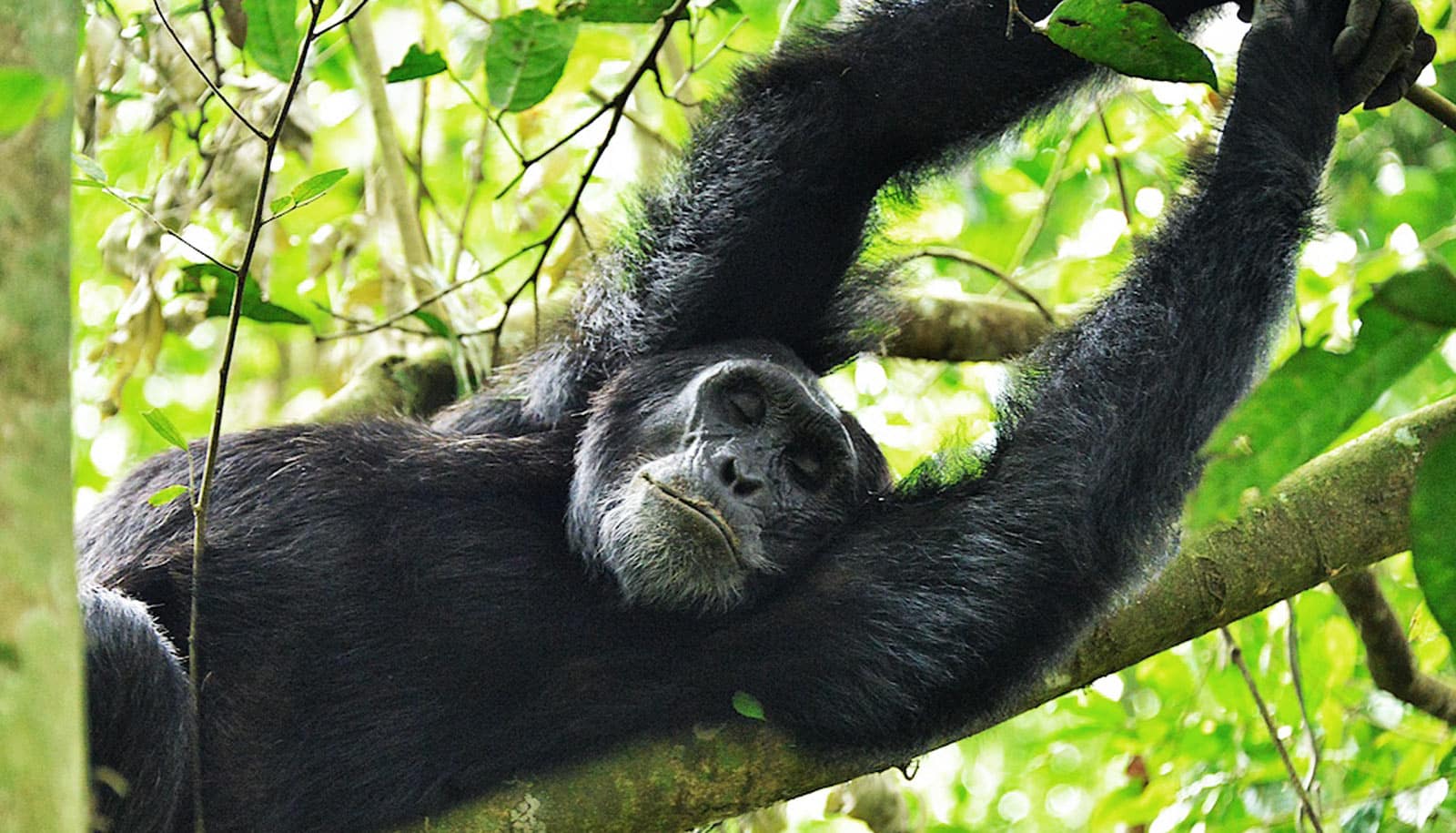
Chimpanzee tracking
offers an entirely different but equally fascinating conservation experience. Uganda protects some of East Africa’s healthiest chimpanzee populations within forests such as Kibale National Park, Budongo Forest, Kalinzu Forest, and Kyambura Gorge.
Unlike gorillas, chimpanzees are highly energetic, vocal, and constantly moving. A morning in Kibale often begins with guides listening for loud pant-hooting calls echoing across the forest canopy. Once the troop is located, visitors witness remarkable social interactions that demonstrate the intelligence of humanity’s closest relatives.
Young chimpanzees chase each other through towering fig trees while dominant males loudly announce their presence across the forest. Mothers cradle newborn infants with incredible tenderness, carefully teaching them how to forage and climb. Older individuals patiently groom one another, strengthening social bonds that hold the community together.
Watching a chimpanzee skillfully crack nuts with stones or carefully use sticks to retrieve insects demonstrates advanced problem-solving abilities rarely observed elsewhere in the animal kingdom. These moments provide powerful reminders of the evolutionary relationship shared between humans and great apes.
Beyond primates, Uganda’s eco-tourism model protects countless other species. Murchison Falls National Park safeguards elephants, lions, Rothschild’s giraffes, leopards, buffaloes, crocodiles, hippos, and hundreds of bird species. Queen Elizabeth National Park protects tree-climbing lions, giant forest hogs, Uganda kobs, hyenas, and one of Africa’s highest concentrations of hippos.
Kidepo Valley National Park,
one of Africa’s most remote wilderness areas, visitors experience landscapes where cheetahs, ostriches, bat-eared foxes, striped hyenas, and large buffalo herds roam largely undisturbed. Tourism income supports conservation in these remote ecosystems while creating employment opportunities in nearby communities that once depended heavily on natural resource extraction.
Wetland conservation has also become an important aspect of Uganda’s sustainable tourism. Mabamba Swamp, famous for the elusive shoebill stork, demonstrates how local communities can earn livelihoods through birdwatching tourism while protecting fragile wetlands from agricultural conversion. Experienced local canoe guides now have strong economic incentives to conserve habitats rather than exploit them unsustainably.
Another outstanding conservation success involves Ziwa Rhino Sanctuary. After rhinos became extinct in Uganda due to poaching during previous decades, carefully managed breeding and conservation efforts have successfully reintroduced southern white rhinos. Visitors tracking rhinos on foot contribute directly toward expanding the sanctuary’s breeding program and the long-term goal of returning rhinos to Uganda’s national parks.
Community conservation forms another pillar of Uganda’s eco-tourism strategy. Around Bwindi Impenetrable National Park, many villages now benefit directly from tourism through revenue-sharing initiatives, handicraft markets, cultural performances, locally owned accommodations, agricultural supply chains, guiding services, and community development projects.
Instead of viewing wildlife as competition for land or crops, many local residents increasingly recognize gorillas and other wildlife as valuable assets that generate income, employment, healthcare improvements, education funding, and infrastructure development. Schools, clean water systems, health centers, and women’s cooperatives have all benefited from tourism-generated revenue.
The Batwa cultural experiences
offered around Bwindi also illustrate how tourism can preserve indigenous heritage while creating dignified livelihoods. Visitors learn traditional forest survival techniques, medicinal plant knowledge, music, dance, storytelling, and historical perspectives from one of Africa’s oldest indigenous communities. Responsible cultural tourism ensures these traditions remain alive while providing meaningful income opportunities.<p>Eco-friendly accommodation further strengthens Uganda’s conservation model.
Many safari lodges operate using solar energy, harvest rainwater, recycle waste, minimize plastic consumption, source food locally, employ residents from neighboring communities, and actively participate in conservation education programs. Staying in these lodges allows travelers to reduce their environmental footprint while directly supporting sustainable businesses.
Several properties also fund tree-planting initiatives that restore degraded landscapes surrounding protected areas. Indigenous tree species gradually reconnect fragmented forests, allowing wildlife greater freedom of movement while improving watershed protection and carbon sequestration.
International travelers increasingly seek destinations where their vacations create measurable positive impacts. Uganda offers exactly that opportunity. Every game drive, guided forest walk, birdwatching excursion, boat safari, and community visit contributes to protecting ecosystems that benefit both wildlife and people.
The country’s commitment to sustainable tourism continues attracting conservation-minded visitors from around the world. Rather than maximizing visitor numbers, Uganda focuses on preserving exceptional wildlife experiences through careful visitor management, scientific monitoring, habitat protection, and community partnerships.
For travelers planning their journey, learning about responsible travel before arrival enhances the overall experience. Reading conservation updates from the Uganda Wildlife Authority, understanding gorilla conservation through the International Gorilla Conservation Programme, following ongoing research by the Dian Fossey Gorilla Fund,
exploring Uganda’s tourism initiatives through the Uganda Tourism Board, and discovering why Bwindi Impenetrable National Park is recognized by the UNESCO World Heritage Centre provides valuable insight into the remarkable conservation work taking place across the country.
Choosing Chimps and Gorillas as your safari partner further strengthens this conservation journey. Carefully designed itineraries prioritize responsible tourism, experienced local guides, conservation-focused lodges, and authentic wildlife encounters while ensuring every traveler experiences Uganda’s incredible natural heritage in an ethical and memorable way.
As visitors leave Uganda, they often realize they have gained far more than unforgettable photographs. They leave with a deeper understanding of conservation, a stronger connection to nature, and the knowledge that their journey helped safeguard one of the world’s most extraordinary wildlife destinations for generations yet to come.
Sustainable Safari Experiences and Practical Travel Planning for Eco Tourism in Uganda
<p>For many international travelers, Eco Tourism in Uganda is not simply about visiting another African destination—it is about experiencing wildlife in its natural habitat while ensuring every step of the journey contributes to conservation. Uganda offers one of the most authentic safari experiences on the continent, combining rainforest adventures, Big Five game viewing, birdwatching, cultural encounters, and conservation-focused travel into one unforgettable itinerary.<p>Unlike destinations where tourism revolves around large crowds, Uganda remains refreshingly uncrowded. Visitors often spend hours exploring vast wilderness areas with only a handful of safari vehicles nearby. This creates intimate wildlife encounters that feel natural, peaceful, and deeply personal.
Every region of Uganda tells a different conservation story. From the mist-covered forests of Bwindi to the open savannahs of Murchison Falls National Park, travelers witness ecosystems that have been carefully protected through partnerships between conservation organizations, local communities, tourism operators, and the Uganda Wildlife Authority.
One of the greatest advantages of planning an eco-friendly safari is the opportunity to travel slowly and meaningfully. Rather than rushing between destinations, responsible itineraries encourage visitors to spend quality time in each location, interact with local communities, learn about conservation projects, and appreciate Uganda’s remarkable biodiversity.
Eco-Lodges That Protect Nature
Accommodation plays an important role in sustainable travel. Uganda offers a growing collection of eco-lodges that minimize environmental impact while providing exceptional comfort. Many operate almost entirely on solar power, harvest rainwater, eliminate single-use plastics, recycle waste responsibly, and source fresh produce from surrounding farming communities.
<p>These lodges also create employment opportunities for nearby villages. Local chefs prepare traditional and international cuisine using seasonal ingredients, community members work as guides, gardeners, hospitality professionals, drivers, and conservation educators, while local artisans supply handcrafted furniture and decorations.<p>Guests often discover that staying in an eco-lodge offers a richer experience than conventional luxury hotels. Waking up to birdsong, enjoying breakfast overlooking rainforest canopies, and falling asleep to the distant sounds of forest wildlife create memories that remain long after returning home.
Several eco-lodges actively participate in tree planting programs, habitat restoration, wildlife monitoring, environmental education, and community healthcare initiatives. Simply choosing these accommodations allows visitors to contribute directly toward conservation without sacrificing comfort.
The Magic of Gorilla Trekking
Few wildlife experiences compare with the emotional intensity of gorilla trekking.
<p>The adventure begins before sunrise as trekkers gather at the park headquarters. Experienced rangers explain gorilla behavior, conservation rules, and trekking expectations before assigning visitors to specific gorilla families based on fitness levels and group size.
The forest quickly transforms into a living classroom. Rangers explain medicinal plants used by local communities, identify birds hidden high in the canopy, and point out fresh elephant footprints crossing narrow forest trails.
<p>Hours later, after climbing steep hills and navigating dense vegetation, trackers finally locate the gorilla family.
The atmosphere immediately changes.
Conversations stop.
Cameras lower.
Everyone simply watches.
<p>A massive silverback calmly feeds on wild celery while juveniles wrestle nearby. One curious infant slowly climbs toward a fallen tree, pausing to stare directly at the visitors before tumbling playfully back toward its mother.
The silverback raises his head briefly.
His calm eyes meet those of the group.
<p>Rather than fear, visitors often feel overwhelming respect.
Many travelers describe these sixty minutes as the most emotional wildlife encounter of their lives. It becomes impossible not to appreciate the decades of conservation work that made this moment possible.
Chimpanzee Tracking: A Forest Full of Energy
Chimpanzee tracking provides a completely different experience.
<p>Instead of quietly observing calm gorilla families, visitors enter forests alive with movement, excitement, and constant communication.
Kibale Forest National Park is often considered Africa’s finest destination for wild chimpanzee encounters. Home to thirteen primate species, the forest offers excellent opportunities to observe chimpanzees behaving naturally.
<p>Their loud pant-hoots echo through towering trees before guides quietly lead visitors toward the troop.<p>Suddenly branches begin shaking overhead.
Young chimpanzees leap effortlessly between trees.
<p>Dominant males display incredible strength while females patiently care for newborn infants.<p>Unlike gorillas, chimpanzees rarely remain still. Watching them requires patience, quick observation, and a sense of wonder.
Each moment reveals extraordinary intelligence.
Some carefully inspect insects beneath bark.
Others crack nuts using stones.
<p>Juveniles invent playful games while adults groom one another to strengthen social relationships.
Visitors often leave amazed by how familiar these behaviors feel.
Wildlife Beyond the Great Apes
<p>Although gorillas and chimpanzees receive most international attention, Uganda’s biodiversity extends far beyond its famous primates.
Morning game drives frequently begin with golden sunlight stretching across endless savannahs.
Elephants emerge quietly from riverine forests.
Towering Rothschild’s giraffes browse acacia trees.
Uganda kobs graze peacefully across open plains.
<p>A distant lioness patiently stalks unsuspecting antelope while fish eagles call above winding rivers.
Boat safaris along the Nile provide entirely different perspectives.
Hippos crowd shallow sandbanks.
Nile crocodiles bask motionless beneath the African sun.
<p>African elephants descend riverbanks to drink while colorful kingfishers dart across the water.<p>Every river bend offers another unforgettable wildlife encounter.
Bird enthusiasts quickly discover why Uganda consistently ranks among Africa’s premier birdwatching destinations.
<p>More than 1,090 recorded bird species include shoebills, African green broadbills, great blue turacos, crowned cranes, bee-eaters, hornbills, fish eagles, kingfishers, sunbirds, and numerous Albertine Rift endemics found nowhere else on Earth.
Responsible Cultural Experiences
True eco-tourism extends beyond wildlife.
Visitors who engage respectfully with local communities gain a deeper understanding of Uganda’s cultural diversity.
Community tourism initiatives surrounding Bwindi, Kibale, Queen Elizabeth, and Murchison Falls allow travelers to meet farmers, basket weavers, coffee growers, musicians, traditional healers, and local conservation groups.
Batwa cultural experiences remain among the country’s most meaningful excursions.
Batwa guides explain how generations survived within tropical forests using traditional knowledge passed down over centuries.
<p>Guests learn about medicinal plants, hunting traditions, music, storytelling, and forest spirituality while supporting indigenous cultural preservation.<p>These visits help diversify community income while encouraging younger generations to preserve important cultural traditions.
Practical Information for International Travelers
Planning ahead ensures a smooth eco-tourism experience in Uganda.
Best time to visit
<p>Uganda is a year-round destination, although the dry seasons generally provide the best trekking and wildlife viewing conditions.
- December to February
- June to September
<p>The wetter months produce lush green landscapes, fewer visitors, and excellent photography opportunities despite occasional rainfall.
Gorilla Trekking Permit
<p>Current permit fees should always be confirmed before travel through the Uganda Wildlife Authority (UWA) or your safari operator.<p>Booking permits several months in advance is highly recommended, particularly during peak travel seasons.
Chimpanzee Tracking Permit
<p>Chimpanzee permits remain more affordable than gorilla permits and can often be combined with gorilla trekking within one itinerary.
Visa Requirements
Most international travelers require an entry visa.
<p>The East African Tourist Visa is particularly valuable for visitors combining Uganda with Rwanda and Kenya.
Health Requirements
<p>Travelers should consult healthcare providers regarding recommended vaccinations before departure.<p>Yellow Fever vaccination is generally required for entry.
Comprehensive travel insurance covering medical evacuation is strongly recommended.
Packing Essentials
<p>Responsible travelers should pack lightweight clothing suitable for tropical conditions while remaining prepared for cooler mountain climates.
Recommended items include:
- Waterproof hiking boots
- Lightweight rain jacket
- Garden gloves for forest trekking
- Reusable water bottle
- Insect repellent
- Sunscreen
- Binoculars
- Camera with extra batteries
- Neutral-colored clothing
- Small daypack
Estimated Safari Costs
<p>Although Uganda remains one of Africa’s best-value safari destinations, costs vary according to travel style.<p>Budget safaris generally include comfortable lodges, shared transportation, and guided activities.
Mid-range safaris combine upgraded accommodation with more personalized experiences.
Luxury eco-safaris feature exclusive lodges, private vehicles, charter flight options, gourmet dining, and highly experienced naturalist guides.
<p>While premium experiences require larger budgets, travelers consistently describe Uganda as offering exceptional value compared with many other gorilla trekking destinations.
Responsible Travel Tips
Simple choices help maximize conservation benefits.
Respect wildlife viewing distances.
Avoid littering inside protected areas.
<p>Carry reusable water bottles instead of purchasing disposable plastic bottles.<p>Support locally owned businesses whenever possible.
Purchase authentic handicrafts directly from community cooperatives.
<p>Follow ranger instructions during wildlife encounters.
Never feed wild animals.
<p>Ask permission before photographing local people.<p>Leave only footprints while taking home unforgettable memories.
Internal Calls to Action
<p>If you’re inspired to experience Uganda responsibly, Plan Your Safari with Chimps and Gorillas and enjoy expertly crafted itineraries focused on conservation, authentic wildlife encounters, and meaningful community experiences.
Need help designing the perfect adventure? Request Itinerary from our safari specialists, who can customize your journey based on your travel dates, interests, fitness level, and budget.
For conservation updates and official travel information, visit the Uganda Wildlife Authority (UWA), Uganda Tourism Board, International Gorilla Conservation Programme, Dian Fossey Gorilla Fund, and the UNESCO World Heritage Centre to learn how responsible tourism continues to protect Uganda’s extraordinary natural heritage.
Eco Tourism in Uganda
Complete 10-Day Gorilla and Chimpanzee Conservation Safari Itinerary
<p>A carefully planned Eco Tourism in Uganda experience allows travelers to discover the country’s incredible wildlife while contributing to conservation, community development, and sustainable tourism. The following 10-day itinerary combines Uganda’s most iconic primate experiences—mountain gorilla trekking and chimpanzee tracking—with responsible wildlife encounters, cultural experiences, and conservation-focused activities.<p>This itinerary is designed for international travelers who want more than a typical safari. It combines rainforest exploration, ethical wildlife encounters, scenic landscapes, local interactions, and comfortable eco-friendly accommodation.
10-Day Uganda Eco Safari Itinerary: Gorillas, Chimps and Conservation Experiences
Day 1: Arrival in Entebbe – Introduction to Uganda’s Natural Heritage
Your Ugandan adventure begins upon arrival at Entebbe International Airport, where you are welcomed by the Chimps and Gorillas safari team.
After airport assistance, you transfer to your eco-friendly accommodation near Lake Victoria. The first evening is designed for relaxation after your international flight while preparing for the journey ahead.
Depending on your arrival time, you may enjoy a peaceful walk around Entebbe Botanical Gardens, where giant trees, tropical plants, and colorful bird species provide your first introduction to Uganda’s biodiversity.
<p>Your safari guide provides a detailed briefing about responsible travel practices, wildlife conservation, and what to expect during gorilla and chimpanzee experiences.
Overnight: Entebbe eco-lodge
Activities:
- Airport transfer
- Safari briefing
- Optional birdwatching
- Introduction to Ugandan conservation
Day 2: Entebbe to Kibale Forest National Park – Journey into the Primate Capital of the World
After breakfast, your journey begins toward western Uganda and the legendary Kibale Forest National Park.
The drive takes you through changing landscapes, from busy towns and farming communities to rolling green hills and tropical forests.
Along the way, you witness everyday Ugandan life—farmers working in tea plantations, children walking to school, local markets filled with fresh produce, and communities living alongside nature.
<p>Kibale Forest is one of Africa’s most important primate conservation areas. The ancient rainforest protects one of the largest chimpanzee populations on the continent and provides habitat for 13 primate species.
After arriving, you enjoy an afternoon nature walk or community experience.
The forest atmosphere immediately feels different.
Tall trees create a green cathedral above you. Colorful birds move through the canopy while monkeys jump between branches. The sounds of insects, flowing streams, and distant primate calls create a true wilderness experience.
Overnight: Kibale eco-lodge
Activities:
- Scenic transfer
- Forest nature walk
- Community interaction
- Conservation briefing
Day 3: Chimpanzee Tracking Experience in Kibale Forest
Today is dedicated to one of Uganda’s most unforgettable wildlife experiences—chimpanzee tracking.
Early in the morning, you meet Uganda Wildlife Authority guides who explain chimpanzee behavior, conservation rules, and responsible viewing guidelines.
The forest comes alive as you begin your search.
Your guide listens carefully for distant chimpanzee calls. Suddenly, the peaceful forest is interrupted by powerful pant-hoots echoing through the trees.
The chimpanzees have been located.
Walking beneath towering rainforest trees, you observe these intelligent primates moving through their natural environment.
A mother carefully carries her young infant.
<p>Juveniles chase one another through branches.<p>Adults groom each other while strengthening social bonds.
Every interaction reveals the complexity of chimpanzee society.
The experience is not simply about taking photographs—it is about understanding the remarkable similarities between humans and our closest living relatives.
After the trek, enjoy a conservation discussion about chimpanzee protection, habitat preservation, and the importance of responsible tourism.
Afternoon option:
Visit Bigodi Wetland Sanctuary, a community-owned conservation project where local guides introduce visitors to birds, monkeys, butterflies, and traditional village life.
Overnight: Kibale Forest
Activities:
- Chimpanzee tracking
- Bigodi community walk
- Birdwatching
- Conservation learning
Day 4: Kibale to Queen Elizabeth National Park – Wildlife and Wetland Conservation
After breakfast, continue toward Queen Elizabeth National Park.
The journey passes through beautiful countryside, crater lakes, tea plantations, and scenic hills.
Upon arrival, begin your first safari adventure.
<p>Queen Elizabeth National Park is famous for its remarkable biodiversity, including elephants, buffaloes, lions, leopards, hippos, and more than 600 bird species.<p>During your game drive, golden light spreads across the savannah.
Elephants move slowly through grasslands.
Buffalo herds gather near water sources.
<p>Uganda kobs graze peacefully while birds soar above the plains.
The park demonstrates how sustainable tourism supports conservation by funding wildlife protection and community programs.
Overnight: Queen Elizabeth eco-lodge
Activities:
- Game drive
- Scenic landscapes
- Wildlife photography
Day 5: Boat Safari on Kazinga Channel and Tree-Climbing Lions Search
The morning begins with a boat safari along the famous Kazinga Channel.
This waterway connects Lake Edward and Lake George and supports one of Africa’s highest concentrations of hippos.
As your boat moves quietly across the water, you observe:
- Hippos resting in large groups
- Nile crocodiles along the shoreline
- Elephants drinking at the water’s edge
- African fish eagles watching from trees
- Colorful kingfishers flying above the channel
The afternoon game drive explores the Ishasha sector, famous for its unique tree-climbing lions.
Seeing a lion resting high in an ancient fig tree is a rare wildlife experience.
Below, Uganda’s wilderness continues uninterrupted.
The open landscape reminds travelers why protecting natural habitats is essential.
Overnight: Queen Elizabeth National Park
Activities:
- Boat cruise
- Wildlife viewing
- Ishasha exploration
Day 6: Queen Elizabeth to Bwindi Impenetrable National Park – Entering Gorilla Country
Today you travel toward the mist-covered mountains of Bwindi.
The journey offers some of Uganda’s most beautiful scenery.
Rolling hills, terraced farms, forests, and small villages create a spectacular landscape.
As you approach Bwindi Impenetrable National Park, the environment changes dramatically.
The dense rainforest appears like a green fortress covering the mountains.
<p>Bwindi is a UNESCO World Heritage Site and one of the world’s most important conservation areas.
The forest protects endangered mountain gorillas and hundreds of plant and animal species.
After arrival, enjoy a cultural experience with nearby communities.
Learn about traditional music, crafts, farming methods, and conservation partnerships.
Overnight: Bwindi eco-lodge
Activities:
- Scenic mountain drive
- Cultural experience
- Forest exploration
Day 7: Mountain Gorilla Trekking – The Ultimate Conservation Experience
Today is the highlight of your safari.
<p>Before sunrise, you prepare for gorilla trekking.
Your ranger explains safety guidelines:
- Maintain respectful distances
- Avoid disturbing gorillas
- Follow conservation instructions
- Limit time with the family
The trek begins through ancient rainforest.
The forest floor is covered with vegetation.
Bird calls surround you.
Fresh mountain air fills the trail.
<p>After hours of hiking, your trackers suddenly stop.
The gorillas are nearby.
The moment is unforgettable.
A powerful silverback sits peacefully among thick vegetation.
His family surrounds him.
Young gorillas play, climb, and explore.
A mother watches carefully as her baby moves through the forest.
For one incredible hour, you witness the private world of mountain gorillas.
Many travelers describe this as a deeply emotional and transformative experience.
<p>It creates a lifelong connection with conservation because you personally understand what is being protected.<p>After trekking, return to your lodge and relax while reflecting on the experience.
Overnight: Bwindi
Activities:
- Gorilla trekking
- Conservation learning
- Forest photography
Day 8: Bwindi Community Conservation Experience and Transfer to Lake Bunyonyi
After breakfast, participate in a responsible community experience.
Meet local residents who benefit from tourism through handicrafts, agriculture, guiding, and cultural programs.
You may visit:
- Local craft cooperatives
- Coffee farms
- Traditional communities
- Conservation initiatives
<p>Later, travel to Lake Bunyonyi, one of Uganda’s most beautiful lakes.
Surrounded by green hills and small islands, the lake provides a peaceful environment after several days of wildlife exploration.
Overnight: Lake Bunyonyi eco-lodge
Activities:
- Community tourism
- Scenic relaxation
- Cultural interaction
Day 9: Lake Bunyonyi to Entebbe
After breakfast, begin your return journey toward Entebbe.
<p>The drive provides another opportunity to appreciate Uganda’s landscapes and communities.
Optional stops may include:
- Equator crossing
- Local markets
- Photography locations
<p>Enjoy your final evening in Uganda while reflecting on your conservation journey.
Overnight: Entebbe
Day 10: Departure from Uganda
After breakfast, your driver transfers you to Entebbe International Airport.
<p>As you leave Uganda, you carry more than photographs.
You leave knowing your journey supported:
- Gorilla conservation
- Chimpanzee protection
- Local employment
- Community development
- Sustainable tourism
Your visit helped protect some of the world’s most extraordinary wildlife.
Frequently Asked Questions About Eco Tourism in Uganda
What is Eco Tourism in Uganda?
<p>Eco Tourism in Uganda is a responsible form of travel that focuses on protecting nature, conserving wildlife, supporting local communities, and reducing environmental impact while providing meaningful visitor experiences.
Why is Uganda one of the best eco-tourism destinations in Africa?
<p>Uganda offers exceptional biodiversity, including mountain gorillas, chimpanzees, elephants, lions, rare birds, and unique ecosystems. Its conservation-focused tourism model allows visitors to experience wildlife while contributing directly to protection efforts.
How much does a gorilla trekking safari in Uganda cost?
The cost depends on accommodation, transportation, permit fees, and safari style. Budget, mid-range, and luxury options are available. Travelers should plan carefully because gorilla permits are limited and require advance booking.
Is gorilla trekking safe in Uganda?
Yes. Gorilla trekking is considered very safe when visitors follow ranger instructions. Uganda Wildlife Authority guides accompany every trekking group.
What is the best time for gorilla and chimpanzee trekking?
<p>The dry seasons from June to September and December to February are generally preferred because trails are easier. However, trekking is possible throughout the year.
How difficult is gorilla trekking?
Gorilla trekking difficulty varies depending on the location of the gorilla family. Some treks are short, while others involve several hours of hiking through mountainous rainforest.
Can I combine gorilla trekking and chimpanzee tracking?
Yes. Uganda is one of the best destinations for combining both experiences because Kibale Forest and Bwindi are accessible within the same safari route.
How does my safari support conservation?
Your safari supports conservation through permit fees, park management, ranger programs, community projects, and responsible tourism businesses.
Final Conclusion
<strong>Eco Tourism in Uganda offers one of Africa’s most meaningful travel experiences because it connects adventure with conservation. From the unforgettable moment of meeting mountain gorillas in Bwindi to listening to chimpanzees calling through Kibale’s ancient forests, every experience tells a story of survival, protection, and hope.
<p>Uganda provides international travelers with the rare opportunity to explore untouched wilderness while creating a positive impact. Sustainable safari choices support endangered species, strengthen communities, and protect natural landscapes that belong to future generations.<p>A journey with Chimps and Gorillas is not only a wildlife holiday—it is a contribution toward preserving Uganda’s incredible natural heritage.
Plan Your Safari today and experience Uganda’s gorillas, chimpanzees, wildlife, and conservation stories.
Chimps and Gorillas
Website: https://www.chimpsandgorillas.com
Email: info@chimpsandgorillas.com
For safari reservations and personalized travel planning, contact Chimps and Gorillas:
Request Quote
Popular Trips
Rwanda
- 1 Day Rwanda Gorilla Trek
- 2 Day Akagera Safari from Kigali
- 2 Day Gorilla Trek Rwanda
- 3 Day Akagera National Park Safari
- 3 Day Gorilla Trekking Rwanda
- 4 Day Rwanda Gorilla Safari
- 5 Day Rwanda Gorilla and Golden Monkey
- 6 Day Rwanda Primates Safari
- 7 Day Rwanda Wildlife and Gorilla Safari
- 8 Day Classic Rwanda Safari Tour
Uganda
- 10 Day Uganda Safari Tour
- 12 Day Uganda Gorilla and Wildlife Safari
- 3 Day Gorilla Trekking Uganda
- 3 Day Gorilla Trekking Uganda from Kigali
- 3 Day Murchison Falls Safari
- 5 Day Gorilla and Chimpanzee Safari Uganda
- 5 Days Gorilla and wildlife safari
- 6 Days Gorilla, Chimps and Wildlife safari
- 7 Day Uganda Wildlife Safari
- 8 Days Uganda Safari
Recent Posts

6-Day Lifestyle Safari Itinerary

Common Safari Mistakes to Avoid in Uganda