Community Tourism Uganda: How Local Experiences Create Unforgettable Gorilla and Chimp Safaris
Experience Community Tourism Uganda Beyond Wildlife
Uganda is internationally celebrated for its mountain gorillas, chimpanzees, spectacular landscapes, and incredible biodiversity. Travelers from around the world arrive hoping to experience unforgettable wildlife encounters in Bwindi Impenetrable National Park, Kibale Forest National Park, and other iconic destinations. Yet many visitors discover that one of the most rewarding parts of their journey happens outside the national parks—in the villages, farms, schools, cultural centers, and community projects that surround these protected areas.
Community Tourism Uganda offers visitors the opportunity to connect with local people whose lives are closely linked to wildlife conservation. Rather than simply observing nature, travelers gain a deeper understanding of the traditions, livelihoods, and cultures that have existed alongside Uganda’s forests for generations. These experiences transform an ordinary safari into a meaningful journey that benefits both visitors and local communities.
When you travel with Chimps and Gorillas, your safari extends beyond gorilla trekking and chimpanzee tracking. Carefully planned itineraries include authentic community experiences that celebrate Uganda’s rich cultural heritage while supporting conservation initiatives and sustainable development. Every visit contributes to local businesses, creates employment opportunities, and encourages communities to protect the wildlife that attracts travelers from across the globe.
For international visitors seeking genuine cultural immersion, community tourism provides experiences that are impossible to recreate in a traditional tourist setting. Conversations with local families, shared meals, traditional music, storytelling, coffee farming, and handicraft demonstrations all create lasting memories that complement Uganda’s remarkable wildlife encounters.
Why Community Tourism Matters for Wildlife Conservation
The success of mountain gorilla conservation is closely connected to the wellbeing of the communities living near protected forests.
Years ago, many rural families depended heavily on forest resources for firewood, hunting, and farming. As conservation efforts expanded, local communities became essential partners in protecting wildlife rather than simply living beside it.
Today, tourism provides alternative sources of income that reduce pressure on fragile ecosystems.
Visitors who participate in community tourism directly support:
- Local employment.
- Women’s cooperatives.
- Youth education programs.
- Sustainable agriculture.
- Traditional craft production.
- Cultural preservation.
- Community healthcare initiatives.
- Conservation awareness.
This partnership has become one of Uganda’s greatest conservation achievements.
Every traveler who chooses responsible tourism helps create economic opportunities that encourage long-term protection of mountain gorillas, chimpanzees, and their habitats.
Organizations such as the Uganda Wildlife Authority (UWA) work closely with neighboring communities to ensure that conservation benefits both wildlife and local residents. Revenue generated through tourism supports community projects while strengthening conservation efforts throughout Uganda’s protected areas.
Meeting the People Behind Uganda’s Conservation Success
Many visitors begin their safari focused entirely on seeing gorillas.
By the end of their journey, they often describe the people they met as equally unforgettable.
Imagine arriving in a small village near Bwindi after a morning of gorilla trekking.
Children wave as you walk through the community.
Women welcome visitors with traditional songs.
Local guides explain how tourism has transformed livelihoods over the past two decades.
Families who once depended primarily on forest resources now earn income through guiding, handicrafts, coffee farming, cultural performances, and locally owned guesthouses.
Travelers quickly realize that conservation is not only about protecting wildlife.
It is about creating opportunities that improve lives while preserving natural heritage.
Listening to personal stories from community members provides valuable insight into the positive impact responsible tourism has created across southwestern Uganda.
Many guests describe these conversations as some of the most inspiring moments of their safari.
Authentic Cultural Experiences Near Gorilla Habitats
One of the highlights of Community Tourism Uganda is the opportunity to experience traditions that have been preserved for generations.
Instead of observing culture from a distance, visitors become active participants.
Depending on your itinerary, you may:
- Learn traditional basket weaving techniques from local artisans.
- Roast and grind organic Ugandan coffee with farming families.
- Participate in traditional cooking demonstrations using locally grown ingredients.
- Enjoy energetic cultural dance performances.
- Listen to storytelling sessions that share legends passed down through generations.
- Visit local schools and community education projects.
- Explore village markets featuring handmade crafts and artwork.
Each activity creates meaningful cultural exchange while supporting community enterprises.
Many travelers appreciate purchasing handmade souvenirs directly from local artisans because they know their purchases benefit families rather than large commercial retailers.
A Traveler’s Experience: “The Village Visit Changed Everything”
Emma and Daniel traveled from Australia primarily to see mountain gorillas.
Following their trek, their guide suggested visiting a nearby community tourism project.
Initially, they assumed it would be a short cultural stop before returning to their lodge.
Instead, it became one of the highlights of their safari.
They spent several hours learning how local coffee is grown, harvested, dried, roasted, and prepared.
An elderly farmer explained how tourism had allowed his family to educate their children while continuing to farm sustainably.
Emma later reflected:
“We came for the gorillas, but we left talking about the people. Seeing how conservation benefits entire communities completely changed our understanding of sustainable tourism.”
Daniel agreed.
“Meeting families whose lives have improved because visitors come to Uganda made the safari feel much more meaningful. We realized that every decision we made during our trip helped support local people.”
Experiences like these frequently appear in Chimps and Gorillas Reviews, where travelers praise the authentic connections created through community-based tourism.
The Batwa Cultural Experience
Among Uganda’s most memorable cultural experiences is meeting the Batwa people.
The Batwa are among the original forest inhabitants who lived within the forests long before national parks were established.
Today, carefully managed cultural experiences provide visitors with opportunities to learn about their traditional forest knowledge, music, dance, hunting techniques, medicinal plants, and cultural heritage.
Rather than presenting history as a museum exhibit, Batwa guides share personal stories about their connection to the forest and how tourism now supports cultural preservation.
Visitors often leave with a greater appreciation for both indigenous knowledge and the importance of protecting cultural diversity alongside biodiversity.
Responsible tourism ensures these experiences are conducted respectfully while providing economic opportunities for Batwa communities.
Community Tourism Creates Meaningful Travel Memories
Unlike attractions that are simply observed, community tourism encourages participation.
Visitors are invited to ask questions.
Share meals.
Learn new skills.
Listen to personal stories.
Celebrate local traditions.
These genuine interactions create friendships that often become the most memorable part of an African safari.
Many international travelers explain that while gorilla trekking fulfilled a lifelong dream, meeting Uganda’s welcoming communities gave their journey lasting emotional significance.
By combining wildlife encounters with authentic cultural experiences, travelers return home with a richer understanding of Uganda’s people, landscapes, and conservation success.
Why Choose Chimps and Gorillas
Chimps and Gorillas carefully designs itineraries that balance wildlife adventures with meaningful community experiences.
Every safari is tailored to ensure travelers experience not only Uganda’s extraordinary biodiversity but also the vibrant cultures that make the country unique.
Services include:
- Gorilla trekking safaris.
- Chimpanzee tracking experiences.
- Community tourism visits.
- Cultural village walks.
- Coffee farm experiences.
- Wildlife safari extensions.
- Professional English-speaking guides.
- Comfortable accommodations.
- Personalized itinerary planning.
Many Chimps and Gorillas Reviews highlight the company’s commitment to authentic travel experiences, conservation, excellent customer service, and carefully planned itineraries that create unforgettable memories for international visitors.
How Community Tourism Strengthens Gorilla Conservation in Uganda
One of the greatest strengths of Community Tourism Uganda is that it creates a direct connection between travelers, conservation, and local communities. Visitors often arrive expecting to see mountain gorillas and chimpanzees, but they quickly discover that protecting these endangered species depends just as much on people as it does on wildlife.
Communities living near Bwindi Impenetrable National Park, Mgahinga Gorilla National Park, and Kibale Forest National Park have become essential conservation partners. Tourism has created employment opportunities that encourage sustainable livelihoods while reducing dependence on forest resources.
This partnership has transformed conservation into a shared responsibility.
Every visitor contributes.
Safaris creates opportunities.
A cultural experience helps strengthen the relationship between tourism and wildlife protection.
Travelers often say they leave Uganda with a much deeper understanding of how responsible tourism changes lives—not only for endangered primates but also for the families living alongside protected forests.
From Forest Dependence to Conservation Partnerships
Many years ago, communities surrounding Uganda’s national parks relied heavily on nearby forests for fuel, hunting, medicinal plants, and farming.
As protected areas expanded, alternative sources of income became increasingly important.
Community tourism has helped provide those alternatives.
Today, many local residents work as:
- Cultural guides.
- Community conservation officers.
- Nature guides.
- Lodge employees.
- Coffee farmers.
- Craft makers.
- Traditional performers.
- Safari drivers.
- Local entrepreneurs.
These new opportunities allow families to earn sustainable incomes while protecting the forests that attract international visitors.
Instead of viewing wildlife as a challenge to daily life, many communities now recognize gorillas and chimpanzees as valuable assets that support education, healthcare, infrastructure, and employment.
This transformation has become one of Uganda’s greatest conservation achievements.
Coffee Tourism: A Story Behind Every Cup
One of the most popular community experiences offered by Chimps and Gorillas is visiting small coffee farms surrounding Bwindi.
For many international travelers, this becomes far more than a coffee tasting.
Visitors walk through hillside plantations where farmers explain every stage of production.
The experience often includes:
- Planting coffee seedlings.
- Harvesting ripe coffee cherries.
- Washing and drying beans.
- Traditional roasting over open fire.
- Hand grinding roasted beans.
- Preparing freshly brewed Ugandan coffee.
While enjoying the finished cup, travelers hear personal stories about how tourism has improved local livelihoods.
Many farmers explain that welcoming visitors provides additional income that helps support school fees, healthcare, and farm improvements.
Guests frequently purchase locally produced coffee directly from farming cooperatives, ensuring that profits remain within the community.
These authentic experiences create lasting memories while supporting sustainable agriculture.
A Traveler’s Reflection: “I Finally Understood Sustainable Tourism”
Carlos, an engineer from Spain, joined a Chimps and Gorillas safari expecting unforgettable wildlife photography.
His perspective changed after spending an afternoon with a farming cooperative.
“I had heard the phrase sustainable tourism many times before coming to Uganda, but I never truly understood what it meant until I met the people whose lives have changed because travelers visit their villages.”
He described sitting beneath a large tree while local farmers explained how tourism had helped improve roads, schools, and family incomes.
“It suddenly became clear that buying a locally made basket or visiting a coffee farm was just as important as seeing the gorillas themselves.”
Carlos later described the community visit as one of the most meaningful experiences of his entire African journey.
His story reflects a common theme found in many Chimps and Gorillas Reviews.
Visitors often arrive focused on wildlife.
They leave inspired by the people.
Visiting Women’s Cooperatives
Across southwestern Uganda, women have become leaders in community tourism.
Local cooperatives produce handmade products using traditional skills passed down through generations.
Visitors may watch demonstrations of:
- Basket weaving.
- Handmade jewelry.
- Natural fiber crafts.
- Pottery.
- Traditional textiles.
- Decorative artwork.
These workshops are highly interactive.
Guests are encouraged to participate while learning about the cultural significance of different designs and techniques.
Purchasing handcrafted souvenirs directly from artisans ensures income remains within local communities.
Many travelers appreciate knowing that their purchases support education, healthcare, and household development rather than mass-produced tourism products.
These experiences also preserve traditional knowledge that might otherwise disappear.
Learning from Local Conservation Champions
Many community tourism experiences include conversations with local conservation leaders.
These individuals explain how protecting gorillas has created opportunities for future generations.
Visitors often learn about:
- Human-wildlife coexistence.
- Forest restoration projects.
- Environmental education.
- Wildlife monitoring.
- Sustainable farming.
- Tree planting initiatives.
- Community conservation committees.
Listening to these personal stories helps travelers appreciate the long-term commitment required to protect endangered species.
Rather than presenting conservation as a government responsibility alone, community leaders demonstrate how every household contributes to protecting Uganda’s remarkable biodiversity.
Wildlife Storytelling Beyond the Forest
The emotional connection many visitors feel after gorilla trekking often continues during community visits.
Guides and local residents frequently share stories about living alongside wildlife.
One elder recalled hearing gorillas moving quietly through nearby forests during his childhood.
Another explained how conservation programs now help prevent conflicts between wildlife and farming communities.
These stories provide valuable historical context.
Visitors gain a better understanding of how Uganda has balanced conservation with community development over several decades.
For many international travelers, these conversations transform gorilla trekking from an exciting wildlife activity into a broader conservation journey.
Meeting Young Conservation Ambassadors
Many schools located near Uganda’s national parks actively participate in conservation education.
Depending on the itinerary, visitors may have opportunities to meet students involved in environmental clubs.
Young people proudly share projects focused on:
- Tree planting.
- Wildlife conservation.
- Waste management.
- Environmental awareness.
- Sustainable agriculture.
- Climate education.
Travelers often find these encounters particularly inspiring.
Seeing children speak passionately about protecting gorillas and chimpanzees offers hope for the future of conservation.
Many guests leave feeling encouraged that the next generation is committed to preserving Uganda’s extraordinary natural heritage.
Responsible Tourism Creates Shared Success
Community tourism succeeds because everyone benefits.
Travelers enjoy authentic cultural experiences.
Families earn sustainable incomes.
Communities invest in education and healthcare.
Protected forests remain valuable.
Wildlife populations continue to recover.
This cycle creates one of Africa’s strongest examples of conservation through tourism.
Organizations including the Uganda Wildlife Authority (UWA) work alongside communities to strengthen these partnerships, while the Uganda Tourism Board promotes responsible travel that benefits both visitors and local residents.
Additional support comes from the International Gorilla Conservation Programme and the Dian Fossey Gorilla Fund, whose conservation programs help protect mountain gorillas and strengthen community engagement. Bwindi Impenetrable National Park’s global importance is further recognized by the UNESCO World Heritage Centre.
Why Community Tourism Enhances Every Safari
A safari that combines wildlife and culture offers a richer understanding of Uganda.
Travelers do not simply photograph landscapes.
Travelers meet the people who care for them.
They hear personal stories of resilience.
A Traveler experiences traditions that have shaped communities for generations.
They also see firsthand how tourism contributes to conservation and sustainable development.
This combination of wildlife, culture, and conservation creates journeys that remain meaningful long after travelers return home.
It is one of the reasons why so many visitors choose to return to Uganda.
Why Book with Chimps and Gorillas?
Chimps and Gorillas carefully designs safaris that combine unforgettable wildlife encounters with authentic community experiences.
Each itinerary is personalized to match your interests while supporting conservation and local livelihoods.
Services include:
- Gorilla trekking adventures.
- Chimpanzee tracking experiences.
- Community tourism visits.
- Coffee farm tours.
- Batwa cultural experiences.
- Wildlife safaris.
- Birdwatching excursions.
- Private guided tours.
- Comfortable accommodation.
- Professional English-speaking guides.
Many Chimps and Gorillas Reviews praise the company’s knowledgeable guides, seamless planning, conservation values, and ability to create genuine connections between travelers and local communities.
10-Day Community Tourism Uganda Itinerary with Gorilla and Chimpanzee Experiences
A well-planned Community Tourism Uganda itinerary allows travelers to experience much more than Uganda’s extraordinary wildlife. It offers meaningful opportunities to connect with local communities, understand conservation efforts, and discover the traditions that make Uganda one of Africa’s most welcoming destinations.
This ten-day journey has been carefully designed by Chimps and Gorillas to combine mountain gorilla trekking, chimpanzee tracking, wildlife safaris, community tourism, and authentic cultural experiences. Every destination has been selected to provide unforgettable wildlife encounters while ensuring tourism benefits local people and contributes to long-term conservation.
Whether you are visiting Uganda for the first time or returning for another safari, this itinerary balances adventure, education, culture, and relaxation into one rewarding experience.
Day 1: Arrival at Entebbe International Airport
Your Community Tourism Uganda adventure begins upon arrival at Entebbe International Airport.
A professional Chimps and Gorillas guide welcomes you before transferring you to your hotel overlooking Lake Victoria.
During the journey, your guide introduces Uganda’s rich cultural diversity, remarkable wildlife, and conservation achievements.
Depending on your arrival time, you may explore the Entebbe Botanical Gardens or enjoy a relaxing walk along the shores of Africa’s largest lake.
The evening safari briefing introduces the experiences ahead, including gorilla trekking, chimpanzee tracking, community visits, and wildlife safaris.
This orientation also explains how responsible tourism supports conservation and improves livelihoods for communities living near Uganda’s national parks.
Accommodation: Comfortable hotel in Entebbe
Meals: Dinner
Day 2: Scenic Journey to Kibale Forest National Park
Following breakfast, depart for Kibale Forest National Park.
The drive offers spectacular scenery through tea plantations, rolling hills, traditional villages, and fertile farmland.
Several scenic stops provide opportunities to photograph Uganda’s beautiful countryside while supporting locally owned restaurants and roadside craft markets.
Your guide explains how agriculture, conservation, and tourism work together to create sustainable rural livelihoods.
Upon arrival, check into an eco-friendly lodge surrounded by tropical rainforest.
The peaceful setting allows visitors to experience Uganda’s remarkable biodiversity before tomorrow’s chimpanzee adventure.
Driving Time: Approximately 5–6 hours
Accommodation: Eco-lodge near Kibale Forest
Meals: Breakfast, Lunch, Dinner
Day 3: Chimpanzee Tracking and Bigodi Community Experience
Today introduces one of Uganda’s most exciting wildlife experiences.
After an early breakfast, report to the park headquarters for a briefing conducted by Uganda Wildlife Authority rangers.
The briefing explains chimpanzee behavior, conservation guidelines, trekking procedures, and responsible visitor practices.
Soon afterward, your guided forest walk begins beneath Kibale’s towering canopy.
Fresh chimpanzee calls echo through the forest.
Experienced trackers identify feeding signs and vocalizations before leading your group toward a habituated chimpanzee community.
Watching chimpanzees move effortlessly through the trees is unforgettable.
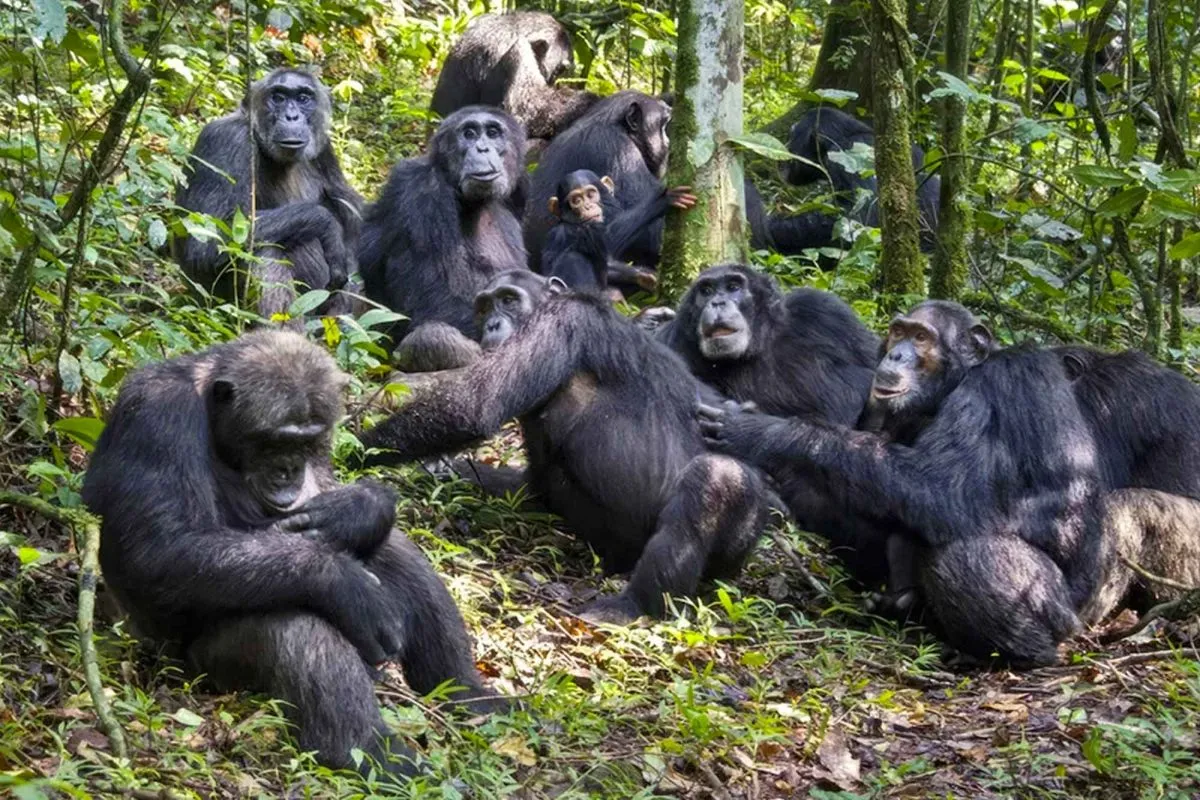
Young chimpanzees chase one another through the canopy while adults forage for fruit and groom one another peacefully.
The intelligence, curiosity, and social interactions of these remarkable primates leave lasting impressions on visitors from around the world.
Following lunch, continue to the Bigodi Wetland Sanctuary.
Unlike a traditional wildlife attraction, Bigodi is a community-managed conservation project where tourism directly benefits local residents.
Guided walks reveal colorful birds, monkeys, butterflies, and wetland ecosystems while community members explain how tourism has improved education, healthcare, and environmental conservation.
Many visitors describe Bigodi as one of Uganda’s finest examples of successful community tourism.
Accommodation: Eco-lodge near Kibale Forest
Meals: Breakfast, Lunch, Dinner
Day 4: Transfer to Queen Elizabeth National Park
Leave the rainforest behind and travel toward Queen Elizabeth National Park.
Along the route, changing landscapes reveal Uganda’s extraordinary ecological diversity.
Open grasslands gradually replace dense forests.
Volcanic crater lakes appear among rolling hills.
The scenery provides countless opportunities for photography.
An afternoon game drive introduces visitors to some of Uganda’s most iconic wildlife.
Sightings may include:
- African elephants.
- Cape buffalo.
- Uganda kob.
- Waterbuck.
- Warthogs.
- Hyenas.
- Lions, depending on wildlife movements.
- Numerous bird species.
As sunset colors spread across the savannah, travelers begin to appreciate why Uganda is often called the Pearl of Africa.
Accommodation: Safari lodge
Meals: Breakfast, Lunch, Dinner
Day 5: Kazinga Channel and Journey to Bwindi
Begin the morning with a relaxing boat cruise along the famous Kazinga Channel.
This remarkable waterway supports one of Africa’s highest concentrations of hippos.
Large crocodiles bask along the shoreline.
Elephants regularly visit the water’s edge.
Hundreds of birds create exceptional opportunities for wildlife photography.
Your guide explains the ecological importance of wetlands and freshwater conservation before continuing toward Bwindi Impenetrable National Park.
As the journey climbs into southwestern Uganda’s mountains, mist-covered forests gradually dominate the landscape.
By late afternoon, arrive at your rainforest lodge surrounded by one of Africa’s oldest forests.
Tomorrow’s gorilla trek becomes the focus of every conversation.
Accommodation: Forest lodge near Bwindi
Meals: Breakfast, Lunch, Dinner
Day 6: Gorilla Trekking in Bwindi Impenetrable National Park
Today is the experience that inspires travelers from around the world.
Following breakfast, proceed to the Uganda Wildlife Authority headquarters for registration and a comprehensive ranger briefing.
Visitors learn about gorilla behavior, conservation efforts, visitor regulations, and trekking safety.
Small groups enter the rainforest accompanied by experienced trackers.
The hike varies according to the location of the assigned gorilla family.
Along the trail, guides explain rainforest ecology while pointing out medicinal plants, birds, butterflies, and animal tracks.
Eventually, the trackers quietly signal that the gorillas have been located.
Ahead, a magnificent silverback watches calmly over his family.
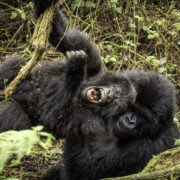
Nearby, juveniles wrestle playfully beneath towering trees.
A mother gently cradles her infant while another gorilla feeds peacefully on fresh vegetation.
Visitors spend one unforgettable hour observing these endangered animals.
Many describe this encounter as one of the most emotional wildlife experiences of their lives.
After the trek, return to the lodge to reflect on the extraordinary privilege of sharing space with one of humanity’s closest relatives.
Accommodation: Forest lodge near Bwindi
Meals: Breakfast, Packed Lunch, Dinner
Day 7: Community Tourism Around Bwindi
Today focuses entirely on the communities whose partnership has helped protect Uganda’s mountain gorillas.
Visitors spend the day participating in carefully selected cultural experiences.
Activities may include:
- Traditional coffee farming demonstrations.
- Basket weaving workshops.
- Local cooking experiences.
- Village walks.
- Cultural dance performances.
- Storytelling sessions.
- Visits to women’s cooperatives.
- Community craft markets.
Meeting local families allows travelers to understand how tourism creates employment while encouraging conservation.
Many residents explain how income generated through tourism has improved schools, healthcare services, clean water access, and household incomes.
Purchasing locally made crafts directly supports community development while preserving traditional skills.
These genuine interactions often become some of the most memorable experiences of the entire safari.
Accommodation: Forest lodge near Bwindi
Meals: Breakfast, Lunch, Dinner
Day 8: Batwa Cultural Experience and Nature Walk
Today introduces visitors to the remarkable heritage of the Batwa people, one of Uganda’s oldest indigenous communities.
Experienced Batwa guides share traditional knowledge about forest survival, medicinal plants, hunting techniques, music, and storytelling.
Rather than simply observing performances, visitors participate in authentic cultural activities while learning about the Batwa’s historic relationship with the rainforest.
The experience provides valuable insight into how cultural preservation and conservation now work together through responsible tourism.
During the afternoon, enjoy a guided nature walk around Bwindi’s forest edge, where your guide explains the unique plants, birds, and ecosystems that make this region globally significant.
Accommodation: Forest lodge near Bwindi
Meals: Breakfast, Lunch, Dinner
Day 9: Return to Entebbe
After breakfast, begin the return journey toward Entebbe.
A stop at the Equator offers excellent photography opportunities and time to purchase souvenirs from local artisans.
During the drive, your guide reflects on the conservation stories encountered throughout the safari.
Many travelers realize that their greatest memories include not only wildlife but also the welcoming communities they visited.
Arrive in Entebbe for your final overnight stay.
Accommodation: Hotel in Entebbe
Meals: Breakfast, Lunch, Dinner
Day 10: Departure
Enjoy breakfast before transferring to Entebbe International Airport.
Although your safari concludes today, the impact continues.
Your journey has supported wildlife conservation, community enterprises, sustainable tourism, and cultural preservation across Uganda.
The memories of mountain gorillas, playful chimpanzees, welcoming villages, and breathtaking landscapes will remain long after your flight home.
Meals: Breakfast
Practical Travel Information
Best Time to Visit
Community Tourism Uganda can be enjoyed throughout the year.
The most popular travel seasons are:
June to September
Ideal for:
- Gorilla trekking.
- Chimpanzee tracking.
- Wildlife photography.
- Community visits.
- Hiking.
December to February
Excellent for:
- Comfortable trekking conditions.
- Wildlife viewing.
- Scenic road trips.
- Cultural experiences.
The rainy seasons offer lush green landscapes, fewer visitors, vibrant forests, and outstanding photography opportunities.
Gorilla and Chimpanzee Permit Information
Gorilla trekking permits are limited and should be reserved several months before travel.
Chimpanzee permits are generally more available but should also be booked early, particularly during peak travel periods.
Chimps and Gorillas arranges all permits, accommodation reservations, transportation, and customized itineraries for a seamless travel experience.
What to Pack
Recommended items include:
- Waterproof hiking boots.
- Rain jacket.
- Long hiking trousers.
- Long-sleeved shirts.
- Gardening gloves.
- Small backpack.
- Reusable water bottle.
- Binoculars.
- Camera with spare batteries.
- Sunscreen.
- Insect repellent.
- Personal medications.
Why Travel with Chimps and Gorillas?
Chimps and Gorillas specializes in creating personalized journeys that combine wildlife conservation with authentic cultural experiences.
Guests benefit from:
- Professional safari planning.
- Experienced English-speaking guides.
- Carefully selected eco-friendly accommodations.
- Gorilla and chimpanzee permit reservations.
- Community tourism experiences.
- Private transportation.
- Flexible itineraries tailored to individual interests.
Many Chimps and Gorillas Reviews praise the company’s outstanding customer service, conservation values, knowledgeable guides, and carefully designed itineraries that create unforgettable experiences while supporting Uganda’s communities and wildlife.
Why Community Tourism Uganda Creates Meaningful Safaris
A safari in Uganda is often described as the adventure of a lifetime because of its extraordinary wildlife, breathtaking scenery, and welcoming people. While mountain gorillas and chimpanzees are undoubtedly the stars of the journey, many international travelers return home saying that the friendships they formed with local communities made their safari even more memorable.
Community Tourism Uganda transforms travel from simple sightseeing into meaningful participation. Instead of only visiting national parks, travelers spend time with the people who live alongside these protected forests. They learn traditional skills, share local meals, hear personal conservation stories, and discover how tourism directly improves livelihoods while protecting Uganda’s incredible biodiversity.
Every community visit becomes an opportunity to understand the close relationship between conservation and sustainable development.
When visitors purchase handmade crafts from local artisans, enjoy coffee experiences with farming families, participate in Batwa cultural tours, or stay in locally owned eco-lodges, they contribute directly to community development. Tourism revenue supports education, healthcare, clean water projects, women’s cooperatives, youth employment, and environmental conservation initiatives.
These experiences also strengthen wildlife conservation.
Communities that benefit from responsible tourism become long-term partners in protecting mountain gorillas, chimpanzees, forest ecosystems, and Uganda’s natural heritage. This collaborative approach has become one of Africa’s most successful conservation models and continues to inspire travelers from around the world.
Choosing Chimps and Gorillas means choosing a safari that goes beyond wildlife viewing. Every itinerary is thoughtfully designed to combine unforgettable primate encounters with authentic cultural experiences that create lasting memories while supporting local communities and conservation organizations.
Whether your dream is to stand quietly before a mountain gorilla family in Bwindi Impenetrable National Park, listen to the calls of wild chimpanzees in Kibale Forest, enjoy a traditional dance performance in a local village, or learn how organic Ugandan coffee is grown, every experience becomes part of a journey that benefits both people and wildlife.
Many visitors mention in Chimps and Gorillas Reviews that the balance between wildlife, culture, conservation, and exceptional hospitality is what makes their safari truly unforgettable.
Your adventure can become part of Uganda’s continuing conservation success story.
Plan Your Safari with Chimps and Gorillas and experience the perfect combination of wildlife, culture, and responsible tourism.
Request Itinerary today and allow our safari specialists to create a personalized journey that reflects your travel style while supporting Uganda’s communities and endangered wildlife.
Frequently Asked Questions
What is Community Tourism Uganda?
Community Tourism Uganda is a form of responsible travel that allows visitors to experience local culture while directly supporting communities living near national parks and conservation areas. Activities include village walks, coffee farm visits, cultural performances, craft workshops, Batwa experiences, and community-managed conservation projects.
Why is community tourism important?
Community tourism creates sustainable income for local families while encouraging conservation. Revenue generated through tourism supports education, healthcare, employment, environmental protection, and cultural preservation, reducing pressure on natural resources and strengthening long-term wildlife conservation.
Can community tourism be combined with gorilla trekking?
Yes. Many travelers combine community experiences with gorilla trekking in Bwindi Impenetrable National Park and chimpanzee tracking in Kibale Forest National Park. This combination provides a richer understanding of Uganda’s wildlife, people, and conservation efforts.
Is Community Tourism Uganda suitable for families?
Absolutely. Community experiences are suitable for families, couples, solo travelers, photographers, students, and educational groups. Many activities are interactive and allow visitors of all ages to engage with local traditions and conservation initiatives.
When is the best time to visit?
Uganda is a year-round destination.
The most popular travel seasons are:
- June to September
- December to February
These months generally offer drier trekking conditions and excellent wildlife viewing. However, community tourism experiences are available throughout the year.
How physically demanding is the itinerary?
Community activities such as village walks, coffee tours, and cultural visits require only moderate fitness. Gorilla trekking and chimpanzee tracking may involve several hours of hiking, depending on wildlife locations.
What should I pack?
Essential items include:
- Waterproof hiking boots.
- Lightweight rain jacket.
- Long-sleeved shirts.
- Long trousers.
- Gardening gloves.
- Camera.
- Binoculars.
- Reusable water bottle.
- Sunscreen.
- Insect repellent.
- Small daypack.
- Personal medications.
Why book with Chimps and Gorillas?
Chimps and Gorillas specializes in tailor-made primate safaris that combine wildlife conservation with authentic community tourism experiences.
Services include:
- Gorilla trekking permits.
- Chimpanzee tracking.
- Community tourism experiences.
- Cultural tours.
- Wildlife safaris.
- Birdwatching.
- Luxury, mid-range, and budget itineraries.
- Professional English-speaking guides.
- Private transportation.
- Personalized travel planning.
Why International Travelers Choose Chimps and Gorillas
Travelers consistently recommend Chimps and Gorillas because of its commitment to responsible tourism and exceptional guest experiences.
Highlights frequently mentioned in Chimps and Gorillas Reviews include:
- Personalized safari planning.
- Expert local guides with extensive wildlife knowledge.
- Reliable gorilla and chimpanzee permit arrangements.
- Carefully selected eco-friendly accommodations.
- Authentic cultural experiences.
- Comfortable private transportation.
- Flexible itineraries for individuals, couples, families, photographers, and groups.
- Strong conservation values.
- Outstanding customer support before, during, and after the safari.
Every itinerary is carefully crafted to ensure travelers experience Uganda’s wildlife while making a positive contribution to local communities.
Plan Your Safari with Chimps and Gorillas today.
Request Itinerary and let our experienced safari consultants design a personalized Community Tourism Uganda adventure that combines culture, conservation, gorilla trekking, chimpanzee tracking, and unforgettable wildlife encounters.
Contact Chimps and Gorillas
Website: www.chimpsandgorillas.com
Email: info@chimpsandgorillas.com
Contact our safari specialists to receive a personalized quotation, secure your gorilla permits, and begin planning an unforgettable Community Tourism Uganda experience.
Request Quote
Popular Trips
Rwanda
- 1 Day Rwanda Gorilla Trek
- 2 Day Akagera Safari from Kigali
- 2 Day Gorilla Trek Rwanda
- 3 Day Akagera National Park Safari
- 3 Day Gorilla Trekking Rwanda
- 4 Day Rwanda Gorilla Safari
- 5 Day Rwanda Gorilla and Golden Monkey
- 6 Day Rwanda Primates Safari
- 7 Day Rwanda Wildlife and Gorilla Safari
- 8 Day Classic Rwanda Safari Tour
Uganda
- 10 Day Uganda Safari Tour
- 12 Day Uganda Gorilla and Wildlife Safari
- 3 Day Gorilla Trekking Uganda
- 3 Day Gorilla Trekking Uganda from Kigali
- 3 Day Murchison Falls Safari
- 5 Day Gorilla and Chimpanzee Safari Uganda
- 5 Days Gorilla and wildlife safari
- 6 Days Gorilla, Chimps and Wildlife safari
- 7 Day Uganda Wildlife Safari
- 8 Days Uganda Safari
Recent Posts

6-Day Lifestyle Safari Itinerary

Common Safari Mistakes to Avoid in Uganda