Close Encounter with Silverback: Gorilla Trekking Experience in Uganda
Why Meeting a Silverback Changes Every Traveler
Few wildlife experiences compare to a Close Encounter with Silverback mountain gorillas in the wild. Standing quietly just a few meters from the dominant leader of a gorilla family is an emotional experience that leaves visitors with a deep appreciation for nature, conservation, and the remarkable intelligence of our closest relatives.
Uganda and Rwanda remain the only destinations where travelers can experience mountain gorillas in their natural habitat, while neighboring rainforests also offer exceptional chimpanzee tracking. Together, these primate encounters create one of Africa’s most rewarding safari adventures.
With Chimps and Gorillas, every safari is carefully planned to combine unforgettable wildlife encounters, experienced local guides, comfortable accommodations, and personalized service. Whether your dream is spending time with mountain gorillas in Bwindi Impenetrable National Park or observing energetic chimpanzees in Kibale Forest or Nyungwe National Park, every journey is designed around your interests.
Into the Heart of the Rainforest
Your adventure begins before sunrise.
Cool mountain air drifts through the forest as travelers gather for the morning briefing.
Experienced wildlife rangers explain trekking regulations, safety guidelines, and gorilla conservation before assigning each group to a habituated gorilla family.
Walking sticks are distributed.
Porters introduce themselves.
The excitement is impossible to hide.
Soon, your guide leads the group beneath towering rainforest trees where sunlight filters softly through the canopy.
Every step reveals something extraordinary.
Fresh footprints.
Broken bamboo.
Birdsong echoing through ancient trees.
Butterflies floating across narrow trails.
Towering ferns covered in morning dew.
The rainforest itself becomes part of the adventure.
Every minute brings you closer to one unforgettable moment.
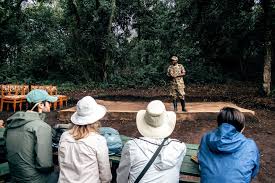
briefing
The First Sign of the Gorilla Family
After several hours of careful trekking, your guide quietly raises a hand.
Everyone stops.
Fresh nests.
Recently chewed vegetation.
A faint rustling ahead.
The trackers exchange quiet smiles.
The gorillas are close.
The group leaves the main trail and carefully walks through thick vegetation.
Nobody speaks.
Every heartbeat seems louder.
Suddenly, movement appears beneath a cluster of giant nettles.
A young gorilla climbs onto a fallen tree before disappearing into the forest.
Nearby, an adult female calmly feeds while carrying her infant.
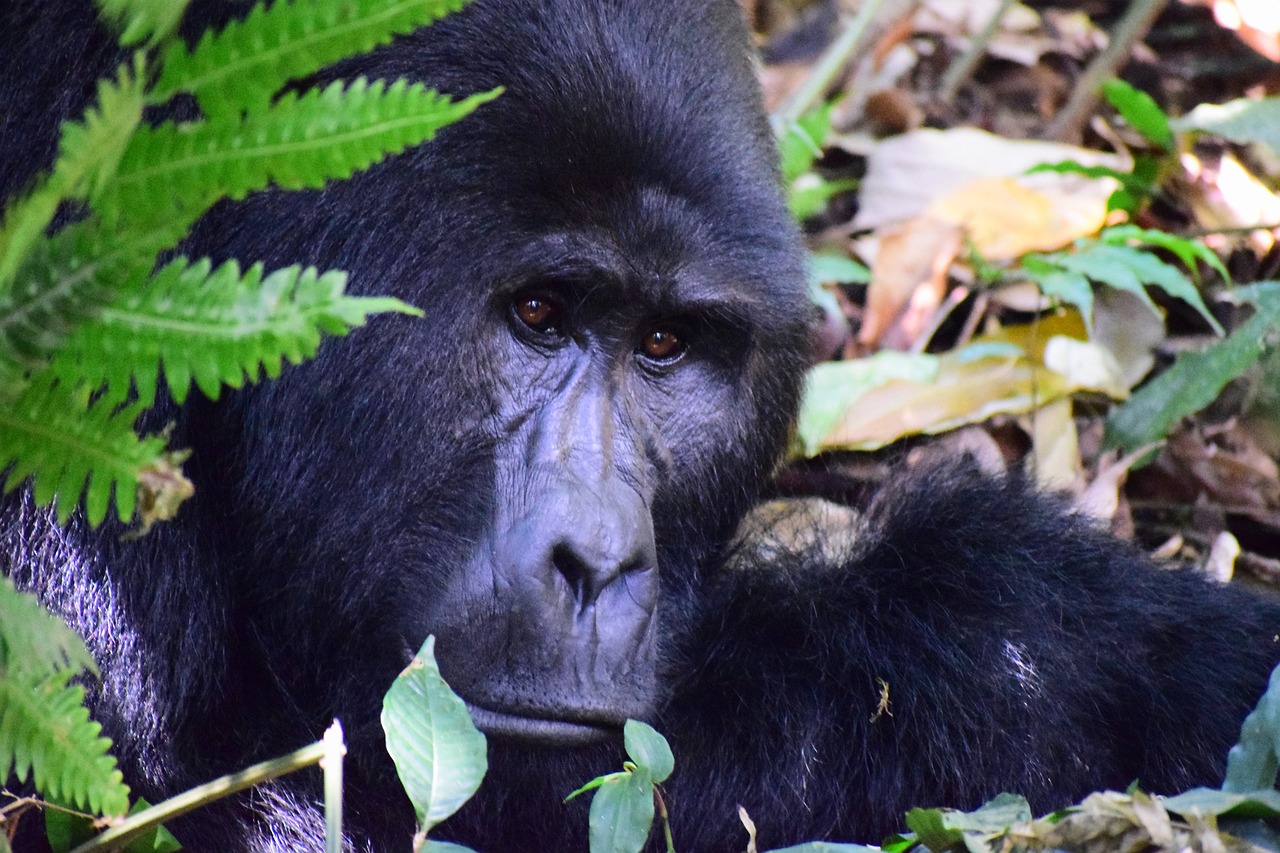
Then, the silverback emerges.
His broad shoulders reflect the soft forest light.
His calm expression immediately commands respect.
Rather than displaying aggression, he quietly watches over his family while continuing to feed.
For one unforgettable hour, visitors witness a world rarely seen by humans.
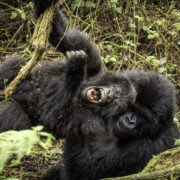
Young gorillas wrestle.
Mothers gently groom their infants.
Juveniles chase one another through the vegetation.
The silverback calmly maintains order, occasionally lifting his head to observe the surroundings.
Many travelers later admit that this single hour changed the way they see wildlife forever.
A Traveler’s Story
Mark and Sophie had traveled from Australia to celebrate their anniversary.
Although they expected an incredible wildlife encounter, nothing prepared them for the emotion of meeting a mountain gorilla family.
Their trek lasted nearly three hours through dense rainforest.
As they quietly entered a forest clearing, the silverback sat only a few meters away beneath a giant tree.
An infant climbed onto its mother’s back before tumbling playfully into the grass.
The silverback briefly looked toward the visitors before returning to feed.
Later that evening, Mark wrote in his travel journal:
“No documentary, photograph, or video can prepare you for a Close Encounter with Silverback gorillas. We felt like respectful guests inside their home.”
Sophie later described the experience as the highlight of every journey she had ever taken.
Why the Experience Feels So Personal
Unlike traditional game drives where wildlife is often viewed from a distance, gorilla trekking places visitors directly inside the rainforest.
There are no vehicles.
No fences.
No crowds.
Only experienced guides, dense forest, and one extraordinary gorilla family.
This creates a powerful emotional connection that is frequently mentioned in Chimps and Gorillas Reviews.
Guests often describe feelings of:
- Wonder.
- Respect.
- Gratitude.
- Humility.
- Peace.
- Inspiration.
Many travelers leave with a stronger commitment to wildlife conservation after witnessing mountain gorillas in their natural habitat.
Chimpanzees Complete the Adventure
While mountain gorillas provide peaceful encounters, chimpanzees offer a completely different perspective on primate behavior.
Tracking chimpanzees through Kibale Forest National Park or Nyungwe National Park introduces visitors to energetic forest communities filled with constant movement and vocal communication.
The forest suddenly comes alive.
Pant-hoots echo through the canopy.
Chimpanzees race effortlessly between towering trees.
Young individuals chase one another while adults groom, feed, and communicate using remarkably human-like expressions.
Experiencing both gorillas and chimpanzees during the same safari creates a richer understanding of Africa’s incredible primates.
Why Choose Chimps and Gorillas?
Every safari with Chimps and Gorillas includes:
- Personalized safari planning.
- Gorilla permit assistance.
- Chimpanzee tracking permits.
- Professional English-speaking guides.
- Comfortable 4×4 safari vehicles.
- Carefully selected lodges.
- Airport transfers.
- Flexible itineraries.
- Responsible tourism experiences.
- Exceptional customer support.
These qualities consistently appear in Chimps and Gorillas Reviews, where travelers praise the company’s professionalism, wildlife expertise, and attention to detail.
Throughout your safari, you’ll also have opportunities to Plan Your Safari for future destinations or Request Itinerary options that combine gorilla trekking with chimpanzees, wildlife safaris, birdwatching, or cultural experiences.
The Moment You Stand Face-to-Face with a Silverback
Every Close Encounter with Silverback begins with anticipation, but no two encounters are ever the same. The location of the gorilla family changes daily as they move through the rainforest in search of fresh vegetation, fruits, and resting places. This means every trek is unique, adding to the excitement of the experience.
After hours of hiking beneath towering trees, your ranger suddenly slows down. The trackers ahead have located the gorilla family.
The forest becomes silent.
Visitors carefully leave the trail and step through thick undergrowth.
Only the sounds of birds and gently moving leaves remain.
Then, the forest opens.
There he is.
The silverback.
Massive in size yet remarkably calm.
He sits quietly while watching over his family with confidence and authority.
Around him, mothers feed peacefully, infants play without concern, and younger gorillas climb nearby branches before tumbling into soft vegetation.
It is impossible not to feel humbled.
Most travelers instinctively lower their cameras for a moment, choosing instead to simply observe.
That quiet connection is what so many guests later describe as the highlight of their entire African journey.
An Unforgettable Morning in Bwindi
Sarah and Daniel had traveled from the United Kingdom after dreaming about gorilla trekking for more than ten years.
Their guide from Chimps and Gorillas collected them early in the morning before driving to the briefing point in Bwindi Impenetrable National Park.
Following the ranger briefing, they began trekking through dense rainforest.
The trail crossed small streams, climbed gentle hills, and wound through thick vegetation.
After nearly three hours, the lead tracker received a radio message.
The gorillas had settled in a nearby clearing.
The group approached quietly.
The first gorilla they saw was a playful juvenile chewing on fresh bamboo.
Nearby, a mother carefully groomed her infant.
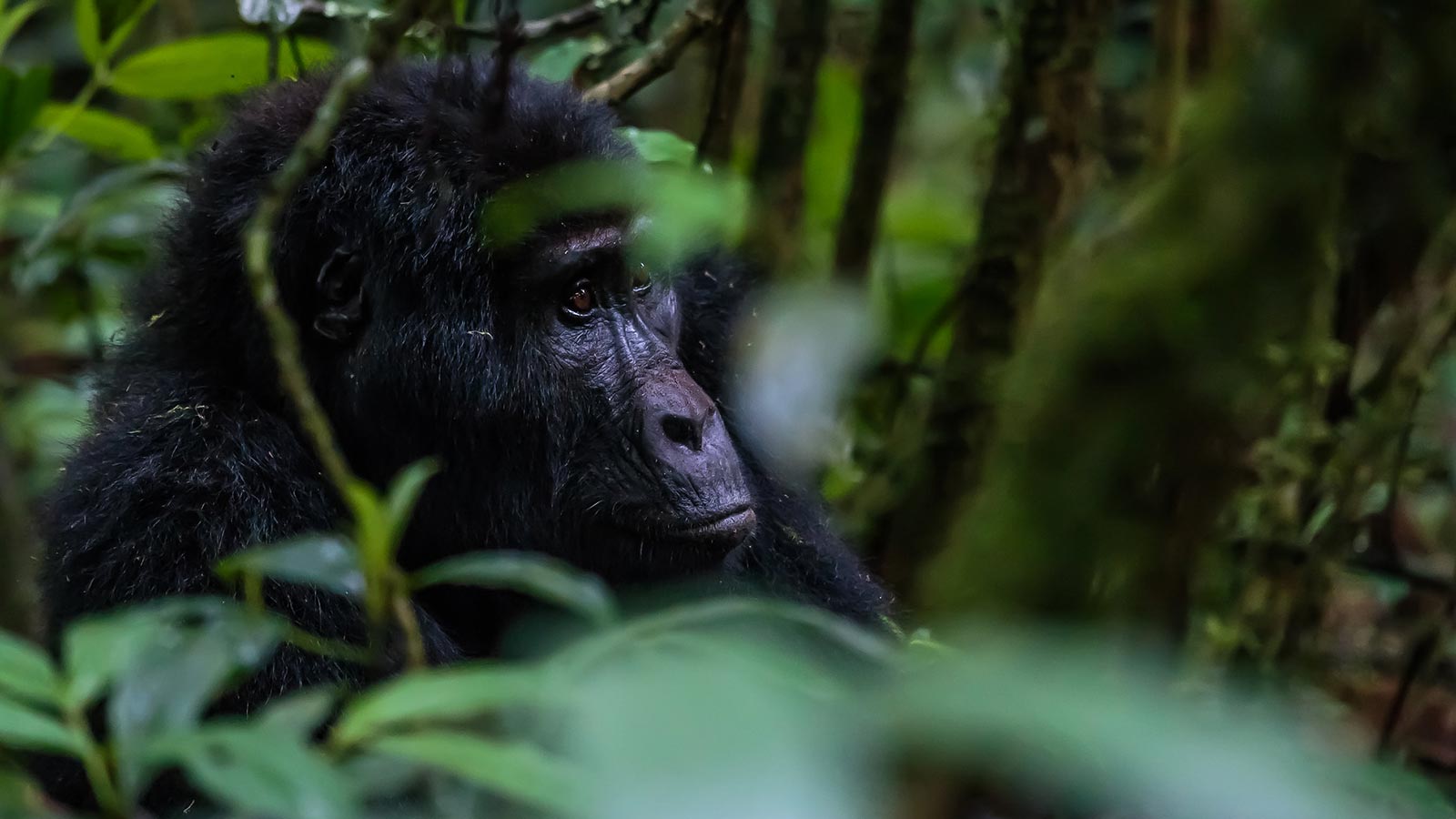
Moments later, the silverback slowly stood.
His powerful frame immediately captured everyone’s attention.
Instead of showing aggression, he calmly walked a short distance before sitting beneath another tree.
Sarah later wrote:
“I expected excitement, but what I felt was peace. Watching a silverback protect his family reminded me how closely connected we are to nature.”
Daniel added:
“The professionalism of our guides made every moment comfortable. We never felt rushed and always understood how to behave respectfully around the gorillas.”
Their story later became one of many outstanding Chimps and Gorillas Reviews shared by international travelers.
The Silverback’s Role Within the Family
One reason a Close Encounter with Silverback leaves such a lasting impression is the opportunity to observe the complex social structure of mountain gorillas.
A mature silverback is far more than the largest member of the family.
He serves as:
- Protector of the group.
- Decision-maker during daily movements.
- Mediator during conflicts.
- Guardian of infants.
- Leader during feeding.
- Defender against potential threats.
Despite their enormous strength, silverbacks spend much of the day feeding, resting, grooming, and quietly interacting with other family members.
Visitors are often surprised by how gentle and patient these powerful primates appear.
Watching the silverback respond calmly to playful juveniles or comfort younger gorillas offers remarkable insight into their social lives.
Chimpanzees Add Another Dimension
After experiencing mountain gorillas, many visitors continue to Kibale Forest National Park or Nyungwe National Park for chimpanzee tracking.
The contrast is extraordinary.
Where gorillas move deliberately, chimpanzees rarely remain still.
The rainforest suddenly fills with energy.
Branches sway overhead.
Loud pant-hoots echo through the canopy.
Young chimpanzees chase one another through towering trees while adults feed, groom, and communicate using expressive facial gestures and vocal calls.
Many guests say seeing both species during one safari provides a deeper appreciation of Africa’s remarkable primates.
Together, they showcase two very different lifestyles while highlighting the importance of protecting tropical rainforests.
Wildlife Beyond the Primates
Although gorillas and chimpanzees are the stars of the safari, Uganda and Rwanda’s forests support an astonishing variety of wildlife.
During your trek, you may also encounter:
- Black-and-white colobus monkeys.
- Blue monkeys.
- L’Hoest’s monkeys.
- Great blue turacos.
- African green broadbills.
- Forest hornbills.
- Sunbirds.
- Chameleons.
- Colorful butterflies.
- Rare orchids.
- Giant tree ferns.
These sightings make every walk through the rainforest rewarding, even before reaching the primates.
Guests frequently mention the forest’s biodiversity in Chimps and Gorillas Reviews, describing the journey itself as equally memorable as the destination.
Photography Tips for Your Encounter
Photographing mountain gorillas requires patience rather than speed.
Professional guides from Chimps and Gorillas help guests position themselves respectfully while ensuring minimal disturbance to the gorilla family.
For the best results:
- Use a fast lens for low-light rainforest conditions.
- Increase ISO instead of using flash.
- Keep camera movements slow and quiet.
- Focus on natural behaviors rather than posed images.
- Capture interactions between family members.
- Spend time observing before taking photographs.
- Respect the recommended viewing distance.
Many award-winning wildlife photographs have been taken during gorilla treks, but the strongest memories often come from simply watching without looking through a viewfinder.
Practical Planning Information
Preparing well allows you to enjoy every moment of your safari.
Best Time to Visit
Mountain gorilla and chimpanzee trekking are available throughout the year.
The most popular travel periods are:
- June to September.
- December to February.
These months generally provide drier trails.
The wetter months offer lush rainforest scenery, fewer visitors, and beautiful photography conditions.
Fitness Requirements
A moderate level of fitness is recommended.
Treks vary depending on the gorilla family’s location and may include:
- Forest hiking.
- Steep slopes.
- Muddy trails.
- Uneven terrain.
- Moderate climbing.
Your guide adjusts the pace to suit the group, ensuring a safe and enjoyable experience.
What to Pack
Bring:
- Waterproof hiking boots.
- Long hiking trousers.
- Moisture-wicking shirts.
- Lightweight waterproof jacket.
- Gardening gloves.
- Daypack.
- Camera with extra batteries.
- Binoculars.
- Water bottle.
- Energy snacks.
- Sunscreen.
- Insect repellent.
Hiring a porter is strongly recommended.
Besides making the trek easier, it provides direct employment opportunities for local communities that help protect gorilla habitats.
Why Travelers Choose Chimps and Gorillas
Guests consistently recommend Chimps and Gorillas because of the company’s dedication to quality and personalized service.
Every safari includes:
- Expert itinerary planning.
- Gorilla permit reservations.
- Chimpanzee tracking permits.
- Professional local safari guides.
- Comfortable 4×4 transportation.
- Carefully selected lodges.
- Airport transfers.
- Flexible travel arrangements.
- Conservation-focused experiences.
- Responsive customer support.
Whether you are planning your first gorilla trek or returning for another primate adventure, Chimps and Gorillas ensures every detail is professionally managed from beginning to end.
Throughout your journey, you can also Plan Your Safari for future East African adventures or Request Itinerary options tailored to your preferred travel dates, destinations, and budget.
A 6-Day Close Encounter with Silverback Safari Itinerary
A carefully planned itinerary allows you to experience the very best of East Africa’s primates while enjoying breathtaking landscapes, comfortable accommodations, and meaningful wildlife encounters. This six-day safari combines mountain gorilla trekking with chimpanzee tracking, offering an unforgettable journey through Uganda’s ancient rainforests with Chimps and Gorillas.
Day 1: Arrival at Entebbe International Airport
Your safari begins with a warm welcome at Entebbe International Airport by a professional guide from Chimps and Gorillas.
After a short briefing, transfer to your hotel where you can relax after your international flight.
Depending on your arrival time, optional activities include:
- Visit the Uganda Wildlife Education Centre.
- Explore the Entebbe Botanical Gardens.
- Enjoy a sunset walk along Lake Victoria.
- Sample authentic Ugandan cuisine.
During the evening, your safari guide explains the upcoming adventure, discusses gorilla trekking etiquette, and answers any questions about permits, weather, packing, and photography.
Accommodation: Entebbe
Meals: Dinner (depending on arrival time)
Day 2: Transfer to Kibale Forest National Park
Following breakfast, depart for western Uganda.
The scenic drive passes tea estates, crater lakes, rural villages, and rolling hills before reaching Kibale Forest National Park.
Along the journey, your guide shares fascinating insights into Uganda’s biodiversity, culture, and conservation initiatives.
After checking into your forest lodge, relax while enjoying views of the surrounding rainforest.
The evening offers an opportunity to listen to the sounds of nocturnal wildlife before tomorrow’s chimpanzee adventure.
Driving Time: Approximately 5–6 hours
Meals: Breakfast, Lunch, Dinner
Day 3: Chimpanzee Tracking and Bigodi Wetland Sanctuary
Rise early for breakfast before heading to the Kanyanchu Visitor Centre.
Following a briefing from Uganda Wildlife Authority rangers, begin your guided chimpanzee tracking experience.
The rainforest awakens with life.
Birds sing overhead.
Sunlight filters through towering trees.
Suddenly, loud pant-hoots echo through the forest.
Your guide points toward movement in the canopy.
A troop of chimpanzees races through the branches with incredible speed.
Adults feed on wild fruits.
Young chimpanzees chase each other playfully.
Mothers carry infants while grooming nearby family members.
Watching these intelligent primates communicate and interact naturally provides an unforgettable contrast to the peaceful behavior of mountain gorillas.
After lunch, visit the Bigodi Wetland Sanctuary, where community conservation protects rich birdlife, monkeys, butterflies, and unique wetland ecosystems.
Meals: Breakfast, Lunch, Dinner
Wildlife Storytelling: The Forest Comes Alive
One guest described Kibale Forest as a place where every sound tells a story.
As the group quietly followed fresh chimpanzee calls, a dominant male suddenly appeared overhead.
He paused briefly before releasing a powerful pant-hoot that echoed through the forest.
Within moments, dozens of chimpanzees responded.
The forest erupted with movement.
Branches swayed.
Leaves fell.
Young chimpanzees leaped effortlessly through the canopy while adults gathered around fruiting trees.
Guests later described the encounter as one of the most exciting wildlife experiences of their lives.
Day 4: Kibale Forest to Bwindi Impenetrable National Park
After breakfast, continue south toward Bwindi Impenetrable National Park.
The route passes through Queen Elizabeth National Park, where lucky travelers may spot elephants, buffalo, Uganda kob, warthogs, and occasionally tree-climbing lions in the Ishasha sector.
Continue through the beautiful Kigezi Highlands before arriving at your lodge overlooking Bwindi Forest.
As evening mist settles over the rainforest, anticipation grows for tomorrow’s long-awaited gorilla trek.
Driving Time: Approximately 6–7 hours
Meals: Breakfast, Lunch, Dinner
Day 5: Close Encounter with Silverback
Today is the highlight of your safari.
Following an early breakfast, transfer to the Uganda Wildlife Authority headquarters for registration and a comprehensive briefing.
Small trekking groups are assigned to different habituated gorilla families.
Your ranger guide leads the group into Bwindi’s dense rainforest.
The trail winds through towering trees, bamboo, giant ferns, and moss-covered vegetation.
Fresh nests indicate the gorillas rested nearby during the previous night.
Broken branches suggest they have already begun feeding.
The guide quietly slows the group.
Just ahead sits the silverback.
Powerful.
Calm.
Completely at ease.
He watches over his family while juveniles wrestle nearby.
An infant climbs onto its mother’s back before curiously observing the visitors.
For one unforgettable hour, you witness behaviors rarely seen anywhere else on Earth.
No barriers.
No vehicles.
Only respectful visitors sharing the forest with one of the world’s rarest primates.
Many guests later describe this Close Encounter with Silverback as the defining moment of their African adventure.
After returning from the trek, receive your official Gorilla Trekking Certificate before celebrating your achievement back at the lodge.
Meals: Breakfast, Packed Lunch, Dinner
Wildlife Storytelling: A Moment of Silent Connection
As the group quietly observed the gorilla family, the silverback slowly lifted his head.
For a brief moment, he looked directly toward the visitors.
Nobody moved.
Nobody spoke.
The forest remained completely silent.
Then, without concern, he continued feeding while a playful juvenile climbed across his broad shoulders.
Later, one traveler reflected:
“That single glance reminded me that we were visitors in their world. It was not frightening—it was deeply humbling.”
Experiences like these continue to inspire exceptional Chimps and Gorillas Reviews from travelers around the world.
Day 6: Return to Entebbe
Following breakfast, begin the return journey to Entebbe.
Stop at the Uganda Equator for photographs, souvenir shopping, and lunch.
Depending on your international departure schedule, transfer directly to Entebbe International Airport for your onward flight.
Leave Uganda with unforgettable memories of mountain gorillas, chimpanzees, spectacular rainforests, and meaningful conservation experiences.
Meals: Breakfast and Lunch
Practical Travel Information
Planning ahead helps ensure your safari is enjoyable and stress-free.
Estimated Safari Costs
The overall cost depends on:
- Gorilla trekking permit fees.
- Chimpanzee tracking permits.
- Accommodation standard.
- Transportation.
- Group size.
- Safari duration.
- Optional cultural activities.
Chimps and Gorillas offers customized itineraries suitable for budget, mid-range, and luxury travelers, ensuring exceptional value while maintaining high-quality service.
Best Time to Visit
Gorilla trekking and chimpanzee tracking are available throughout the year.
The most popular months include:
- June to September.
- December to February.
These periods generally provide drier hiking conditions.
The rainy seasons reward visitors with lush forests, fewer crowds, and outstanding photography opportunities.
Fitness Level
Most travelers with moderate fitness successfully complete gorilla and chimpanzee treks.
The duration depends on the location of the primates and can range from one to several hours.
Hiring a porter is highly recommended for additional assistance and to support local communities.
Accommodation Experience
Chimps and Gorillas carefully selects lodges that provide comfort while keeping guests close to nature.
Visitors enjoy:
- Spacious ensuite rooms.
- Fresh local cuisine.
- Beautiful forest views.
- Warm hospitality.
- Comfortable lounges.
- Easy access to trekking headquarters.
- Peaceful surroundings ideal for relaxation after each adventure.
Many travelers mention the quality of accommodation as another highlight of their safari experience.
Why Book with Chimps and Gorillas?
Travelers consistently recommend Chimps and Gorillas because of its:
- Expert safari consultants.
- Personalized itineraries.
- Professional English-speaking guides.
- Comfortable safari vehicles.
- Reliable permit arrangements.
- Carefully selected accommodations.
- Excellent customer communication.
- Flexible scheduling.
- Responsible tourism practices.
- Outstanding attention to detail.
Whether you dream of standing face-to-face with a silverback or listening to chimpanzees calling through ancient rainforest, Chimps and Gorillas ensures every safari is planned with care and expertise.
Throughout your journey, you can also explore additional destinations by choosing to Plan Your Safari or Request Itinerary options that combine gorilla trekking with wildlife safaris, birdwatching, golden monkey trekking, or cultural experiences.
Conclusion
A Close Encounter with Silverback is far more than a wildlife activity—it is a deeply personal experience that changes the way many travelers see nature, conservation, and the remarkable connection between humans and great apes. Standing quietly in the heart of an ancient rainforest while a magnificent silverback calmly watches over his family is a privilege few people will ever experience.
Whether your adventure takes you to Bwindi Impenetrable National Park or Mgahinga Gorilla National Park in Uganda, or you combine your journey with chimpanzee tracking in Kibale Forest National Park, every moment contributes to an unforgettable safari filled with discovery, emotion, and respect for Africa’s incredible biodiversity.
A silverback’s quiet leadership, the playful curiosity of young gorillas, and the energetic behavior of wild chimpanzees create memories that remain vivid long after the journey ends. These encounters also highlight the importance of conservation, as every visitor directly supports habitat protection, wildlife research, ranger patrols, veterinary care, and community development through responsible tourism.
With Chimps and Gorillas, your safari is carefully designed to deliver authentic wildlife encounters, professional guiding, comfortable accommodations, and seamless travel planning. Every itinerary is personalized to match your travel dates, interests, fitness level, and budget, ensuring an exceptional experience from arrival to departure.
If witnessing mountain gorillas in their natural habitat has always been on your travel bucket list, now is the perfect time to make that dream a reality.
Plan Your Safari with Chimps and Gorillas today.
Request Itinerary and let our experienced safari specialists create a personalized gorilla and chimpanzee adventure that exceeds your expectations.
Frequently Asked Questions
Where can I have a Close Encounter with Silverback gorillas?
The best destinations are Bwindi Impenetrable National Park and Mgahinga Gorilla National Park in Uganda. Both parks protect habituated mountain gorilla families that visitors can observe during guided trekking experiences.
Can I combine gorilla trekking with chimpanzee tracking?
Yes. Many travelers combine gorilla trekking in Bwindi or Mgahinga with chimpanzee tracking in Kibale Forest National Park, creating a complete primate safari that showcases two of Africa’s most remarkable species.
How close can visitors get to a silverback?
Visitors are generally required to maintain a distance of about 7 meters (23 feet) from the gorillas whenever possible. However, because gorillas move freely in their natural habitat, they may occasionally choose to come closer. Rangers carefully manage these encounters to prioritize the safety and well-being of both visitors and the gorillas.
Is gorilla trekking safe?
Yes. Gorilla trekking is very safe when conducted with experienced Uganda Wildlife Authority or Rwanda Development Board rangers. Visitors receive a comprehensive safety briefing before entering the forest and must follow all instructions throughout the trek.
How physically demanding is gorilla trekking?
Treks range from easy to challenging depending on the location of the gorilla family. Hiking may last between one and six hours over uneven forest trails, steep hills, and muddy terrain. A moderate level of fitness is recommended.
What should I pack?
Essential items include:
- Waterproof hiking boots.
- Long hiking trousers.
- Long-sleeved shirts.
- Lightweight waterproof jacket.
- Gardening gloves.
- Small backpack.
- Camera with spare batteries.
- Binoculars.
- Reusable water bottle.
- Energy snacks.
- Sunscreen.
- Insect repellent.
Is hiring a porter worthwhile?
Absolutely. Hiring a porter makes the trek more comfortable by assisting with backpacks and providing support on steep sections. It also creates employment opportunities for communities living around the national parks.
What is the best time to visit?
Gorilla trekking and chimpanzee tracking take place throughout the year.
The most popular travel seasons are:
- June to September.
- December to February.
The rainy seasons also provide rewarding experiences with greener forests, fewer visitors, and excellent photography conditions.
How far in advance should I book?
Because gorilla permits are limited, booking several months ahead is strongly recommended, particularly for travel during peak seasons.
Why choose Chimps and Gorillas?
Chimps and Gorillas specializes in tailor-made gorilla and chimpanzee safaris across Uganda and Rwanda. The company provides expert itinerary planning, permit assistance, professional guides, carefully selected accommodations, comfortable transportation, and outstanding customer service from beginning to end.
Why Travelers Choose Chimps and Gorillas
Thousands of travelers trust Chimps and Gorillas because of the company’s commitment to delivering exceptional primate safaris built around quality, safety, and personalized service.
Guests consistently highlight:
- Tailor-made gorilla and chimpanzee itineraries.
- Professional English-speaking safari guides.
- Expert gorilla permit management.
- Comfortable 4×4 safari vehicles.
- Carefully selected luxury, mid-range, and budget lodges.
- Reliable airport transfers.
- Flexible travel planning.
- Responsible tourism that supports conservation.
- Excellent communication before and during the safari.
- Outstanding attention to detail.
Positive Chimps and Gorillas Reviews frequently mention the professionalism of the guides, smooth logistics, and unforgettable wildlife encounters that define every journey.
Whether you are traveling solo, as a couple, with family, or as part of a photography expedition, Chimps and Gorillas ensures your safari is expertly planned and truly memorable.
Final Call to Action
Imagine standing quietly beneath the towering trees of an ancient rainforest as a magnificent silverback watches over his family just a few meters away. Listen to the gentle sounds of feeding gorillas, observe playful infants exploring their surroundings, and later experience the excitement of tracking wild chimpanzees through lush tropical forests. These are the moments that define a truly extraordinary African safari.
With Chimps and Gorillas, every journey is carefully crafted to provide authentic wildlife encounters, exceptional service, and unforgettable memories. From securing gorilla permits to selecting outstanding lodges and providing experienced guides, every detail is managed with professionalism and care.
Whether your goal is a once-in-a-lifetime Close Encounter with Silverback, an exciting chimpanzee tracking adventure, or a complete East African primate safari, Chimps and Gorillas is ready to help you experience the very best of Uganda and Rwanda.
Plan Your Safari today and discover why travelers from around the world continue to leave outstanding Chimps and Gorillas Reviews after their unforgettable primate adventures.
Request Itinerary now and let the expert team at Chimps and Gorillas design a personalized safari that perfectly matches your travel dates, interests, accommodation preferences, and budget.
Contact Chimps and Gorillas
Website: https://www.chimpsandgorillas.com
Email: info@chimpsandgorillas.com
WhatsApp: +256 774 532 841
Request Quote
Popular Trips
Rwanda
- 1 Day Rwanda Gorilla Trek
- 2 Day Akagera Safari from Kigali
- 2 Day Gorilla Trek Rwanda
- 3 Day Akagera National Park Safari
- 3 Day Gorilla Trekking Rwanda
- 4 Day Rwanda Gorilla Safari
- 5 Day Rwanda Gorilla and Golden Monkey
- 6 Day Rwanda Primates Safari
- 7 Day Rwanda Wildlife and Gorilla Safari
- 8 Day Classic Rwanda Safari Tour
Uganda
- 10 Day Uganda Safari Tour
- 12 Day Uganda Gorilla and Wildlife Safari
- 3 Day Gorilla Trekking Uganda
- 3 Day Gorilla Trekking Uganda from Kigali
- 3 Day Murchison Falls Safari
- 5 Day Gorilla and Chimpanzee Safari Uganda
- 5 Days Gorilla and wildlife safari
- 6 Days Gorilla, Chimps and Wildlife safari
- 7 Day Uganda Wildlife Safari
- 8 Days Uganda Safari
Recent Posts
6-Day Lifestyle Safari Itinerary

Common Safari Mistakes to Avoid in Uganda