Eco-Friendly Gorilla and Chimp Adventures: The Ultimate Sustainable Primate Safari Guide
Eco-Friendly Gorilla and Chimp Adventures for Responsible Travelers
Few wildlife experiences compare to standing quietly in an ancient rainforest while a family of mountain gorillas peacefully goes about its daily life. Watching a powerful silverback protect his family, seeing playful young gorillas climbing through the vegetation, or listening to wild chimpanzees calling from the forest canopy creates memories that stay with travelers for a lifetime. These extraordinary encounters become even more meaningful when visitors know their journey contributes directly to wildlife conservation and community development.
An increasing number of international travelers are choosing Eco-Friendly Gorilla and Chimp Adventures because they want their holidays to leave a positive impact. Rather than simply visiting national parks, they seek experiences that help protect endangered species, preserve fragile ecosystems, and improve livelihoods for local communities. Uganda has become one of Africa’s leading destinations for sustainable wildlife tourism, offering exceptional opportunities to see mountain gorillas and chimpanzees while supporting long-term conservation initiatives.
Chimps and Gorillas specializes in creating carefully planned Eco-Friendly Gorilla and Chimp Adventures that combine unforgettable wildlife encounters with responsible tourism principles. Every itinerary is designed to minimize environmental impact while maximizing benefits for conservation projects and nearby communities. From arranging officially licensed gorilla permits to selecting environmentally responsible lodges and experienced local guides, every detail supports sustainable travel.
Eco-Friendly Gorilla and Chimp Adventures are much more than choosing environmentally conscious accommodation. It begins with respecting wildlife, following park regulations, reducing waste, supporting local businesses, and learning about conservation efforts. Every responsible decision made during a safari helps ensure that future generations will also have the opportunity to experience Africa’s remarkable biodiversity.
When travelers choose sustainable adventures, they become active participants in conservation. Every gorilla permit purchased, every community project visited, and every locally owned lodge selected contributes toward protecting Uganda’s forests and the remarkable wildlife that depends on them.
Why Sustainable Tourism Matters for Gorillas and Chimpanzees
Mountain gorillas and chimpanzees are among our closest living relatives. They share many behavioral and genetic similarities with humans, making encounters with these primates deeply emotional and educational. Their survival, however, depends entirely on healthy forest ecosystems and continued conservation efforts.
For decades, these species have faced significant threats, including habitat loss, illegal wildlife activities, disease transmission, and increasing pressure from expanding human populations. Conservation organizations, government agencies, researchers, local communities, and responsible tourism operators have worked together to reverse these trends.
Today, Uganda stands as one of the world’s greatest conservation success stories. Carefully managed tourism has contributed significantly to increasing mountain gorilla populations while protecting important chimpanzee habitats.
Unlike mass tourism destinations, gorilla trekking is strictly regulated. Only a limited number of visitors may track each habituated gorilla family every day. These restrictions help reduce stress on wildlife while ensuring tourism remains sustainable.
Chimpanzee tracking follows similar principles. Guided by experienced park rangers, visitors observe chimpanzees from a respectful distance while following strict conservation guidelines designed to protect both wildlife and people.
These carefully managed experiences demonstrate that tourism can become one of conservation’s strongest allies when it is planned responsibly.
Uganda’s Rainforests: The Heart of Sustainable Primate Tourism
Uganda is home to two of Africa’s most important primate habitats.
Bwindi Impenetrable National Park protects nearly half of the world’s remaining mountain gorillas. This ancient rainforest is recognized internationally for its exceptional biodiversity and ecological importance.
The forest contains:
- Hundreds of tree species.
- Rare orchids and medicinal plants.
- More than 350 bird species.
- Forest elephants.
- Butterflies and reptiles.
- Endangered mountain gorillas.
Its global significance has earned recognition from the UNESCO World Heritage Centre, highlighting the importance of protecting this unique ecosystem for future generations.
Kibale Forest National Park offers a completely different yet equally rewarding experience. Often referred to as the “Primate Capital of the World,” Kibale supports one of Africa’s highest concentrations of primates, including thriving chimpanzee communities.
Walking through Kibale Forest is unlike any ordinary nature walk.
Towering trees filter the morning sunlight.
Colorful birds move between branches.
Butterflies drift quietly through forest clearings.
Suddenly, distant chimpanzee calls echo across the canopy.
The guide pauses.
Everyone listens carefully.
Moments later, a family of chimpanzees appears high in the trees before descending closer to the forest floor.
Watching their intelligence, communication, and social interactions provides a deeper appreciation for why these forests deserve careful protection.
How Eco-Friendly Safaris Support Conservation
Many travelers wonder how their holiday contributes to wildlife protection.
The answer lies in the conservation model that supports Uganda’s protected areas.
Revenue generated through responsible tourism helps finance numerous conservation activities, including:
- Wildlife monitoring.
- Ranger patrols.
- Veterinary care.
- Forest habitat protection.
- Scientific research.
- Community education.
- Conservation awareness programs.
Official gorilla trekking permits issued through the Uganda Wildlife Authority (UWA) provide direct financial support for managing Uganda’s national parks and protecting endangered wildlife.
Conservation partnerships involving organizations such as the International Gorilla Conservation Programme continue strengthening mountain gorilla protection through research, habitat management, and collaboration with surrounding communities.
These conservation initiatives demonstrate that responsible tourism creates lasting value far beyond the visitor experience.
Meeting a Silverback: An Encounter That Changes Perspectives
Many guests traveling with Chimps and Gorillas describe their first encounter with a silverback gorilla as one of the most emotional moments of their lives.
The morning usually begins early.
After a briefing from experienced park rangers, small trekking groups enter the rainforest.
The trail winds through thick vegetation, across streams, and beneath towering trees covered with moss and vines.
Every sound becomes significant.
A distant rustle.
Broken branches.
Fresh footprints left by the gorilla family.
The trackers quietly signal everyone to slow down.
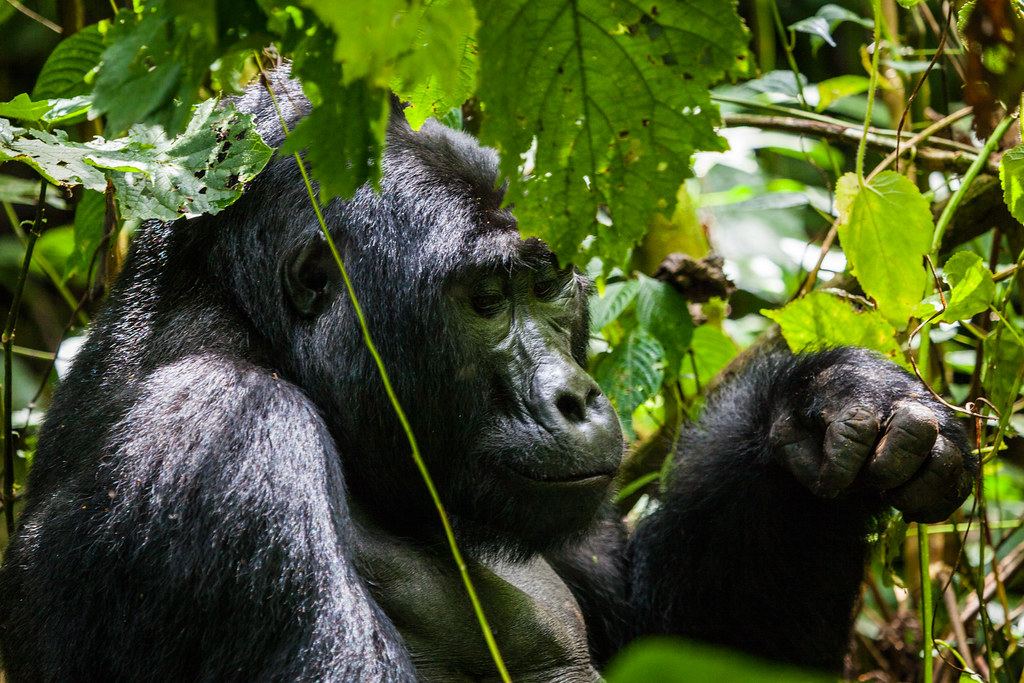
Ahead, partially hidden among dense vegetation, sits an enormous silverback.
His calm confidence fills the forest.
Nearby, young gorillas tumble over one another while their mothers patiently groom them.
The silverback occasionally raises his head to observe the visitors before returning to his family.
For one unforgettable hour, time seems to stand still.
There are no barriers.
No cages.
Only respectful observation between humans and one of the world’s most extraordinary wildlife species.
Many travelers leave the forest with a renewed appreciation for conservation and a stronger commitment to protecting nature.
Experiences like these explain why eco-friendly tourism has become such a powerful force for wildlife conservation.
Why Choose Chimps and Gorillas?
Chimps and Gorillas designs sustainable safari experiences that balance adventure, conservation, and cultural understanding.
Services include:
- Gorilla trekking permits.
- Chimpanzee tracking experiences.
- Eco-friendly safari planning.
- Private transportation.
- Experienced English-speaking guides.
- Carefully selected eco-lodges.
- Customized itineraries.
- Conservation-focused travel experiences.
Many travelers highlight in Chimps and Gorillas Reviews the company’s knowledgeable guides, excellent organization, personalized service, and commitment to responsible tourism.
Whether you are planning your first safari or returning to Africa, Chimps and Gorillas helps create journeys that benefit both travelers and wildlife.
Sustainable Travel Practices That Protect Uganda’s Wildlife
Choosing Eco-Friendly Gorilla and Chimp Adventures means making travel decisions that actively support conservation instead of placing additional pressure on fragile ecosystems. Sustainable tourism is not a single action but a collection of thoughtful choices made before, during, and after your safari. These choices help protect endangered primates, preserve Uganda’s forests, reduce environmental impact, and ensure tourism benefits the people who live alongside wildlife.
Every responsible traveler becomes a conservation partner.
From selecting environmentally responsible accommodation to respecting wildlife viewing rules, every decision contributes to the long-term survival of mountain gorillas, chimpanzees, and countless other species.
Uganda has become a global leader in sustainable primate tourism because conservation remains at the center of every gorilla and chimpanzee experience. National parks carefully regulate visitor numbers, guides receive conservation training, and communities are encouraged to participate directly in tourism.
This balanced approach allows visitors to experience incredible wildlife while protecting the habitats these animals depend upon.
Responsible Gorilla Trekking Protects Future Generations
A gorilla trekking adventure lasts only one hour with a habituated gorilla family, but the preparation behind that experience begins years earlier.
Before a gorilla family becomes available for tourism, wildlife experts spend years carefully habituating the animals to the presence of humans. The process is slow, respectful, and designed to minimize stress while preserving the gorillas’ natural behaviors.
Even after habituation, strict regulations remain in place.
Visitors receive detailed briefings before entering the forest, covering topics such as:
- Maintaining a safe viewing distance.
- Speaking quietly.
- Avoiding sudden movements.
- Never feeding wildlife.
- Following ranger instructions.
- Remaining with the assigned guide.
These guidelines are not simply rules for visitors.
They are conservation measures designed to protect endangered gorillas from unnecessary stress and disease transmission.
Mountain gorillas share much of our genetic makeup, making them vulnerable to many human illnesses. Responsible tourism therefore places animal welfare above visitor convenience.
When travelers understand the reasons behind these guidelines, they appreciate that conservation always comes first.
Chimpanzee Tracking With Respect for Wildlife
Chimpanzees are energetic, intelligent, and highly social animals.
Unlike gorillas, they move quickly through the forest, communicate loudly, and spend much of their time in the trees.
Tracking chimpanzees requires patience, careful observation, and experienced guides who understand their behavior.
The adventure often begins with the sound of distant pant-hoots echoing through Kibale Forest.
Guides interpret these calls while following fresh feeding signs and footprints.
Eventually, the forest comes alive.
Chimpanzees leap effortlessly between branches.
Youngsters chase one another through the canopy.
Adults groom family members while others forage for fruit high above the forest floor.
The excitement of these encounters never overshadows the importance of respectful observation.
Visitors remain at an appropriate distance while allowing the chimpanzees to continue their natural activities uninterrupted.
Responsible chimpanzee tourism helps ensure these remarkable primates continue thriving in protected forests.
Eco-Friendly Lodges Enhance the Safari Experience
Accommodation plays an important role in sustainable tourism.
Many lodges near Uganda’s national parks have adopted environmentally responsible practices that reduce their ecological footprint while supporting local communities.
These eco-lodges often incorporate:
- Solar energy systems.
- Rainwater harvesting.
- Waste reduction programs.
- Local building materials.
- Tree planting initiatives.
- Community employment.
- Farm-to-table dining.
Guests enjoy comfortable accommodation while knowing their stay contributes to conservation goals.
Many eco-lodges are carefully positioned to blend naturally into the surrounding landscape.
Large windows overlook rainforest canopies.
Walking paths follow existing vegetation.
Outdoor seating areas allow guests to experience the sounds of nature without disturbing wildlife.
Evenings become memorable as the forest comes alive with bird calls, insects, and distant primate sounds.
This peaceful atmosphere reminds travelers that luxury and sustainability can exist together.
Supporting Local Communities Through Responsible Tourism
Conservation succeeds when local communities benefit from protecting wildlife.
Many people living near Uganda’s national parks now earn sustainable livelihoods through tourism.
Visitors contribute by supporting:
- Community-owned accommodations.
- Local restaurants.
- Craft cooperatives.
- Cultural experiences.
- Village walking tours.
- Local transportation providers.
These experiences create meaningful cultural exchanges while generating income that reduces dependence on forest resources.
During a community visit near Bwindi Impenetrable National Park, travelers may meet local artisans producing handcrafted baskets, wood carvings, and woven textiles.
Each purchase supports families while preserving traditional skills passed down through generations.
Visitors often discover that these cultural experiences become some of the most rewarding moments of their safari.
Conservation is strengthened when wildlife creates opportunities rather than conflict.
The Emotional Connection Between Travelers and Wildlife
Many travelers arrive in Uganda hoping to see gorillas.
They leave with something much deeper.
Standing quietly in the rainforest while a gorilla mother gently cradles her infant creates an emotional experience that photographs cannot fully capture.
Watching a playful juvenile imitate the movements of older family members reminds visitors how closely these remarkable animals resemble our own families.
One moment often described by guests occurs when a curious young gorilla briefly pauses to observe the trekking group before returning to play.
There is no fear.
No performance.
Only a brief moment of shared curiosity between humans and wildlife.
Chimpanzee encounters create similar emotions.
Their expressive faces, complex communication, and energetic social interactions reveal extraordinary intelligence.
Travelers frequently describe these moments as life-changing.
Many return home inspired to support conservation organizations, reduce their environmental impact, and encourage others to travel responsibly.
This emotional connection represents one of sustainable tourism’s greatest achievements.
People protect what they understand.
People value what they experience.
Forest Ecosystems Support More Than Primates
Although gorillas and chimpanzees attract visitors from around the world, Uganda’s rainforests protect far more than these iconic species.
Healthy forests support entire ecosystems filled with remarkable biodiversity.
Visitors may encounter:
- Colorful turacos moving through the canopy.
- Forest elephants quietly navigating dense vegetation.
- Rare butterflies feeding on flowering plants.
- Chameleons blending perfectly into surrounding leaves.
- Hundreds of unique tree and orchid species.
Every protected habitat supports thousands of interconnected forms of life.
Protecting gorillas therefore protects entire ecosystems.
This is why organizations such as the Dian Fossey Gorilla Fund continue emphasizing habitat conservation alongside wildlife research.
The long-term survival of mountain gorillas depends upon healthy forests that remain intact for future generations.
Learning From Conservation Experts
One of the greatest advantages of an eco-friendly safari is the opportunity to learn directly from experienced guides and conservation professionals.
Throughout the journey, travelers gain valuable insight into:
- Gorilla family dynamics.
- Chimpanzee behavior.
- Rainforest ecology.
- Conservation challenges.
- Wildlife monitoring techniques.
- Community conservation partnerships.
Knowledge transforms the safari experience.
Visitors begin to recognize fresh gorilla feeding signs.
They learn why certain tree species are important.
They understand how researchers identify individual gorillas through facial features and nose prints.
These educational experiences deepen appreciation for Uganda’s conservation achievements.
Choosing Responsible Safari Operators Matters
Selecting a responsible safari company influences every aspect of your journey.
Chimps and Gorillas carefully designs itineraries that prioritize conservation while delivering exceptional wildlife experiences.
Every safari emphasizes:
- Ethical wildlife viewing.
- Small trekking groups.
- Responsible accommodation.
- Local employment.
- Conservation education.
- Community partnerships.
Many international travelers mention in Chimps and Gorillas Reviews that their guides not only introduced them to Uganda’s remarkable wildlife but also helped them understand the conservation work protecting these extraordinary places.
This combination of adventure and education creates a safari that remains meaningful long after returning home.
Conservation Partnerships Creating Long-Term Success
Uganda’s conservation achievements result from strong partnerships between government agencies, conservation organizations, researchers, tourism operators, and local communities.
Important conservation partners include:
- Uganda Wildlife Authority (UWA)
- Uganda Tourism Board
- International Gorilla Conservation Programme
- Dian Fossey Gorilla Fund
- UNESCO World Heritage Centre
Together, these organizations support research, habitat protection, ranger training, community conservation, sustainable tourism, and environmental education.
Their continued collaboration demonstrates that protecting endangered wildlife requires shared responsibility and long-term commitment.
Experience Uganda Responsibly With Chimps and Gorillas
Every eco-friendly safari is an opportunity to make a positive difference.
By choosing responsible travel, visitors contribute directly to protecting mountain gorillas, conserving chimpanzee habitats, supporting local communities, and preserving Uganda’s extraordinary natural heritage.
With Chimps and Gorillas, every journey is designed to combine unforgettable wildlife encounters with meaningful conservation experiences.
Whether you dream of trekking through Bwindi’s ancient rainforest or following wild chimpanzees in Kibale Forest, your safari becomes part of a larger story—one that helps ensure these remarkable animals continue thriving for generations to come.
>10-Day Eco-Friendly Gorilla and Chimp Adventures Itinerary with Chimps and Gorillas
An eco-friendly safari is more than visiting national parks. It is a carefully planned journey that supports wildlife conservation, respects local communities, and minimizes environmental impact while providing unforgettable encounters with Uganda’s most iconic primates.
This Eco-Friendly Gorilla and Chimp Adventures itinerary has been designed specifically for international travelers seeking a balance between adventure, comfort, conservation, and authentic cultural experiences. Every destination on this journey contributes to Uganda’s conservation success story while allowing visitors to experience some of Africa’s richest biodiversity.
Traveling with Chimps and Gorillas ensures that every aspect of the safari—from accommodation to transportation and guiding—supports responsible tourism principles while delivering exceptional service.
Day 1: Arrival at Entebbe International Airport
Your eco-friendly adventure begins upon arrival at Entebbe International Airport, where a professional Chimps and Gorillas guide welcomes you.
After your airport transfer, settle into a carefully selected eco-conscious hotel that emphasizes sustainable practices such as energy conservation, responsible waste management, and locally sourced food.
Depending on your arrival time, you may enjoy a relaxing visit to the Entebbe Botanical Gardens or a peaceful walk along the shores of Lake Victoria.
During the evening safari briefing, your guide introduces you to Uganda’s conservation story and explains how responsible tourism protects mountain gorillas, chimpanzees, forests, and surrounding communities.
This introduction helps travelers understand that every decision they make during the safari contributes to wildlife conservation.
Accommodation: Eco-friendly lodge in Entebbe
Meals: Dinner
Day 2: Journey to Kibale Forest National Park
After breakfast, begin the scenic drive toward Kibale Forest National Park, one of Africa’s richest tropical rainforests.
The journey passes through rolling hills, traditional villages, tea plantations, and fertile agricultural landscapes.
Along the way, your guide explains how conservation and sustainable agriculture work together to reduce pressure on protected forests.
Several stops provide opportunities to photograph Uganda’s beautiful countryside while supporting locally owned restaurants and craft shops.
Arriving at your forest lodge in the afternoon, you immediately notice the peaceful atmosphere.
Tall indigenous trees surround the property.
Colorful birds move between branches.
The sounds of nature replace city noise.
Many eco-lodges near Kibale use solar energy, rainwater harvesting systems, and employ local staff, ensuring tourism benefits nearby communities.
After dinner, relax while listening to the sounds of the rainforest preparing for tomorrow’s chimpanzee adventure.
Driving Time: Approximately 5–6 hours
Accommodation: Eco-lodge near Kibale Forest
Meals: Breakfast, Lunch, Dinner
Day 3: Chimpanzee Tracking and Bigodi Wetland Sanctuary
Today introduces you to one of Uganda’s most exciting wildlife experiences.
Following an early breakfast, travel to the park headquarters for a conservation briefing by Uganda Wildlife Authority rangers.
The briefing covers:
- Chimpanzee behavior.
- Responsible wildlife viewing.
- Forest conservation.
- Visitor safety.
- Sustainable tourism guidelines.
Soon afterward, your guided walk begins beneath Kibale’s towering rainforest canopy.
Fresh chimpanzee calls echo through the forest.
The guides interpret feeding signs, footprints, and vocalizations while leading the group deeper into the forest.
Suddenly, the trees become alive with movement.
A family of chimpanzees appears overhead.
Some feed quietly on fruit while others leap confidently between branches.
Young chimpanzees chase each other through the canopy while older members groom one another peacefully.
Watching these intelligent primates interact naturally creates a powerful appreciation for conservation.
After lunch, continue to the nearby Bigodi Wetland Sanctuary.
This internationally recognized community conservation project demonstrates how tourism directly supports local livelihoods while protecting biodiversity.
Guided nature walks reveal numerous bird species, butterflies, monkeys, and wetland plants.
Your visit contributes to community development and habitat protection.
Accommodation: Eco-lodge near Kibale Forest
Meals: Breakfast, Lunch, Dinner
Day 4: Transfer to Queen Elizabeth National Park
Leave the rainforest behind and travel toward Queen Elizabeth National Park, Uganda’s most diverse savannah ecosystem.
The changing landscapes illustrate Uganda’s remarkable ecological diversity.
Dense forests gradually give way to open grasslands dotted with acacia trees and volcanic craters.
An afternoon game drive introduces visitors to:
- African elephants.
- Cape buffalo.
- Uganda kob.
- Warthogs.
- Waterbuck.
- Numerous bird species.
Your guide explains the importance of maintaining healthy ecosystems where predators, herbivores, birds, and wetlands remain interconnected.
As the sun sets across the savannah, golden light transforms the landscape into an unforgettable wildlife scene.
Accommodation: Eco-friendly safari lodge
Meals: Breakfast, Lunch, Dinner
Day 5: Kazinga Channel and Journey to Bwindi
Begin the morning with a relaxing boat safari along the famous Kazinga Channel.
This waterway supports one of Africa’s highest concentrations of hippos and provides outstanding opportunities to observe wildlife from a unique perspective.
Along the shoreline you may encounter:
- Hippos.
- Nile crocodiles.
- African elephants.
- Buffalo.
- Fish eagles.
- Kingfishers.
- Pelicans.
The boat cruise demonstrates how healthy freshwater ecosystems support both wildlife and local communities.
After lunch, continue south toward Bwindi Impenetrable National Park.
The drive passes through spectacular mountain scenery and traditional farming communities.
Your guide explains how community tourism has reduced pressure on gorilla habitats while improving household incomes.
Arrive at your rainforest lodge surrounded by mist-covered hills and ancient forest.
Tomorrow brings the highlight of your safari.
Accommodation: Eco-lodge near Bwindi
Meals: Breakfast, Lunch, Dinner
Day 6: Gorilla Trekking in Bwindi Impenetrable National Park
Today is the experience many travelers have dreamed about for years.
Following breakfast, report to the park headquarters for a detailed conservation briefing.
Rangers explain why gorilla trekking is carefully regulated and how visitor behavior protects these endangered primates.
Small groups enter the rainforest accompanied by experienced guides and trackers.
The trek may take several hours depending on the location of the assigned gorilla family.
Along the trail, guides identify medicinal plants, animal tracks, birds, and signs of gorilla activity.
Eventually, the trackers quietly signal the group to stop.
Ahead, partially hidden among dense vegetation, sits an enormous silverback.
His calm presence immediately commands respect.
Nearby, mothers nurse young infants while playful juveniles tumble across the forest floor.
The gorillas remain completely wild.
Visitors simply observe quietly for one unforgettable hour.
This emotional encounter often becomes the defining moment of an African safari.
It is also a reminder that responsible tourism plays an essential role in protecting mountain gorillas.
Accommodation: Eco-lodge near Bwindi
Meals: Breakfast, Packed Lunch, Dinner
Day 7: Community Conservation Experience
Today focuses on the people who help make conservation successful.
Visit carefully selected community projects surrounding Bwindi.
Activities may include:
- Traditional cultural performances.
- Coffee farm experiences.
- Basket weaving demonstrations.
- Local cooking experiences.
- Village walks.
- Conservation education centers.
Travelers learn how tourism has created employment while encouraging communities to protect nearby forests.
Meeting local families provides a deeper understanding of how conservation improves livelihoods.
Many guests describe this day as one of the most inspiring parts of their safari because it highlights the human side of wildlife conservation.
Accommodation: Eco-lodge near Bwindi
Meals: Breakfast, Lunch, Dinner
Day 8: Optional Gorilla Habituation Experience or Nature Walk
Travelers seeking a more immersive conservation experience may choose the Gorilla Habituation Experience.
Unlike standard trekking, this activity allows visitors to spend extended time with researchers and rangers observing a gorilla family that is gradually becoming accustomed to human presence.
Guests gain valuable insight into:
- Gorilla behavior.
- Scientific research.
- Family dynamics.
- Conservation challenges.
- Wildlife monitoring.
Alternatively, visitors may enjoy guided forest walks, birdwatching excursions, or photography experiences around Bwindi.
Every activity emphasizes low-impact tourism and environmental responsibility.
Accommodation: Eco-lodge near Bwindi
Meals: Breakfast, Lunch, Dinner
Day 9: Return to Entebbe
After breakfast, begin the return journey toward Entebbe.
A stop at the Equator provides excellent photo opportunities and time to support local craft markets.
Throughout the drive, your guide reflects on the conservation projects visited during the safari and discusses how responsible tourism continues protecting Uganda’s extraordinary wildlife.
Arrive in Entebbe during the evening for your final overnight stay.
Accommodation: Entebbe eco-friendly hotel
Meals: Breakfast, Lunch, Dinner
Day 10: Departure
Enjoy a relaxed breakfast before transferring to Entebbe International Airport.
Although your safari concludes today, the conservation impact continues.
Your visit has supported protected areas, local communities, wildlife monitoring programs, conservation education, and responsible tourism initiatives that will benefit Uganda’s remarkable wildlife for years to come.
Meals: Breakfast
Practical Travel Information
Best Time for Eco-Friendly Gorilla and Chimp Adventures
Uganda welcomes visitors throughout the year, but the most popular travel periods are:
June to September
Advantages include:
- Drier trekking conditions.
- Easier forest hiking.
- Excellent wildlife viewing.
- Comfortable temperatures.
December to February
Ideal for:
- Gorilla trekking.
- Chimpanzee tracking.
- Wildlife photography.
- Combined safari itineraries.
The rainy seasons also have unique advantages, including vibrant green forests, dramatic landscapes, fewer visitors, and excellent photographic opportunities.
Gorilla and Chimpanzee Permit Information
Gorilla trekking permits are limited and should be reserved several months in advance, particularly during peak travel seasons.
Chimpanzee tracking permits are generally easier to secure but should also be booked early when planning a customized itinerary.
Chimps and Gorillas manages all permit reservations, accommodation bookings, transportation, and logistics, making travel planning simple and stress-free.
Estimated Safari Budget
Safari costs vary depending on:
- Travel season.
- Accommodation category.
- Group size.
- Permit availability.
- Transportation preferences.
- Optional activities such as Gorilla Habituation.
Customized options are available for:
- Budget travelers.
- Mid-range safaris.
- Luxury eco-tourism experiences.
What to Pack
Recommended items include:
- Waterproof hiking boots.
- Lightweight rain jacket.
- Long-sleeved shirts.
- Long trousers.
- Gardening gloves.
- Camera with spare batteries.
- Binoculars.
- Small backpack.
- Reusable water bottle.
- Sunscreen.
- Insect repellent.
- Personal medications.
Why Book with Chimps and Gorillas?
Chimps and Gorillas specializes in conservation-focused safaris designed specifically for travelers who value responsible tourism.
Services include:
- Gorilla permit reservations.
- Chimpanzee tracking experiences.
- Eco-friendly accommodations.
- Private transportation.
- Professional English-speaking guides.
- Customized safari planning.
- Conservation-focused experiences.
Many guests highlight in Chimps and Gorillas Reviews the company’s excellent communication, knowledgeable guides, seamless organization, and commitment to sustainable travel.
Every itinerary is carefully designed to deliver unforgettable wildlife encounters while supporting conservation initiatives throughout Uganda.
Conclusion
Travel Responsibly, Protect Wildlife, and Create Memories That Last a Lifetime
Choosing Eco-Friendly Gorilla and Chimp Adventures is about far more than checking a destination off your travel list. It is an opportunity to become part of one of Africa’s greatest conservation success stories while experiencing some of the world’s most extraordinary wildlife encounters.
Uganda’s mountain gorillas and chimpanzees continue to survive because governments, conservation organizations, researchers, local communities, and responsible travelers have worked together for decades. Carefully managed tourism has transformed these endangered primates into symbols of successful conservation, proving that wildlife protection and sustainable tourism can thrive together.
Every gorilla trekking permit purchased helps support ranger patrols, veterinary care, habitat protection, scientific research, and community development. A chimpanzee tracking experience contributes to preserving Uganda’s ancient rainforests. Your stay at an eco-friendly lodge encourages environmentally responsible business practices while creating employment opportunities for local people.
These contributions may seem small individually, but together they have made Uganda one of the world’s leading destinations for sustainable wildlife tourism.
Beyond conservation, eco-friendly safaris create deeper and more meaningful travel experiences.
Standing quietly before a silverback gorilla as he calmly watches over his family is a moment that cannot be recreated anywhere else. Watching young gorillas play beneath towering rainforest trees reminds visitors of the remarkable similarities between humans and our closest relatives. Listening to wild chimpanzees calling through Kibale Forest before suddenly seeing them swing effortlessly through the canopy creates an unforgettable emotional connection with nature.
These encounters inspire respect rather than entertainment.
They encourage learning rather than observation alone.
They remind travelers that protecting wildlife begins with understanding its value.
At Chimps and Gorillas, every itinerary is carefully designed to balance adventure, conservation, comfort, and cultural discovery. Guests not only experience Uganda’s incredible biodiversity but also learn how their visit contributes to preserving forests, supporting communities, and safeguarding endangered species for future generations.
Whether you dream of trekking through Bwindi Impenetrable National Park, tracking chimpanzees in Kibale Forest, exploring Queen Elizabeth National Park, or visiting community conservation projects, your safari becomes part of a larger conservation journey.
Responsible travel leaves behind more than footprints.
It leaves hope.
Frequently Asked Questions
What makes a gorilla and chimp safari eco-friendly?
Eco-Friendly Gorilla and Chimp Adventures focus on minimizing environmental impact while supporting wildlife conservation and local communities. This includes staying in environmentally responsible lodges, following wildlife viewing regulations, reducing plastic waste, supporting community-owned businesses, and choosing experienced safari operators committed to sustainable tourism.
Which countries offer the best gorilla and chimp adventures?
Uganda is widely recognized as one of the world’s premier destinations because it offers both mountain gorilla trekking and chimpanzee tracking within a single itinerary. Rwanda also offers exceptional gorilla trekking experiences, while chimpanzees can be found in several East African forests.
Is gorilla trekking safe?
Yes. Gorilla trekking is conducted under the supervision of highly trained park rangers and experienced guides. Visitors receive a comprehensive briefing before entering the forest and must follow established conservation guidelines throughout the trek.
How fit do I need to be?
A moderate level of physical fitness is recommended. Trek durations vary depending on the location of the assigned gorilla family. Some treks last one to two hours, while others may take longer over steeper terrain. Rangers consider visitors’ fitness levels when allocating gorilla groups whenever possible.
What is the best time to visit Uganda?
Uganda is a year-round destination. Many travelers prefer June to September and December to February because these months generally offer drier trekking conditions. However, the rainy seasons provide lush scenery, excellent photography opportunities, and fewer visitors.
How far in advance should I book?
Booking at least six months in advance is recommended, especially if you plan to travel during peak seasons. Gorilla permits are limited and often sell out months before departure.
Can children participate?
Children aged 15 years and older may participate in gorilla trekking, following Uganda Wildlife Authority regulations. Younger children may enjoy other family-friendly wildlife activities depending on the itinerary.
What should I pack?
Essential items include:
- Waterproof hiking boots
- Lightweight waterproof jacket
- Long-sleeved shirts
- Long hiking trousers
- Gardening gloves
- Reusable water bottle
- Camera
- Binoculars
- Sunscreen
- Insect repellent
- Small daypack
- Personal medications
Why choose Chimps and Gorillas?
Chimps and Gorillas specializes in tailor-made primate safaris across Uganda. The company offers personalized itineraries, experienced professional guides, eco-friendly accommodations, gorilla permit reservations, chimpanzee tracking experiences, wildlife safaris, and conservation-focused travel designed to create unforgettable experiences while supporting sustainable tourism.
Why Travelers Recommend Chimps and Gorillas
Many international visitors share positive Chimps and Gorillas Reviews, highlighting:
- Professional and knowledgeable safari guides.
- Personalized itineraries tailored to individual interests.
- Seamless gorilla permit and accommodation arrangements.
- Comfortable eco-friendly lodges.
- Reliable transportation throughout Uganda.
- Strong commitment to wildlife conservation and responsible tourism.
- Excellent customer support before, during, and after the safari.
Eco-Friendly Gorilla and Chimp Adventures have helped establish Chimps and Gorillas as a trusted specialist in primate and wildlife safaris across Uganda.
Plan Your Safari with Chimps and Gorillas today.
Request Itinerary and begin planning your unforgettable eco-friendly gorilla and chimp adventure.
Contact Chimps and Gorillas
Website: https://www.chimpsandgorillas.com
Email: info@chimpsandgorillas.com
Contact the Chimps and Gorillas team for expert advice, customized itineraries, permit reservations, accommodation recommendations, and complete safari planning assistance on Eco-Friendly Gorilla and Chimp Adventures.
Request Quote
Popular Trips
Rwanda
- 1 Day Rwanda Gorilla Trek
- 2 Day Akagera Safari from Kigali
- 2 Day Gorilla Trek Rwanda
- 3 Day Akagera National Park Safari
- 3 Day Gorilla Trekking Rwanda
- 4 Day Rwanda Gorilla Safari
- 5 Day Rwanda Gorilla and Golden Monkey
- 6 Day Rwanda Primates Safari
- 7 Day Rwanda Wildlife and Gorilla Safari
- 8 Day Classic Rwanda Safari Tour
Uganda
- 10 Day Uganda Safari Tour
- 12 Day Uganda Gorilla and Wildlife Safari
- 3 Day Gorilla Trekking Uganda
- 3 Day Gorilla Trekking Uganda from Kigali
- 3 Day Murchison Falls Safari
- 5 Day Gorilla and Chimpanzee Safari Uganda
- 5 Days Gorilla and wildlife safari
- 6 Days Gorilla, Chimps and Wildlife safari
- 7 Day Uganda Wildlife Safari
- 8 Days Uganda Safari
Recent Posts

6-Day Lifestyle Safari Itinerary

Common Safari Mistakes to Avoid in Uganda