Rwanda Conservation Success Story: A Model for Wildlife Protection
Rwanda Conservation Success Story: How Conservation Protects Gorillas, Wildlife and Natural Heritage
Rwanda’s journey from a country facing severe environmental challenges to one of Africa’s leading conservation destinations is one of the most inspiring wildlife protection stories in the world. The Rwanda Conservation Success Story demonstrates how strong leadership, community involvement, scientific research, and responsible tourism can transform the future of endangered species.
For international travelers, Rwanda is best known for its unforgettable mountain gorilla trekking experiences in Volcanoes National Park. However, behind every magical encounter with a gorilla family is a much deeper story of dedication, sacrifice, and conservation commitment.
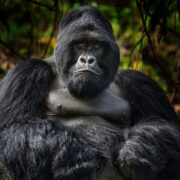
The moment a traveler stands quietly in the misty forests of the Virunga Mountains and watches a silverback gorilla protect his family feels like a dream. A powerful male sits peacefully among ancient trees. Young gorillas play nearby. Mothers carefully carry their infants through thick vegetation.
But this experience exists because thousands of people have worked for decades to protect these animals.
Rwanda’s conservation success did not happen overnight. It required rebuilding ecosystems, strengthening wildlife protection, improving tourism management, creating opportunities for local communities, and developing international partnerships focused on saving one of the world’s most endangered animals.
Today, Rwanda is recognized globally for its innovative approach to conservation.
The country has shown that protecting wildlife is not only about saving animals—it is about creating a future where nature and people can thrive together.
Organizations such as the International Gorilla Conservation Programme, the Dian Fossey Gorilla Fund, and the UNESCO World Heritage Centre have contributed valuable research, protection programs, and conservation awareness.
For travelers visiting Rwanda with Chimps and Gorillas, the journey becomes more than a wildlife adventure. It becomes an opportunity to understand how conservation works, support local communities, and experience one of Africa’s greatest wildlife recovery stories.
From Challenges to Conservation Leadership
Rwanda’s conservation journey is remarkable because it demonstrates how a nation can rebuild its relationship with nature.
Like many African countries, Rwanda experienced periods where wildlife and habitats faced serious pressure. Mountain gorillas suffered from habitat loss, illegal activities, and human expansion around protected areas.
The survival of these animals depended on urgent conservation action.
Volcanoes National Park became the center of Rwanda’s wildlife protection efforts. Located within the Virunga Mountains, this remarkable landscape provides a home for endangered mountain gorillas and protects one of the most important ecosystems in East Africa.
The forests of Volcanoes National Park are more than just a habitat.
They are a living ecosystem filled with bamboo forests, volcanic landscapes, rare plants, birds, golden monkeys, and countless species that depend on conservation.
Protecting this environment required a new approach—one that connected wildlife protection with human development.
Rwanda’s conservation model focused on three important principles:
- Protecting endangered species
- Supporting communities around protected areas
- Creating sustainable tourism opportunities
This approach helped transform gorilla conservation from a challenge into one of Africa’s greatest success stories.
The Remarkable Recovery of Mountain Gorillas
The mountain gorilla is one of the most recognized conservation symbols in the world.
These intelligent and gentle giants were once on the edge of extinction.
Their survival depended on long-term dedication from researchers, rangers, conservation organizations, and local communities.
Today, Rwanda’s gorilla population represents hope.
The country’s carefully managed gorilla trekking program ensures visitors can experience these incredible animals while maintaining strict conservation standards.
Every day before tourists enter Volcanoes National Park, conservation teams are already working.
Rangers patrol the forest.
Researchers monitor gorilla health.
Trackers locate gorilla families.
Veterinary specialists observe any signs of illness.
Community conservation teams continue building relationships between people and wildlife.
The work never stops.
A gorilla trekking experience may last only one hour, but it represents decades of protection.
Imagine entering the rainforest early in the morning.
Mist covers the volcanic mountains.
The forest feels quiet except for birds calling in the distance.
Your guide carefully follows the trail created by gorilla movements.
You notice broken bamboo stems, fresh footprints, and signs that the family passed nearby.
A massive silverback appears.
He watches calmly.
There is no fear or aggression.
Only curiosity and awareness.
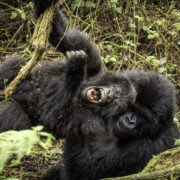
Nearby, young gorillas chase each other through vegetation.
A mother gently holds her baby.
Another gorilla rests peacefully beneath the trees.
The experience creates an emotional connection that many travelers describe as life-changing.
Visitors often leave Rwanda with a deeper understanding of why conservation matters.
They realize that these animals are not simply attractions.
They are a precious part of the planet’s natural heritage.
Community Conservation: The Human Side of Rwanda’s Success
One of the most important lessons from Rwanda’s conservation journey is that wildlife protection succeeds when communities benefit.
For many years, conservation experts recognized that protecting forests and animals required involving people who live near protected areas.
Communities surrounding Volcanoes National Park play an essential role in conservation.
Tourism has created opportunities through:
- Employment in lodges
- Guiding services
- Cultural experiences
- Handicraft businesses
- Agriculture supply chains
- Conservation education
When local people benefit from wildlife tourism, conservation becomes a shared responsibility.
A gorilla family living safely in the forest provides long-term value through tourism, employment, and community development.
This creates a powerful reason to protect natural habitats.
The relationship between people and wildlife changes.
Instead of seeing conservation as a restriction, communities become active partners.
The Legacy of Dian Fossey and Gorilla Research
No discussion of Rwanda’s conservation story is complete without recognizing the contribution of researchers who dedicated their lives to understanding mountain gorillas.
Dian Fossey became one of the most influential figures in gorilla conservation history.
Her research in the Virunga Mountains changed global understanding of gorilla behavior and highlighted the importance of protecting these endangered animals.
Her work helped inspire generations of conservationists and continues through organizations dedicated to gorilla protection.
Today, scientific research remains central to Rwanda’s conservation success.
Researchers study:
- Gorilla behavior
- Population health
- Habitat protection
- Disease prevention
- Human-wildlife relationships
This scientific knowledge helps ensure that tourism and conservation work together responsibly.
Why Rwanda’s Conservation Story Matters to International Travelers
Travelers increasingly want experiences that create positive impacts.
Modern safari tourism is no longer only about seeing animals.
It is about understanding places, supporting conservation, and respecting communities.
A gorilla trekking journey in Rwanda offers exactly this connection.
Visitors do not simply enter a forest.
They witness the result of years of protection.
They support local economies.</p>
They contribute to keeping endangered species alive.
A responsible journey creates memories while helping protect the future.
For travelers planning a gorilla or chimpanzee-focused African adventure, Rwanda offers one of the world’s most meaningful wildlife experiences.
Chimps and Gorillas designs conservation-focused safaris that combine wildlife experiences, cultural connections, expert guides, and responsible travel practices.
Rwanda Conservation Success Story: Conservation Strategies, Community Partnerships and Wildlife Protection
How Rwanda Built a Successful Conservation Model
The Rwanda Conservation Success Story is based on a simple but powerful idea: wildlife protection works best when nature, people, and tourism support each other.
Rwanda’s conservation model has become recognized internationally because it combines strict wildlife protection with community involvement and sustainable tourism.
Unlike traditional approaches where protected areas were sometimes separated from surrounding communities, Rwanda developed a system where local people become active participants in conservation.
This approach has helped protect mountain gorillas while also improving livelihoods around national parks.
The success of Rwanda’s conservation efforts comes from several important strategies:
- Strong protection of national parks
- Scientific wildlife monitoring
- Community conservation programs
- Responsible tourism management
- International partnerships
- Environmental education
Together, these efforts have created a safer future for Rwanda’s wildlife.
Volcanoes National Park: The Heart of Rwanda Gorilla Conservation
Volcanoes National Park is the center of Rwanda’s mountain gorilla conservation achievements.
Located in the Virunga Mountains, the park contains a remarkable landscape of volcanic peaks, bamboo forests, and high-altitude ecosystems.
This protected area provides a home for endangered mountain gorillas and other unique species, including the golden monkey.
For international travelers, Volcanoes National Park represents one of Africa’s most emotional wildlife destinations.
However, the beauty visitors see today exists because of continuous conservation work.
Every morning before gorilla trekkers arrive, conservation teams are already active.
Trackers enter the forest to locate gorilla families.
Veterinary specialists monitor gorilla health.
Researchers collect important information about behavior and population changes.
Rangers patrol areas where wildlife may face threats.
These activities ensure that tourism remains sustainable and does not negatively affect the animals.
The gorilla trekking experience is carefully managed.
Visitors are limited to small groups.
Time spent with gorillas is restricted.
Guides teach travelers how to behave responsibly around wildlife.
These rules protect both visitors and gorillas.
The Emotional Experience of Meeting Rwanda’s Gorillas
Many travelers describe gorilla trekking in Rwanda as one of the most meaningful experiences of their lives.
The journey begins before sunrise.
The air is cool and fresh as you prepare for your trek.
As you approach the forest, the towering volcanoes create an unforgettable background.
Your guide explains the gorilla family you will visit and shares stories about their personalities.
Some gorillas are known for their playful young ones.
Others are recognized for powerful silverbacks who protect their families.
The trek begins.
You walk through dense vegetation where every sound feels important.
Leaves move above you.
Birds call from hidden branches.
The forest feels alive.
After hours of searching, your trackers quietly signal that the gorillas are nearby.
Suddenly, the trees open.
A large silverback sits peacefully among the vegetation.
His calm expression shows confidence and strength.
Nearby, young gorillas climb, roll, and play.
A mother carefully watches her infant.
The family continues its natural routine while visitors observe respectfully.
This moment creates a deep emotional connection.
Travelers understand that they are not simply viewing wildlife.
They are witnessing a conservation achievement.
The survival of these gorillas represents decades of protection and cooperation.
Golden Monkey Conservation: Protecting Rwanda’s Unique Primates
Although mountain gorillas receive worldwide attention, Rwanda’s conservation efforts also protect other important species.
The golden monkey is one of Rwanda’s most fascinating primates.
These beautiful animals live in the bamboo forests of the Virunga Mountains and are known for their energetic behavior and striking appearance.
Golden monkey trekking provides another opportunity for visitors to experience Rwanda’s biodiversity.
Unlike gorillas, golden monkeys are highly active.
They jump between bamboo stems, move quickly through the forest, and communicate constantly with each other.
Watching them in their natural environment is a reminder that conservation protects entire ecosystems—not just individual species.
Protecting golden monkeys requires:
- Forest habitat preservation
- Population monitoring
- Responsible tourism
- Community cooperation
By protecting their environment, Rwanda also protects countless smaller species that depend on the same ecosystem.
Community Partnerships Driving Conservation Success
One of the strongest reasons behind Rwanda’s conservation achievements is community involvement.
Wildlife protection cannot succeed if communities living near national parks do not benefit from conservation.
Rwanda recognized this and developed programs that connect tourism revenue with local development.
Communities around Volcanoes National Park benefit through:
- Employment opportunities
- Tourism-related businesses
- Infrastructure development
- Conservation education
- Community projects
A local person who works as a guide, lodge employee, driver, farmer, or craft producer becomes connected to the success of conservation.
This creates a positive cycle.
Protected wildlife attracts visitors.
Visitors support tourism businesses.
Tourism creates income.
Communities gain incentives to protect nature.
Nature remains protected for future generations.
This relationship is one of the most important parts of the Rwanda Conservation Success Story.
The Role of Tourism in Protecting Wildlife
Responsible tourism has become one of Rwanda’s strongest conservation tools.
Gorilla trekking generates important funding that supports national park management, conservation programs, and community projects.
When travelers visit Rwanda responsibly, they contribute to protecting endangered species.
A gorilla permit is not simply an entry ticket.
It represents support for:
- Wildlife protection
- Ranger activities
- Conservation research
- Habitat preservation
- Community development
For international visitors, this creates a deeper travel experience.
Instead of simply taking photographs, travelers become part of a conservation journey.
Every trek contributes to the continued survival of Rwanda’s wildlife.
Anti-Poaching and Wildlife Protection Programs
Protecting endangered species requires constant vigilance.
Rwanda has developed strong systems to prevent illegal activities within protected areas.
Conservation teams work to:
- Monitor wildlife populations
- Remove illegal traps
- Patrol protected areas
- Prevent wildlife crime
- Collect conservation data
Although gorilla poaching is no longer the major threat it once was, continued protection remains essential.
Disease transmission, habitat pressure, and human-wildlife conflict continue to require attention.
Rangers and conservation specialists remain dedicated to protecting these animals.
Their work often happens quietly.
Visitors may never see the challenges faced behind the scenes.
But every safe gorilla encounter depends on their commitment.
Conservation Research and Scientific Monitoring
Science plays a major role in Rwanda’s wildlife protection success.
Researchers study gorilla populations to understand:
- Family structures
- Reproductive success
- Health conditions
- Social behavior
- Habitat needs
This information helps conservation teams make better decisions.
Mountain gorillas are highly social animals with complex relationships.
Researchers learn from their behavior and use this knowledge to improve protection strategies.
For example, monitoring helps identify changes in population health and detect possible threats early.
Scientific research ensures conservation decisions are based on evidence rather than assumptions.
Rwanda’s Forest Protection Efforts
Gorilla conservation cannot succeed without protecting forests.
The survival of mountain gorillas depends on healthy ecosystems.
Rwanda has invested in protecting natural habitats through:
- Forest restoration programs
- Environmental awareness
- Protected area management
- Sustainable land practices
Forests provide more than wildlife habitat.
They support:
- Clean water systems
- Climate regulation
- Local livelihoods
- Biodiversity protection
Protecting forests therefore benefits both wildlife and people.
Planning a Conservation Safari With Chimps and Gorillas
A Rwanda conservation safari with Chimps and Gorillas allows travelers to experience this success story personally.
Our carefully designed journeys combine:
- Gorilla trekking
- Wildlife experiences
- Conservation education
- Cultural interactions
- Comfortable accommodation
- Expert local guides
Travelers discover not only Rwanda’s wildlife but also the people and efforts protecting it.
A safari becomes an opportunity to learn, explore, and contribute.
Rwanda Conservation Success Story: Complete Gorilla Conservation Safari Itinerary and Travel Guide
Experiencing Rwanda’s Conservation Success Through a Wildlife Safari
For international travelers, the best way to understand the Rwanda Conservation Success Story is to experience it firsthand.
A conservation safari in Rwanda is not only about seeing wildlife. It is about discovering the relationship between people, nature, and the protection of endangered species.
From the misty forests of Volcanoes National Park to the wetlands of Akagera National Park and the ancient landscapes of Nyungwe Forest, Rwanda offers travelers an opportunity to witness how conservation has transformed ecosystems and protected remarkable wildlife.
A journey with Chimps and Gorillas combines wildlife encounters with conservation education, cultural experiences, and responsible travel practices.
This carefully designed itinerary allows visitors to experience Rwanda’s greatest conservation achievements, including mountain gorilla protection, golden monkey conservation, rainforest preservation, and community-based tourism.
10-Day Rwanda Conservation Success Safari Itinerary
Day 1: Arrival in Kigali – Discover Rwanda’s Conservation Journey
Your Rwanda conservation adventure begins when you arrive at Kigali International Airport.
Upon arrival, the Chimps and Gorillas team welcomes you and transfers you to your hotel.
Kigali is one of Africa’s cleanest and most organized cities, and it provides an excellent introduction to Rwanda’s transformation.
Before beginning your wildlife journey, you may explore some of Kigali’s important sites, including:
- Kigali Genocide Memorial
- Local markets
- Art galleries
- Cultural centers
These experiences provide insight into Rwanda’s history, resilience, and development.
During your safari briefing, your guide introduces Rwanda’s conservation achievements and explains how tourism supports wildlife protection.
You learn how every gorilla trek, national park visit, and responsible travel choice contributes to conservation.
Overnight: Kigali
Activities:
- Airport transfer
- Kigali city experience
- Safari preparation
- Conservation introduction
Day 2: Kigali to Volcanoes National Park – Entering Gorilla Country
After breakfast, your journey continues north toward Volcanoes National Park.
The drive is one of Rwanda’s most beautiful routes.
You travel through rolling hills, farming communities, and green landscapes that have earned Rwanda the nickname “Land of a Thousand Hills.”
As you approach the Virunga Mountains, the landscape becomes increasingly dramatic.
Volcanic peaks rise above the clouds.
Dense forests cover the mountainsides.
This is the home of Rwanda’s famous mountain gorillas.
After arrival, enjoy an introduction to the region’s conservation story.
Your guide explains how Volcanoes National Park became a global symbol of wildlife protection.
You learn about:
- Gorilla monitoring
- Ranger protection
- Community conservation
- Responsible trekking practices
The evening is spent preparing for your gorilla trekking experience.
Overnight: Volcanoes National Park area
Activities:
- Scenic mountain drive
- Cultural interaction
- Conservation briefing
Day 3: Gorilla Trekking – Witnessing Rwanda’s Conservation Achievement
Today is the highlight of your Rwanda conservation safari.
Early in the morning, you travel to the park headquarters for a gorilla trekking briefing.
Rangers explain the rules that protect both visitors and gorillas:
- Maintain respectful distance
- Avoid loud sounds
- Follow ranger instructions
- Do not disturb natural behavior
The trek begins through the ancient forests of the Virunga Mountains.
The journey itself is part of the adventure.
The forest is filled with life.
Colorful birds move through the trees.
Bamboo forests create a peaceful atmosphere.
The volcanic landscape creates a dramatic backdrop.
Your trackers carefully follow signs left by the gorilla family.
Broken branches.
Fresh footprints.
Movement in the vegetation.
Then comes the unforgettable moment.
Your guide quietly signals that the gorillas are nearby.
You enter a clearing.
A powerful silverback sits calmly among the plants.
His presence is impressive.
He watches the group with quiet confidence.
Nearby, young gorillas play and explore.
A mother protects her infant.
Family members communicate naturally.
For one unforgettable hour, you witness the private world of mountain gorillas.
Many travelers describe this as a deeply emotional experience because it represents the success of conservation.
The gorillas are alive today because people chose protection over destruction.
Your visit directly supports this ongoing effort.
Overnight: Volcanoes National Park
Activities:
- Gorilla trekking
- Wildlife photography
- Conservation learning
Day 4: Golden Monkey Trekking and Community Conservation Experience
After breakfast, you explore another conservation success story—the golden monkeys of Rwanda.
These rare primates live within the bamboo forests of the Virunga Mountains.
Golden monkey trekking offers a completely different experience from gorilla trekking.
While gorillas are calm and powerful, golden monkeys are energetic and playful.
They move quickly through bamboo forests, jumping between branches and communicating with constant activity.
Watching them reminds travelers that conservation protects entire ecosystems, not only famous species.
After the trek, visit a nearby community project.
Community experiences may include:
- Traditional crafts
- Local farming
- Cultural performances
- Conservation education
These activities demonstrate how tourism creates benefits beyond wildlife protection.
Overnight: Volcanoes National Park
Activities:
- Golden monkey tracking
- Community visit
- Cultural experience
Day 5: Volcanoes National Park to Nyungwe Forest National Park – Protecting Rwanda’s Rainforests
Today you travel south toward Nyungwe Forest National Park.
The journey reveals Rwanda’s incredible landscape diversity.
You pass:
- Mountain scenery
- Tea plantations
- Rural communities
- Beautiful countryside
Nyungwe is one of Africa’s oldest rainforests and one of Rwanda’s most important conservation areas.
The forest protects chimpanzees, monkeys, birds, and thousands of plant species.
Unlike Volcanoes National Park, which is famous for gorillas, Nyungwe represents rainforest conservation on a much larger ecosystem scale.
After arrival, enjoy a nature walk or relaxation at your lodge.
Overnight: Nyungwe Forest
Activities:
- Scenic transfer
- Forest introduction
- Nature experience
Day 6: Chimpanzee Tracking in Nyungwe Forest
Today you experience Rwanda’s chimpanzee conservation efforts.
Early morning, you enter Nyungwe Forest with experienced guides.
Chimpanzee tracking begins with listening.
The forest communicates through sounds.
Bird calls echo above.
Leaves move in the canopy.
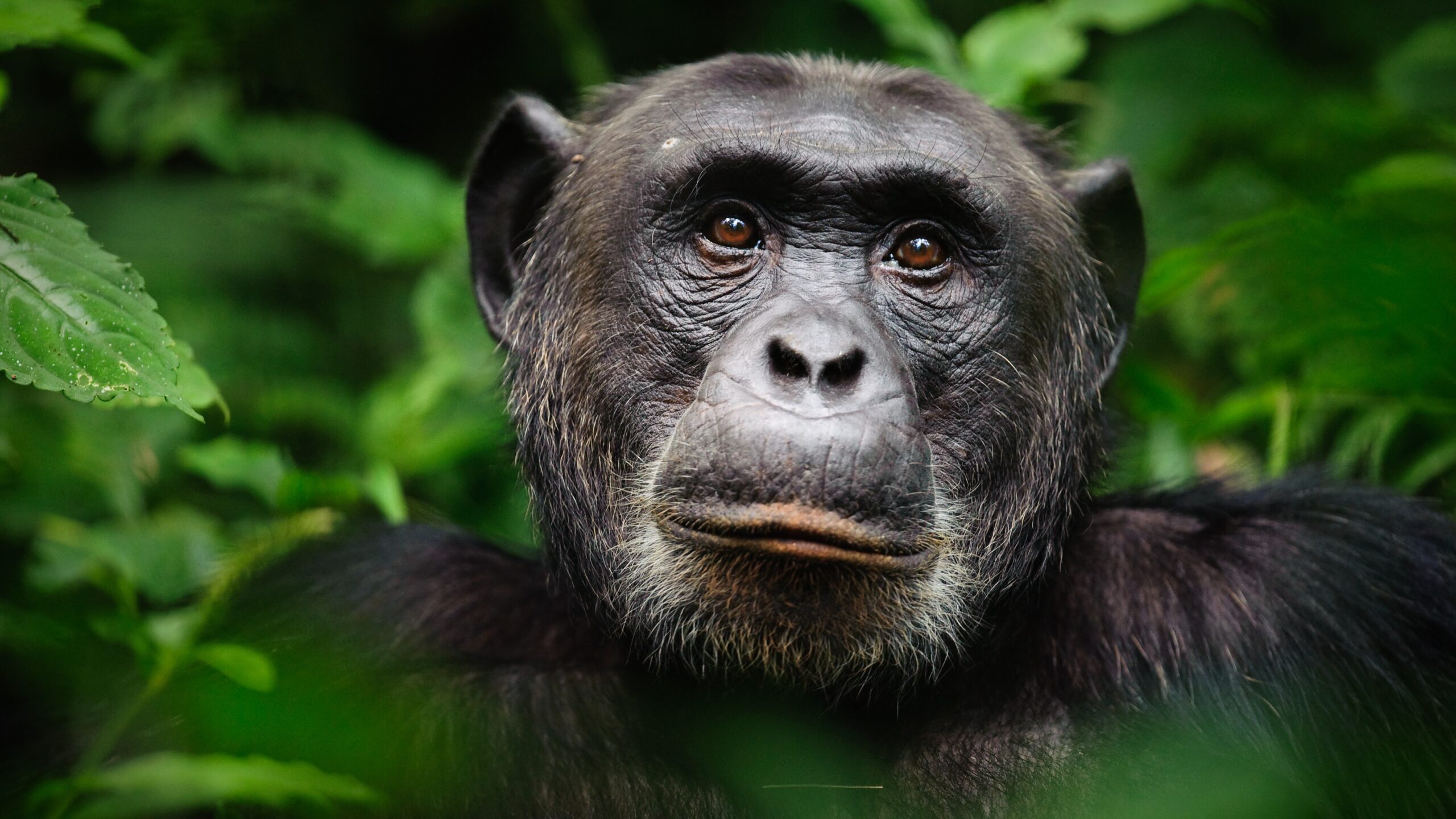
Then chimpanzee calls break through the quiet morning.
The search begins.
Soon, you discover a fascinating social world.
Chimpanzees move through the trees with incredible agility.
Young chimpanzees play together.
Adults communicate through gestures and calls.
Mothers carefully guide their young.
The experience creates a powerful connection between humans and wildlife.
Chimpanzees share many characteristics with humans, making encounters with them especially meaningful.
Protecting chimpanzees means protecting forests, biodiversity, and the future of natural ecosystems.
Overnight: Nyungwe Forest
Activities:
- Chimpanzee tracking
- Forest exploration
- Wildlife photography
Day 7: Canopy Walk and Forest Conservation Experience
After breakfast, experience Nyungwe’s famous canopy walk.
Suspended above the forest floor, the walkway provides breathtaking views of the rainforest.
From above, travelers see the importance of protecting forests.
The canopy supports countless species.
Birds fly between trees.
Monkeys move through branches.
The forest stretches endlessly into the distance.
This experience highlights why forest conservation is essential.
Healthy forests protect wildlife, regulate climate, and support communities.
Later, enjoy additional nature activities or relaxation.
Overnight: Nyungwe Forest
Activities:
- Canopy walk
- Birdwatching
- Forest conservation learning
Day 8: Nyungwe to Akagera National Park – Rwanda’s Wildlife Restoration Story
Today you travel east toward Akagera National Park.
Akagera represents another incredible chapter in Rwanda’s conservation journey.
The park has undergone a remarkable transformation through improved management, wildlife restoration, and conservation partnerships.
Today, visitors can experience classic African safari landscapes filled with:
- Elephants
- Lions
- Giraffes
- Buffaloes
- Zebras
- Antelopes
- Birds
The return of important species demonstrates what effective conservation can achieve.
Overnight: Akagera National Park
Activities:
- Scenic drive
- Wildlife viewing
- Conservation discussion
Day 9: Akagera Safari and Wildlife Restoration Experience
Your final wildlife day begins with a morning game drive.
As the sun rises over the savannah, the park comes alive.
Elephants move across open grasslands.
Giraffes feed among trees.
Buffalo herds gather together.
Birds fill the skies.
Predators begin their daily movements.
Akagera shows travelers that conservation success is possible when ecosystems receive protection and careful management.
A boat safari may also be included on Lake Ihema.
The experience provides views of:
- Hippos
- Crocodiles
- Water birds
- Wildlife along the shoreline
Overnight: Akagera
Activities:
- Game drive
- Boat safari
- Wildlife photography
Day 10: Return to Kigali and Departure
After breakfast, return to Kigali for your international departure.
Depending on your flight schedule, you may have time for:
- Shopping
- Cultural visits
- Local cuisine experiences
As you leave Rwanda, you carry memories of:
- Mountain gorillas in misty forests
- Chimpanzees in ancient rainforests
- Golden monkeys in bamboo forests
- Wildlife restoration in Akagera
- Community conservation experiences
Your journey has supported conservation.
You have become part of Rwanda’s continuing success story.
Practical Travel Information for Rwanda Conservation Safaris
Best Time to Visit Rwanda
Rwanda is a year-round destination, but some periods offer ideal conditions.
June to September
Advantages:
- Lower rainfall
- Easier gorilla trekking
- Better hiking conditions
- Excellent wildlife viewing
December to February
Advantages:
- Comfortable weather
- Good trekking conditions
- Popular travel period
March to May and October to November
These are wetter months, but they offer:
- Beautiful green landscapes
- Fewer visitors
- Excellent photography opportunities
Gorilla Trekking Permit Information
Gorilla trekking permits are required before visiting mountain gorillas.
Permit fees contribute toward:
- Conservation programs
- Park management
- Ranger operations
- Community support
Because permits are limited, international travelers should book early.
Estimated Rwanda Safari Costs
The cost of a Rwanda conservation safari depends on:
- Number of days
- Gorilla permit fees
- Accommodation category
- Transport type
- Activities included
Typical safari categories:
Budget Conservation Safari
Suitable for travelers looking for affordable options.
Includes:
- Comfortable accommodation
- Shared or simple transport options
- Essential wildlife activities
Mid-Range Safari
Includes:
- Quality lodges
- Private transport
- More flexible experiences
Luxury Conservation Safari
Includes:
- Premium lodges
- Private guides
- Exclusive experiences
What to Pack for Rwanda
Recommended items:
- Hiking boots
- Waterproof jacket
- Long trousers
- Light layers
- Camera
- Binoculars
- Sunscreen
- Insect repellent
- Backpack
- Reusable water bottle
Why Choose Chimps and Gorillas?
A conservation safari should create more than memories.
It should create understanding.
At Chimps and Gorillas, our Rwanda journeys connect travelers with wildlife protection, local communities, and conservation success stories.
We design experiences that combine:
- Gorilla trekking
- Chimpanzee tracking
- Wildlife safaris
- Cultural experiences
- Expert local guides
Rwanda Conservation Success Story: Reviews, Frequently Asked Questions and How Your Safari Supports Conservation
Why Rwanda’s Conservation Journey Inspires the World
The Rwanda Conservation Success Story is more than a story about protecting mountain gorillas. It is a story about determination, cooperation, and the belief that wildlife and communities can thrive together.
Rwanda has shown the world that conservation success requires more than protecting animals inside national parks. It requires building strong relationships between governments, conservation organizations, local communities, researchers, tourism operators, and travelers.
Every gorilla trekking experience, chimpanzee encounter, and wildlife safari contributes to a larger conservation mission.
When travelers walk through Volcanoes National Park searching for gorillas, they are experiencing the results of decades of protection.
As visitors track chimpanzees through Nyungwe Forest, they are supporting rainforest conservation.
As they explore Akagera National Park, they witness how wildlife restoration can bring ecosystems back to life.
Rwanda’s conservation achievements remind the world that endangered species can recover when people choose protection, responsibility, and cooperation.
Traveler Reviews: Rwanda Conservation Experiences With Chimps and Gorillas
★★★★★
“The gorilla trekking experience in Rwanda was the most emotional wildlife encounter we have ever had. Seeing a silverback with his family in the misty forest was unforgettable. Our guide explained the conservation story behind the gorillas, which made the experience even more meaningful.”
— Emily and Daniel, United States
★★★★★
“Chimps and Gorillas organized an incredible Rwanda safari. We loved that the trip combined gorillas, chimpanzees, communities, and conservation education. It was more than a holiday—it was a learning experience.”
— Sophie, France
★★★★★
“The attention to detail was excellent. From Kigali to Volcanoes National Park and Nyungwe Forest, every part of the journey showed how Rwanda protects its wildlife. The guides were knowledgeable and passionate.”
— Mark, United Kingdom
★★★★★
“Meeting mountain gorillas was a dream come true. Understanding how much effort goes into protecting them made the encounter deeply emotional. We are grateful for the experience.”
— Anna and Peter, Australia
Frequently Asked Questions About Rwanda Conservation Success Story
Why is Rwanda considered a conservation success story?
Rwanda is considered a conservation success because it has successfully protected endangered mountain gorillas, restored wildlife populations, improved national park management, and created partnerships between communities and conservation programs.
The country demonstrates how responsible tourism and conservation planning can protect nature while supporting people.
How has Rwanda protected mountain gorillas?
Rwanda protects mountain gorillas through:
- Ranger patrols
- Scientific research
- Strict trekking regulations
- Veterinary monitoring
- Community conservation programs
- Sustainable tourism
These efforts have helped create a safer environment for gorilla families living in Volcanoes National Park.
How does gorilla tourism support conservation in Rwanda?
Gorilla tourism provides important funding for conservation activities.
Revenue from gorilla permits supports:
- National park management
- Ranger programs
- Wildlife monitoring
- Community development projects
- Conservation research
By visiting Rwanda responsibly, travelers directly contribute to protecting endangered species.
Is gorilla trekking in Rwanda safe?
Yes. Gorilla trekking in Rwanda is considered safe when travelers follow park guidelines.
Visitors are accompanied by trained guides and rangers who provide instructions throughout the experience.
Safety measures include:
- Maintaining distance from gorillas
- Following ranger guidance
- Avoiding sudden movements
- Respecting wildlife behavior
What is the best time for a Rwanda gorilla safari?
Rwanda can be visited throughout the year.
The most popular trekking periods are:
June to September
- Drier weather
- Easier hiking conditions
- Excellent photography opportunities
December to February
- Comfortable temperatures
- Good trekking conditions
The rainy seasons can also be rewarding because forests become greener and visitor numbers may be lower.</span>
How much does a Rwanda conservation safari cost?
The cost depends on several factors:
- Gorilla permit fees
- Number of safari days
- Accommodation type
- Transportation
- Additional activities
A budget safari provides essential experiences, while mid-range and luxury options offer upgraded accommodation and personalized services.
Travelers should plan early because gorilla permits are limited.
Can I combine gorilla trekking with chimpanzee tracking in Rwanda?
Yes.
A Rwanda conservation safari can combine:
- Gorilla trekking in Volcanoes National Park
- Chimpanzee tracking in Nyungwe Forest
- Golden monkey trekking
- Wildlife safaris in Akagera National Park
This creates a complete conservation-focused journey.
What makes Rwanda different from other African safari destinations?
Rwanda offers a unique combination of:
- Mountain gorilla experiences
- Rainforest adventures
- Excellent infrastructure
- Strong conservation programs
- Cultural experiences
- Easy connections between destinations
The country provides an opportunity to experience wildlife while understanding the conservation story behind it.
How Chimps and Gorillas Supports Responsible Travel
At Chimps and Gorillas, every safari is designed around responsible tourism principles.
Our goal is to connect travelers with Rwanda’s wildlife while supporting conservation and local communities.
Our Rwanda experiences include:
Gorilla Conservation Safaris
Travelers experience the incredible world of mountain gorillas while learning about the protection efforts that have helped these animals survive.
Chimpanzee Conservation Experiences
Visitors explore rainforest ecosystems and discover the importance of protecting chimpanzees and their habitats.
Community-Based Tourism
We encourage travelers to interact respectfully with communities and understand how tourism creates opportunities.
Expert Local Guides
Our guides share knowledge about wildlife, conservation history, culture, and ecosystems.
A great safari is not only about what you see.
It is about what you learn and the positive impact your journey creates.
Final Conclusion: Rwanda’s Conservation Story Is a Story of Hope
The <strong>Rwanda Conservation Success Story proves that protecting endangered wildlife is possible when people work together toward a common goal.
The mountain gorillas of Volcanoes National Park are not simply a tourism attraction. They represent years of dedication from conservationists, rangers, researchers, communities, and responsible travelers.
The chimpanzees of Nyungwe Forest represent the importance of protecting ancient ecosystems.
The restored wildlife of Akagera National Park demonstrates that nature can recover when given proper protection.
Every traveler who chooses a responsible safari becomes part of this ongoing story.
A visit to Rwanda creates unforgettable memories, but it also creates a positive impact.
By traveling with Chimps and Gorillas, you experience Rwanda’s extraordinary wildlife while supporting conservation-focused tourism that protects nature and benefits communities.
The misty mountains, ancient forests, and incredible wildlife of Rwanda are waiting to be discovered.
Your journey can become part of the solution.
Plan Your Safari today and experience Rwanda’s incredible conservation achievements.
Request Itinerary for a personalized Rwanda gorilla and wildlife adventure.
Chimps and Gorillas
Website: https://www.chimpsandgorillas.com
Email: info@chimpsandgorillas.com
Request Quote
Popular Trips
Rwanda
- 1 Day Rwanda Gorilla Trek
- 2 Day Akagera Safari from Kigali
- 2 Day Gorilla Trek Rwanda
- 3 Day Akagera National Park Safari
- 3 Day Gorilla Trekking Rwanda
- 4 Day Rwanda Gorilla Safari
- 5 Day Rwanda Gorilla and Golden Monkey
- 6 Day Rwanda Primates Safari
- 7 Day Rwanda Wildlife and Gorilla Safari
- 8 Day Classic Rwanda Safari Tour
Uganda
- 10 Day Uganda Safari Tour
- 12 Day Uganda Gorilla and Wildlife Safari
- 3 Day Gorilla Trekking Uganda
- 3 Day Gorilla Trekking Uganda from Kigali
- 3 Day Murchison Falls Safari
- 5 Day Gorilla and Chimpanzee Safari Uganda
- 5 Days Gorilla and wildlife safari
- 6 Days Gorilla, Chimps and Wildlife safari
- 7 Day Uganda Wildlife Safari
- 8 Days Uganda Safari
Recent Posts
6-Day Lifestyle Safari Itinerary
Common Safari Mistakes to Avoid in Uganda