
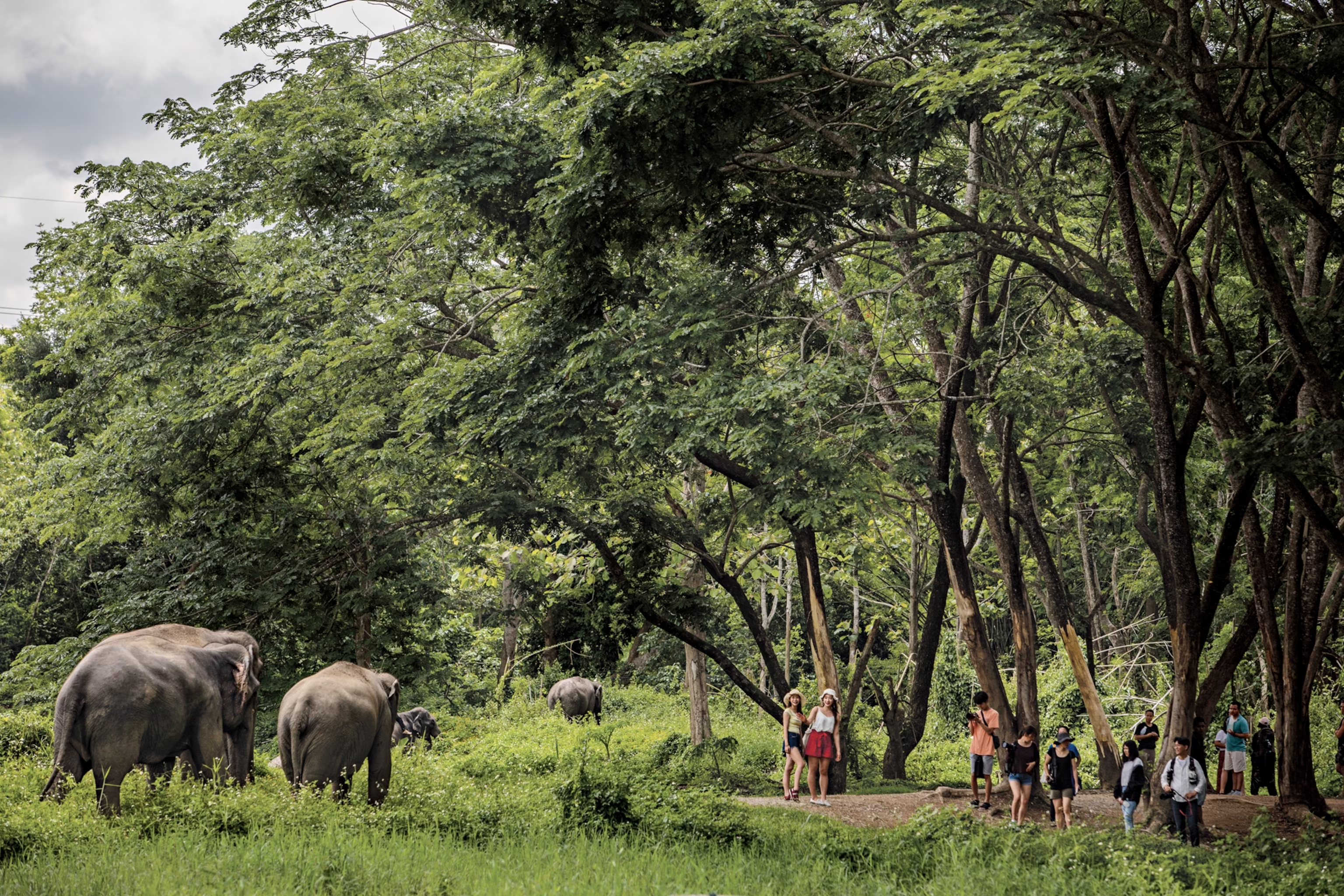
Responsible Wildlife Tourism: How to Minimize Your Impact
Responsible Wildlife Tourism: How to Minimize Your Impact
Wildlife tourism offers the extraordinary opportunity to witness Africa’s majestic creatures up close, from mountain gorillas in dense rainforests to chimpanzees swinging through the canopy. However, this privilege comes with a profound responsibility. Every visitor to the habitats of endangered species like gorillas and chimpanzees plays a direct role in either supporting conservation or unintentionally harming fragile ecosystems. Practicing responsible wildlife tourism ensures that these animals continue to thrive, habitats are preserved, and local communities benefit sustainably.
Why Responsible Tourism Matters
Gorillas and chimpanzees are highly sensitive to human presence. Because they share a significant portion of human DNA, they are vulnerable to human diseases, including respiratory infections that can be fatal. In addition, overcrowding, noise, and careless behavior can stress the animals, disrupt feeding and breeding routines, and even affect their long-term survival. Responsible tourism, therefore, is not just a courtesy—it is essential for the health and conservation of these species.
Moreover, responsible tourism contributes to the broader ecosystem. Protected areas such as Bwindi Impenetrable National Park, Volcanoes National Park, and Virunga National Park rely heavily on tourism revenue to fund anti-poaching patrols, habitat restoration, and community development programs. Each visitor who follows guidelines indirectly supports conservation initiatives, ensuring a sustainable future for both wildlife and local communities.
Key Principles of Responsible Wildlife Tourism
1. Maintain Safe Distances
When observing gorillas or chimpanzees, always follow the guidance of trained trackers and guides. Maintain the recommended distance—typically at least seven meters—from the animals. Avoid direct eye contact with dominant silverbacks, as this can be interpreted as a threat. Keeping distance minimizes stress and protects both visitors and wildlife.
2. Minimize Noise and Sudden Movements
Wild primates are easily startled by loud noises or quick movements. Speak softly, move deliberately, and avoid sudden gestures. Silence and patience allow for natural behaviors to unfold, giving visitors an authentic wildlife experience without disrupting the animals’ routines.
3. Avoid Flash Photography
While capturing memories is natural, flash photography can disturb wildlife, trigger stress responses, and even harm sensitive eyes. Use cameras without flash or rely on natural light. Photography should enhance the experience, not interfere with the animals’ behavior.
4. Stay on Designated Trails
Trails are carefully planned to minimize environmental impact. Venturing off designated paths can damage vegetation, disrupt other species, and contribute to soil erosion. Respecting trail boundaries preserves the integrity of the ecosystem and ensures that wildlife can continue to thrive.
5. Follow Hygiene and Health Guidelines
Because gorillas and chimpanzees are susceptible to human illnesses, many parks require visitors to undergo health checks before trekking. If you are unwell, postponing your trek is necessary. Use hand sanitizers, avoid coughing or sneezing near wildlife, and ensure vaccinations are up to date. These measures protect the animals and their fragile habitats.
6. Support Local Communities
Responsible tourism goes beyond direct wildlife interaction. Many parks operate community programs that benefit locals through education, employment, and infrastructure development. Choosing local guides, staying in community-run lodges, and purchasing locally-made products ensures that tourism benefits extend beyond the forest.
7. Leave No Trace
Do not litter, remove plants, or take any natural items from the park. Every piece of trash left behind can have negative consequences on the ecosystem. Responsible travelers leave areas as they found them, preserving the environment for both wildlife and future visitors.
The Long-Term Benefits of Responsible Tourism
By following responsible practices, tourists contribute to the survival of endangered species, the preservation of critical habitats, and the empowerment of local communities. These efforts help maintain biodiversity, ensure healthy ecosystems, and foster sustainable travel practices that benefit generations of both humans and wildlife.
Responsible wildlife tourism transforms the visitor experience from a simple adventure into a meaningful contribution to conservation. It allows travelers to witness nature at its finest, connect deeply with extraordinary animals, and create memories that are not only personal but also protective of the natural world.
Ultimately, when tourism is conducted responsibly, every trekker becomes part of a larger mission—a mission to preserve the beauty, intelligence, and diversity of our planet’s most extraordinary creatures.
Request Quote
Popular Trips
Rwanda
- 1 Day Rwanda Gorilla Trek
- 2 Day Akagera Safari from Kigali
- 2 Day Gorilla Trek Rwanda
- 3 Day Akagera National Park Safari
- 3 Day Gorilla Trekking Rwanda
- 4 Day Rwanda Gorilla Safari
- 5 Day Rwanda Gorilla and Golden Monkey
- 6 Day Rwanda Primates Safari
- 7 Day Rwanda Wildlife and Gorilla Safari
- 8 Day Classic Rwanda Safari Tour
Uganda
- 10 Day Uganda Safari Tour
- 12 Day Uganda Gorilla and Wildlife Safari
- 3 Day Gorilla Trekking Uganda
- 3 Day Gorilla Trekking Uganda from Kigali
- 3 Day Murchison Falls Safari
- 5 Day Gorilla and Chimpanzee Safari Uganda
- 5 Days Gorilla and wildlife safari
- 6 Days Gorilla, Chimps and Wildlife safari
- 7 Day Uganda Wildlife Safari
- 8 Days Uganda Safari
Recent Posts

6-Day Lifestyle Safari Itinerary

Common Safari Mistakes to Avoid in Uganda